The Fastest WMS to Implement for E-Commerce Fulfillment 3PLs in the USA
Looking for the fastest WMS to implement for e-commerce fulfillment? See what actually speeds up onboarding for 3PLs running Shopify, Amazon, and more.
Published:
September 29, 2026
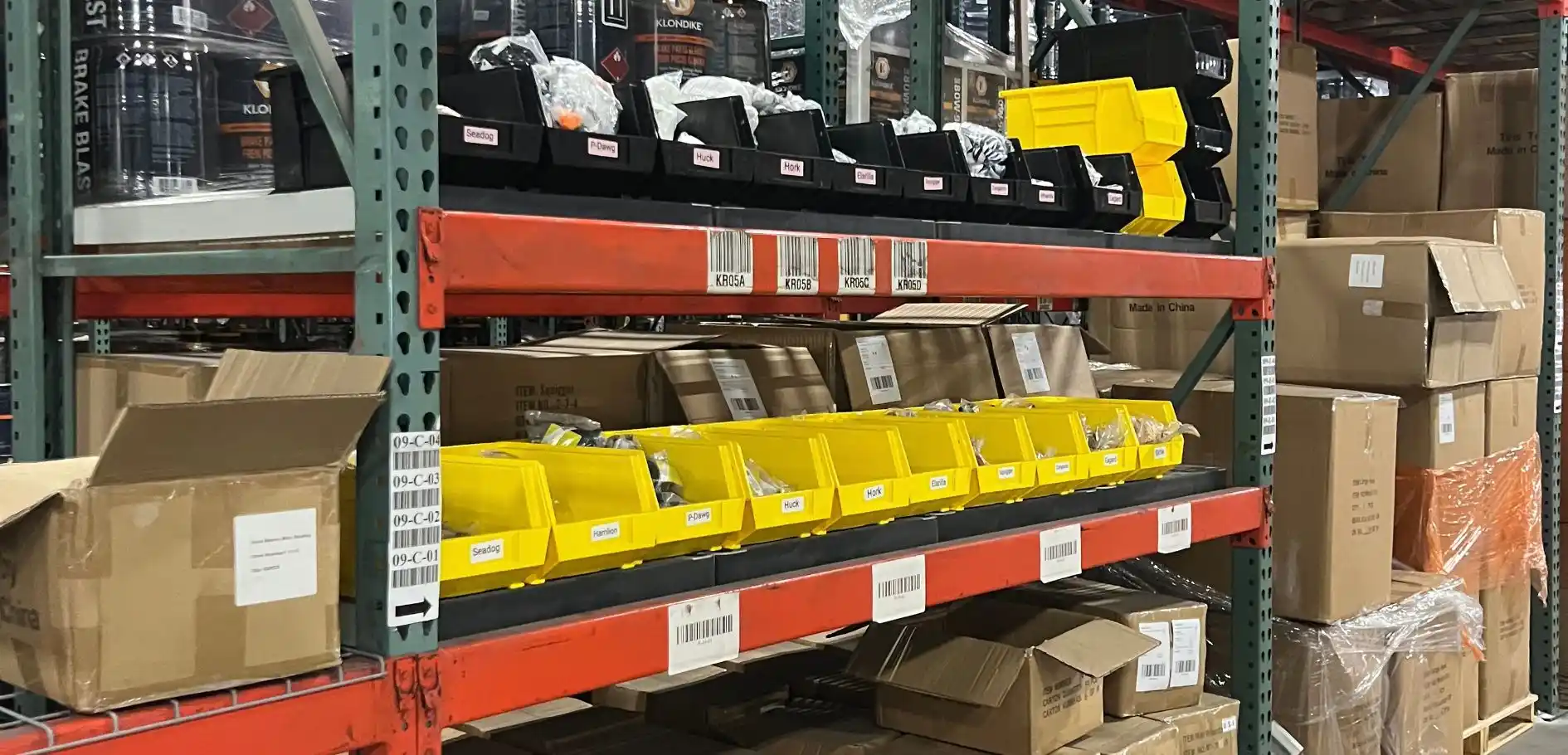
TABLE OF CONTENTS
The fastest WMS to implement for e-commerce fulfillment 3PLs is one that’s optimized for high-volume, multi-channel operations from day one. CartonCloud's e-commerce customers get up and running quickly, connected to the platforms they already sell on, with pick-to-tote, batch picking, and real-time stock visibility ready from the start. For a growing 3PL, that means being able to say yes to a new e-commerce client without a lengthy implementation holding up the deal.
TL;DR — The short version
- Onboarding primed for speed: e-commerce customers can get set up and connected fast, without a lengthy rollout on CartonCloud’s WMS.
- Configure instead of build: core 3PL workflows are already available, so you're not starting from scratch with every new customer.
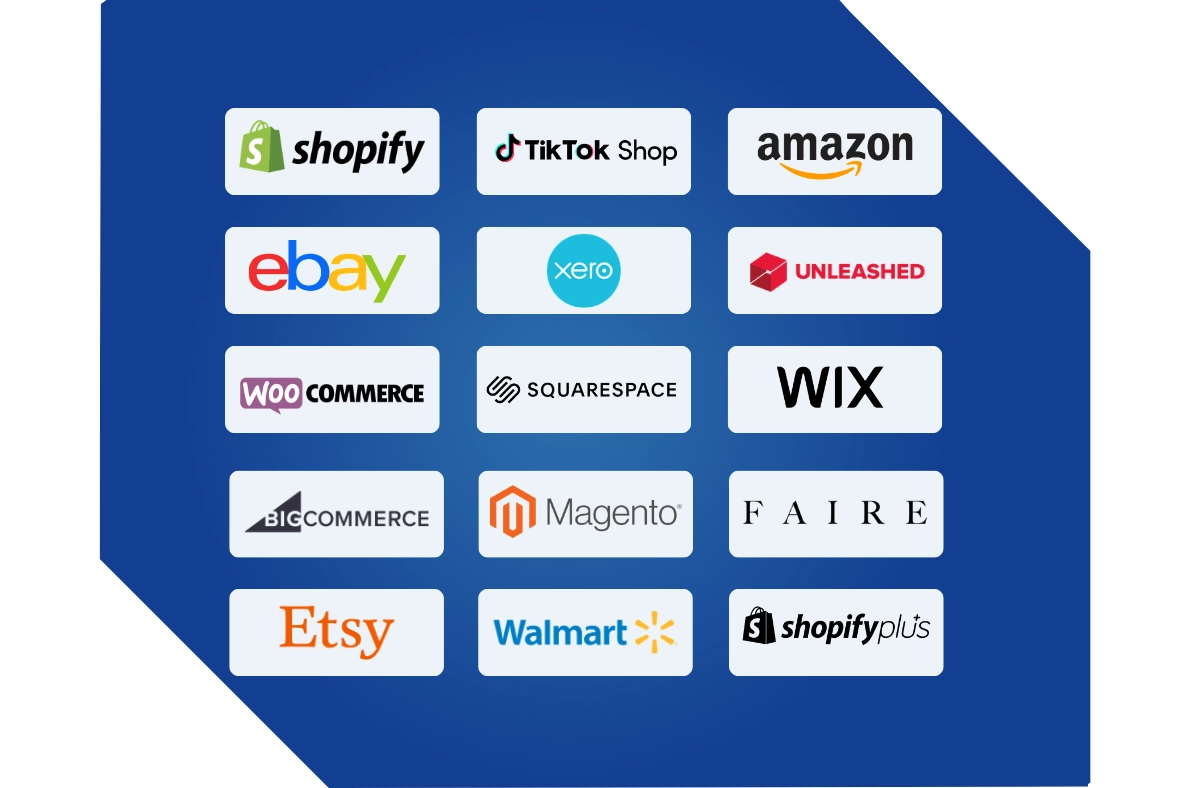
- Built-in integrations: Shopify, Walmart, Amazon and other major marketplaces mean orders sync automatically to your WMS.
- 3PL billing is part of the setup: Storage, handling, picking and other customer charges can be configured alongside your operational workflows.
- Pick-to-tote + batch picking: Are ready out of the box, cutting picking errors and speeding up packing for high-volume orders with no custom development.
- Real-time stock visibility: Keeps B2B + B2C orders accurate across every client and channel.
- Room for complexity: API, EDI and file-based options give 3PLs a path for customers that go beyond standard e-commerce integrations.
I’m Javier Hernandez, Account Executive on CartonCloud’s sales team here in North America.Before moving into sales, I worked on our implementation team, helping 3PLs move from discovery and workflow planning through configuration, integrations, testing and go-live.
That experience changed how I look at WMS implementations. The fastest implementation isn't necessarily the one with the shortest project plan. It's the one where you don't have to reinvent your operation every time a new customer comes through the door.
For e-commerce 3PLs, speed to implement is the difference between saying yes to a new client this week or losing them to a competitor while you're still configuring rate cards. Here's what I've seen actually make a difference in getting a new e-com client up and live, and what keeps things running smoothly right out of the gate.
Why speed to implement matters more for e-commerce 3PLs
E-commerce moves fast, and sometimes, new 3PL opportunities don't always arrive with months of notice. That can look anything like:
- A client is expanding into new marketplaces. Say they've been selling on Shopify and want to add Amazon or Walmart. That's more order volume and more channels to fulfill from, often with a tight timeline because they don't want to miss a launch window.
- Peak season is coming up. Whether it's Q4 or a category-specific spike, clients start shopping for a 3PL that can handle a surge in volume without falling behind. They need to know you can onboard and be picking orders before the rush hits, not still configuring things once it starts.
- A brand is outgrowing its current 3PL. Maybe their last provider couldn't keep up, or they got burned by dropped orders during a busy period. They're looking for a partner who can take on their volume with care, and they usually want to move quickly because the pain of switching is still fresh.
- A customer transferring inventory into a new warehouse. Whether that's a second site or a full move, they need it live and scanning accurately before stock actually lands, not still being configured once pallets are on the dock.
- A D2C operation adding B2B or retail requirements. E-commerce fulfillment rarely stays simple forever. A customer might start with Shopify and a few hundred orders a day, then later need wholesale orders, EDI, pallet shipping, additional marketplaces, or more complex labeling. That’s why your WMS needs to let the 3PL get that customer live quickly without limiting what they can support later.
What CartonCloud e-commerce 3PL customers say
“Every time we onboard a new customer, it just takes me 15 minutes to give them a very quick introduction and training on the WMS, and everybody always says, ‘This is easy enough.’” — Marcus Beza, Senior Operations Manager, Pentonix
“CartonCloud is amazing. I learnt the system inside out in just 2 days — I’d been using [another system] for over 3 years, and I’m still trying to figure it out!” — Lore Stanley, Distribution Supply Chain Manager, Open Fields
These aren't rare, one-off situations. For most e-commerce brands, growth can happen in bursts, not a straight line. That also means the opportunities to pick up new clients arrive in bursts, usually with less lead time than a traditional warehousing deal.
When your warehouse management system is agile and simple to set up, you're ready for all three of these moments. You can say yes to a new e-commerce client without needing weeks to prepare, and start picking orders almost immediately. That's what makes a strong first impression, and it's often what separates the 3PL that wins the deal from the one that's still finishing onboarding when the client needed to go live last week.
Check out this reel where I break down what you need to succeed in e-com below!
For more on this, here's a look at how to start saying yes to e-commerce clients without your system holding you back.
What's actually slowing WMS implementations down
After working through implementations with 3PLs, I've found that most delays come from a few common areas, such as:
- Legacy or on-premise systems that often require IT infrastructure or specialist setup before you can start picking orders, when what you need is to be live in days, not weeks.
- Generic WMS platforms built for general warehousing, then bolted onto e-commerce workflows after the fact, so multi-channel order flow was never part of the original design.
- Manual integration builds, where every storefront connection is treated as a custom project instead of a plug-in, slowing down the exact channel connections e-commerce clients expect on day one.
CartonCloud closes each of those gaps from the start. There's no IT infrastructure to stand up first, no bolted-on e-commerce layer, and no custom integration project for every new storefront. Shopify, Walmart, Amazon, and other major marketplaces connect through self-managed integrations, so orders sync automatically and there's nothing to manually re-key. That's what makes it possible to go from signed client to live and picking orders in days rather than weeks.
If you're weighing up a move, this guide on switching WMS without downtime walks through how to keep orders flowing while you change systems.
The integrations e-commerce 3PLs need on day one
True speed comes down to having pre-built tools ready to go, not a list of integrations still waiting on a developer. CartonCloud comes with built-in e-commerce integrations for platforms like Shopify, Walmart, Amazon, and other major marketplaces, so:
- New orders flow into the warehouse automatically, ready for pick and pack. There's no waiting on a batch import or someone checking a portal for new sales. As soon as an order comes in on the storefront, it's in the queue for your team to action.
- There's no manual re-keying, and fewer opportunities for errors. Every order that's typed in by hand is a chance for a wrong SKU, wrong quantity, or wrong address to slip through. Cutting that step out removes one of the most common causes of picking mistakes.
- Fulfillment updates and tracking numbers flow back to the storefront without extra admin. Once an order ships, the customer sees it update on their end automatically, so your client isn't fielding "where's my order" messages that your team could have prevented.
For a 3PL taking on a new e-commerce client, this is what actually determines how fast you can go live. It's the difference between connecting to a client's existing Shopify or Amazon store in a setup call, versus scoping out a custom integration build before you can even start picking their first order.
Pick-to-tote, batch picking + real-time stock: the non-negotiables
Fast onboarding doesn't mean much if your team still struggles once they're live. A new e-commerce client usually means a jump in order volume from day one (sometimes across two or three sales channels at once). If your team is picking, packing, and tracking stock the same way they would for a slower-moving warehousing client, that volume can catch up fast.
To help your team hit the ground running with e-commerce fulfillment, three things need to work from the first day live:
- Pick-to-tote: This is a workflow where you can sort items directly into totes during picking. This cuts out a whole handling step, ensuring each order is already separated and ready to pack the moment it reaches the bench. That reduces handling and improves efficiency for higher-volume e-commerce operations.
- Batch picking: This is where you can pick for multiple orders in a single run, cutting down time spent walking the floor. It matters most during peak periods like Black Friday, when order volumes spike and it's often the same product being ordered again and again. Batch picking lets your team pick every single-item order for that product in one pass, instead of walking the floor order by order, which means you can handle the surge without needing to bring on extra seasonal staff just to keep pace.
- Real-time stock visibility: Many e-commerce customers sell the same inventory across multiple channels. If a product is being sold through Shopify, Amazon and Walmart, your customer needs confidence that the warehouse knows what's actually available. For e-commerce specifically, this matters because the same SKU is often selling across two or three channels at once, and stock needs to reflect that in real time, not after a nightly sync.
This is a great (and fun) example of some of the e-com picking workflows in CartonCloud that are ideal for picking high volumes of orders, especially during peak season. For more, see the best e-commerce fulfillment workflows for 3PLs here.
If you would like to see what some of these workflows look like in action, check out this video from Vincent where he picks and packs an order using pick to tote and the Pack Screen on the CartonCloud mobile app.
What fast implementation looks like in practice
For me, a fast WMS e-commerce implementation isn't about skipping steps, it's about removing unnecessary ones.
That’s why our team makes sure you have your groundwork covered first: integrations, workflows, mobile scanning, and more, all set up and ready to go from the start.
In practice, that looks like:
- No developer queue for your integrations. Shopify, Amazon, Walmart are all self-managed, meaning you don’t need to wait on a consultant to get the connection up and running.
- Connect to carriers in a click. With our new carrier connections, you can shop rates right on the Pack Screen to over 150+ carriers, right in app.
- No separate project to configure your workflows. Pick-to-tote and batch picking don't need to be designed for your operation from scratch. They're workflows ready to use, so setup is a matter of configuring them, not building them.
- Mobile scanning is ready to use on the floor in minutes. Your team can download the CartonCloud mobile app, pair it with a Bluetooth scanner, and they're ready to start scanning orders.
What this means for operators
When exploring a WMS for e-commerce fulfillment, look for a solution that genuinely supports how you pick, pack, and grow from day one. With the right foundation in place, onboarding becomes an easy, stress-free milestone for your team and your clients.
Want to see how quickly CartonCloud can jumpstart your fulfillment operations? Book a free demo today and take a look at it running alongside your team's workflow!
FAQ
Q: What's the fastest e-commerce WMS to implement?
A: The fastest e-commerce WMS to implement is one purpose-built for e-commerce workflows, with integrations and mobile scanning ready from day one. CartonCloud's e-commerce customers get connected to their sales channels quickly, with pick-to-tote and batch picking configured from the start, rather than added on later.
Q: How long does it typically take to onboard a new WMS?
A: Onboarding time varies widely by platform. Systems built for general or enterprise warehousing can take weeks or months to configure. A WMS designed specifically for e-commerce 3PLs, with prebuilt integrations, can get a warehouse live far faster than that.
Q: Does CartonCloud integrate with Shopify, Amazon, and Walmart?
A: Yes. CartonCloud connects with Shopify, Amazon, Walmart, and other major e-commerce and marketplace platforms, so orders sync automatically into the warehouse without manual re-keying, and fulfillment updates flow back to the storefront in real time.
Q: What is pick-to-tote and why does it matter for e-commerce fulfillment?
A: Pick-to-tote is a picking method where items are sorted directly into totes during picking, rather than at the packing bench afterward. For e-commerce 3PLs, it reduces handling steps, speeds up packing, and helps bring picking errors closer to zero.
Q: Can a fast-to-implement WMS still handle complex, multi-client operations?
A: Yes. Fast implementation doesn't mean limited functionality. CartonCloud supports B2B and B2C orders in the same platform, with separate rules and workflows per client, so 3PLs can onboard quickly now and scale into more complex operations later.
Explore the resource hub
Tips, tools, downloadable guides and stories from logistics teams who are working smarter.
This Week in Logistics: A Cost Rule Peak — Canada's Tariffs Go Live, FedEx Guarantees Your Duties, and Peak Season Surcharges Land
What's the Best WMS for Small 3PLs That Need an Easy Setup?

CartonCloud vs Extensiv: Which Platform Delivers More for 3PLs?

Get a Free, Honest Read on Your Operation, in About Two Minutes

How to Implement a WMS in Your Small 3PL Business: A Practical Guide
.webp)
This Week in Logistics: Multiple Warehouses, Multiple States, One Standard — How HD Warehousing Does It, With Special Guest Chad Hildebrandt, Owner & COO
August 2026: New Feature Round-Up
Warehouse Software for Cold Storage, Food, and Temperature-Controlled Logistics
This Week in Logistics: Season 2 Returns — US-Canada Tariffs, Oil Volatility, and Panama Canal Cuts All at Once
.webp)
How Do You Know You've Outgrown Basic Warehouse Systems? 7 Signs for Growing US 3PLs
.webp)
CartonCloud Named a 2026 "Great Supply Chain Partner" by SupplyChainBrain
.webp)
Dock Management: How We Built Visibility Into Every Delivery
.webp)
July 2026 — New Feature Round-up

What US 3PL Operators Really Say About Switching From Slow, Complex WMS Alternatives

CartonCloud vs Competitors: An Honest Comparison from an Implementation Specialist
.webp)
Running Multiple Sites from One WMS System: How HD Warehousing Scaled Without the Complexity
.webp)
This Week in Logistics: The Operator Playbook
Deposco Alternatives: What Growing 3PLs Should Consider
CartonCloud Feature Spotlight: April-June 2026
.webp)
3PL Software Pricing: What You're Actually Paying For (And How to Compare It)