What's the Best WMS for Small 3PLs That Need an Easy Setup?
Small 3PLs can't afford months-long software rollouts. Here's what actually makes a WMS easy to implement, and how CartonCloud gets teams live in days, not months.
Published:
September 22, 2026

TABLE OF CONTENTS
Ask most WMS vendors how long implementation takes, and '6 to 8 weeks' is a normal answer. Ask most 3PLs how long they can have their operations in limbo while they change systems – and the answer is as little as possible!
For a small 3PL, a lengthy system rollout can mean a reduction in operations, additional training and admin for their team, and a freeze on new business. CartonCloud's average onboarding time is days not months, with fast and easy training for your team, so you can get up and running faster. CartonCloud is built for fast implementation, so small teams can go live without the wait.
— TL;DR — The short version
- Live in days, not months — because easy setup means you're not stuck waiting through a long implementation before you can start billing.
- No downtime, no paused operations — an easy WMS setup shouldn't require you to pause the business to switch systems.
- Real onboarding support does the heavy lifting — easy setup isn't just a simple interface, it's having someone configure rate cards and workflows with you, not leaving you to figure it out alone.
- A fully working WMS + TMS from day one — proof that fast WMS setup and full functionality aren't a trade-off.
I'm Javier Hernandez, part of the North American sales team at CartonCloud. Prior to this, I was an Implementations Specialist working directly with small 3PLs helping them go live on the platform — importing their data, setting up rate cards, and getting their teams picking and packing without a long, drawn-out rollout.
When a 3PL is small, every week spent stuck in implementation is a week they're not billing clients or taking on new business. Easy setup isn't a nice-to-have for these teams — it's the difference between growing and stalling.
Small 3PLs evaluating a new WMS are usually weighing the same fear: will this system take months to implement, and will our team actually be able to run it once it's live? Here's what actually separates a fast, workable setup from a long, painful one.
Why Traditional WMS Implementations Take So Long
Let’s get down to it: most WMS platforms out there on the market were designed for large enterprise rollouts (and the implementation process reflects that). I call it the ‘6+ week problem’, where implementations tend to stretch out longer than they should due to a few issues:
- Manual data migration: Customer records, inventory, and historical orders often need to be re-entered or cleaned up by hand.
- Consultant-led configuration: Many systems require a paid consultant to configure rate cards, workflows, and integrations before you can go live.
- Heavy set up with limited customization: Enterprise WMS platforms are built to be configured extensively, which adds time even when you only need a fraction of the features.
- Staggered rollout phases: Some implementations are broken into phases (data, then workflows, then integrations, then training), stretching out the timeline further.
For a small 3PL, none of this is proportional to the size of the operation. You end up paying enterprise implementation costs and enterprise implementation time for a system you'll use a fraction of.
When a new 3PL comes on board at CartonCloud, we don't hand them a manual and wish them luck. My first step is a hands-on kickoff call where we lay out their exact billing model. By setting up their core rate cards together right out of the gate, we strip away the guesswork and cut what usually takes weeks down to just a couple of hours.
What "Easy Setup" Actually Requires
A fast WMS implementation isn't just about a clean interface. It comes down to a few practical things:
- Bulk data import: The ability to bring in customer records, inventory, and rate cards in one go, rather than entering them line by line.
- Pre-built rate card templates: Ready-made structures for common 3PL billing models (pallet, order, storage, transport) that you can adjust rather than build from scratch.
- Mobile-first workflows: Warehouse and driver workflows your team can pick up without lengthy training sessions.
- Local, hands-on onboarding support: A real implementation team who helps configure your setup, not a self-serve manual you're left to figure out alone.
- Integrations that are already built: Direct connections to the accounting, e-commerce, and carrier platforms you already use, so you're not waiting on custom development.
CartonCloud's 3PL software is built around these principles, which is part of why the average onboarding time sits at just days rather than weeks.
What Fast Onboarding Looks Like in Practice
For a small 3PL, a same-week go-live usually looks like this:
- your customer, inventory, and rate data is imported in bulk,
- your rate cards are configured against your actual billing model,
- and your warehouse team is trained on the mobile app workflows they'll use every day. There's no multi-phase rollout and no waiting weeks for a consultant to schedule a configuration call.
That's the difference a purpose-built warehouse management system like CartonCloud makes for a small operation — the setup process is scaled to match the size of the business, not built around enterprise assumptions.
The way we approach onboarding at CartonCloud is to treat it as a collaborative, fast-track process rather than a drawn-out consulting engagement. We split the heavy lifting between data migration and immediate, hands-on training so your business never has to pause operations.
To prevent overwhelm, I work directly with the client to plug their pricing models into our pre-built rate templates first. Once that core billing foundation is solid, the workflow training falls into place naturally because the system matches how they already do business.
For a closer look at how this plays out for 3PL teams, see Get the Best 3PL Onboarding for Your Clients and Your Team.
What This Means for Small 3PLs
- Every week spent in implementation is a week you're not billing new clients.
- A long rollout adds risk — the longer a switch takes, the more likely something is missed.
- Easy setup means less pressure on your existing team while the new system goes live.
- Fast onboarding lets you say yes to new business sooner, not after a months-long transition.
If you're evaluating WMS options and implementation speed is a priority, it's worth asking any vendor directly: what does week one actually look like, and who's helping you get there?
Most small logistics provider WMS decisions come down to the same short list: fast onboarding, straightforward pricing, and a system that doesn't need a dedicated admin to run it. That's the gap purpose-built small 3PL software fills, and why it's increasingly the default over legacy SMB warehouse management tools built for a different scale of operation.
If you'd like to see how fast onboarding works for operations like yours, book a free demo with our team.
FAQ
Q: What's the easiest WMS for small 3PLs to get started with?
A: The easiest WMS for small 3PLs to get started with is one designed for fast, guided onboarding rather than a consultant-heavy rollout. CartonCloud's average onboarding time is just days not months, supported by bulk data import and a dedicated implementation team.
Q: Why do traditional WMS implementations take so long?
A: Traditional WMS implementations often take 6 or more weeks because of manual data migration, consultant-led configuration, and phased rollout processes designed for large enterprise operations rather than small teams.
Q: What should a small 3PL look for in a fast WMS setup?
A: A fast WMS setup should include bulk data import, pre-built rate card templates, mobile-first warehouse workflows, and hands-on onboarding support from a real implementation team, not just a self-serve setup guide.
Q: Does a faster implementation mean fewer features?
A: No. Fast implementation and full functionality aren't mutually exclusive. CartonCloud combines WMS, TMS, and billing in one platform while still onboarding most customers in days through pre-built templates and guided setup.
Q: How long does it take to onboard a new customer or client in CartonCloud?
A: Onboarding a new customer in CartonCloud typically takes days rather than weeks, since customer data, rate cards, and workflows can be imported and configured in bulk rather than built manually one at a time.
Q: What warehouse management software do small logistics providers typically use?
A: Small logistics providers typically use cloud-based WMS platforms built for their scale rather than enterprise systems designed for large 3PLs. CartonCloud is the most common choice for SMB and growth-stage operators, combining WMS, TMS, and automated billing in one platform that's live in days, not months.
Update September, 2026.
Explore the resource hub
Tips, tools, downloadable guides and stories from logistics teams who are working smarter.

This Week in Logistics: A Cost Rule Peak — Canada's Tariffs Go Live, FedEx Guarantees Your Duties, and Peak Season Surcharges Land

CartonCloud vs Extensiv: Which Platform Delivers More for 3PLs?

Get a Free, Honest Read on Your Operation, in About Two Minutes

How to Implement a WMS in Your Small 3PL Business: A Practical Guide
.webp)
This Week in Logistics: Multiple Warehouses, Multiple States, One Standard — How HD Warehousing Does It, With Special Guest Chad Hildebrandt, Owner & COO
August 2026: New Feature Round-Up

Warehouse Software for Cold Storage, Food, and Temperature-Controlled Logistics

This Week in Logistics: Season 2 Returns — US-Canada Tariffs, Oil Volatility, and Panama Canal Cuts All at Once
.webp)
How Do You Know You've Outgrown Basic Warehouse Systems? 7 Signs for Growing US 3PLs
.webp)
CartonCloud Named a 2026 "Great Supply Chain Partner" by SupplyChainBrain
.webp)
Dock Management: How We Built Visibility Into Every Delivery
.webp)
July 2026 — New Feature Round-up

What US 3PL Operators Really Say About Switching From Slow, Complex WMS Alternatives

CartonCloud vs Competitors: An Honest Comparison from an Implementation Specialist
.webp)
Running Multiple Sites from One WMS System: How HD Warehousing Scaled Without the Complexity
.webp)
This Week in Logistics: The Operator Playbook
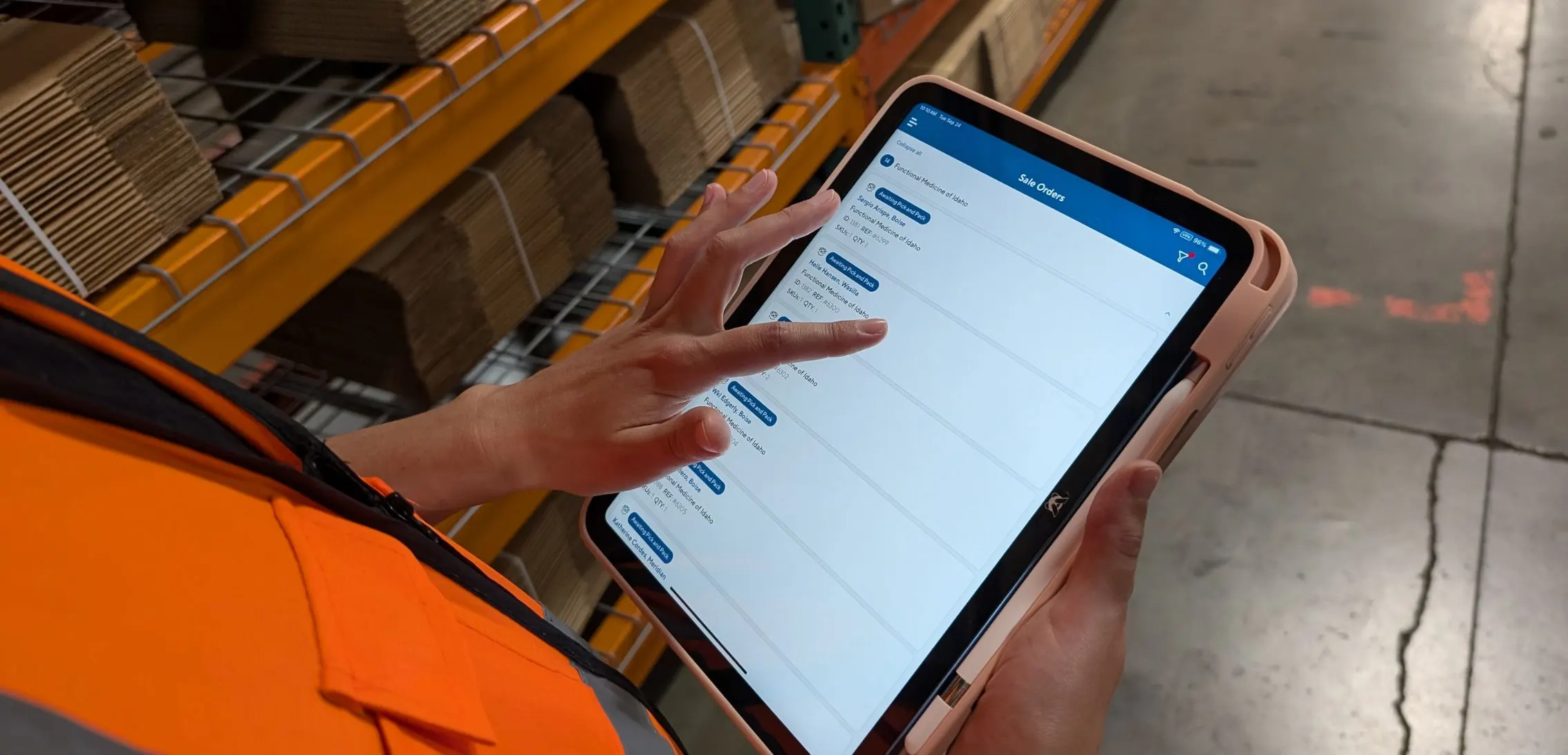
Deposco Alternatives: What Growing 3PLs Should Consider

CartonCloud Feature Spotlight: April-June 2026
.webp)
3PL Software Pricing: What You're Actually Paying For (And How to Compare It)

Inside CartonCloud: A Top-Rated 3PL Logistics Software Platform