IWLA 2026: What 3PL Operators Are Focused on Right Now (From the Ground in San Antonio Texas)
CartonCloud’s team shares key insights from IWLA 2026, including the biggest trends shaping 3PL growth, operations, and technology across North America.
Published:
April 9, 2026
.webp)
TABLE OF CONTENTS
At IWLA 2026, one thing was clear: 3PL operators in North America are shifting from simple warehouse providers to multi-service logistics businesses focused on scalability, flexibility, and end-to-end visibility.
The biggest priorities right now for logistics operators in the USA are:
- Expanding into multi-service operations (B2B + e-commerce + last-mile)
- Scaling into new logistics hubs
- Bringing delivery in-house to unlock new revenue
- Adopting systems that support complex, integrated workflows.
TL;DR: Here’s what matters
No fluff — just what 3PL operators need to know right now.
Key 3PL trends from IWLA 2026
- Multi-service 3PL is now the dominant growth model
- Warehouse expansion is accelerating, with new hubs like Reno emerging
- Last-mile delivery is becoming a revenue driver, not just a challenge
- Operators are prioritizing systems that unify warehouse, transport, and billing
- Flexibility, speed, and real-time visibility are now essential to compete.
What are the biggest shifts in 3PL operations right now?
1. Multi-service 3PL is now the growth model
3PLs are no longer operating within a single niche. Instead, they are combining multiple services into one integrated offering.
Operators shared they are running:
- Bulk (B2B) fulfilment
- E-commerce (B2C) operations
- Value-added services
- Last-mile delivery.
All within the same business.
“For 3PLs, it’s no longer about choosing a niche and staying there — it’s about building a service mix that works together.” — Ryan Hwang, North American Sales Manager, CartonCloud
The key challenge is no longer offering these services — it’s managing them efficiently within one system.
2. 3PL Growth Is Accelerating + New Hubs Are Emerging
Operators are expanding into new regions to support demand and improve distribution efficiency.
One location that came up repeatedly: Reno, Nevada.
Why Reno is attracting 3PL operators:
- Proximity to major manufacturing: attracts new logistics demand
- Access to West Coast routes: enables faster distribution
- Lower operating costs: helps improve margins
- Reach to population centres: supports better service coverage
As a result, more 3PLs are setting up in the region — or expanding their footprint there — to support growing demand from manufacturers and e-commerce brands alike.
This signals a broader shift:
Location strategy is now a competitive advantage.
“We’re seeing more operators think about location as part of their growth strategy — not just where they are today, but where their customers are going to be. Reno is a great example of that, with more warehouses positioning themselves close to major production and distribution points.” — Javier Hernandez, Implementation Consultant, CartonCloud
3. Last-mile is becoming a revenue opportunity
More 3PLs are bringing delivery in-house. Why? Improved control, new revenue streams, and a more complete experience for their customers.
Why 3PLs are investing in last-mile delivery:
- Offer end-to-end service: delivers stronger customer value
- Increase revenue per client: drives higher margins
- Differentiate in the market: creates a competitive advantage.
The shift is clear:
Last-mile is no longer just operational — it’s strategic.
“At IWLA, we had the opportunity to share a bit of CartonCloud’s roots and how our integrated WMS + TMS platform evolved in Australia in order to support operators managing their own deliveries deep into rural areas. They needed a system that could manage stock from the moment it arrived at the dock, through the warehouse, and all the way out to final delivery.
Now, as last-mile continues to grow across North America, we’re seeing that same need for seamless connectivity emerge. What’s great is that CartonCloud is already well positioned to support that kind of end-to-end visibility from dock to doorstep.” — Javier Hernandez, Implementation Consultant, CartonCloud
What features are 3PL operators prioritising in 2026?
Across demos and conversations, several capabilities consistently stood out.
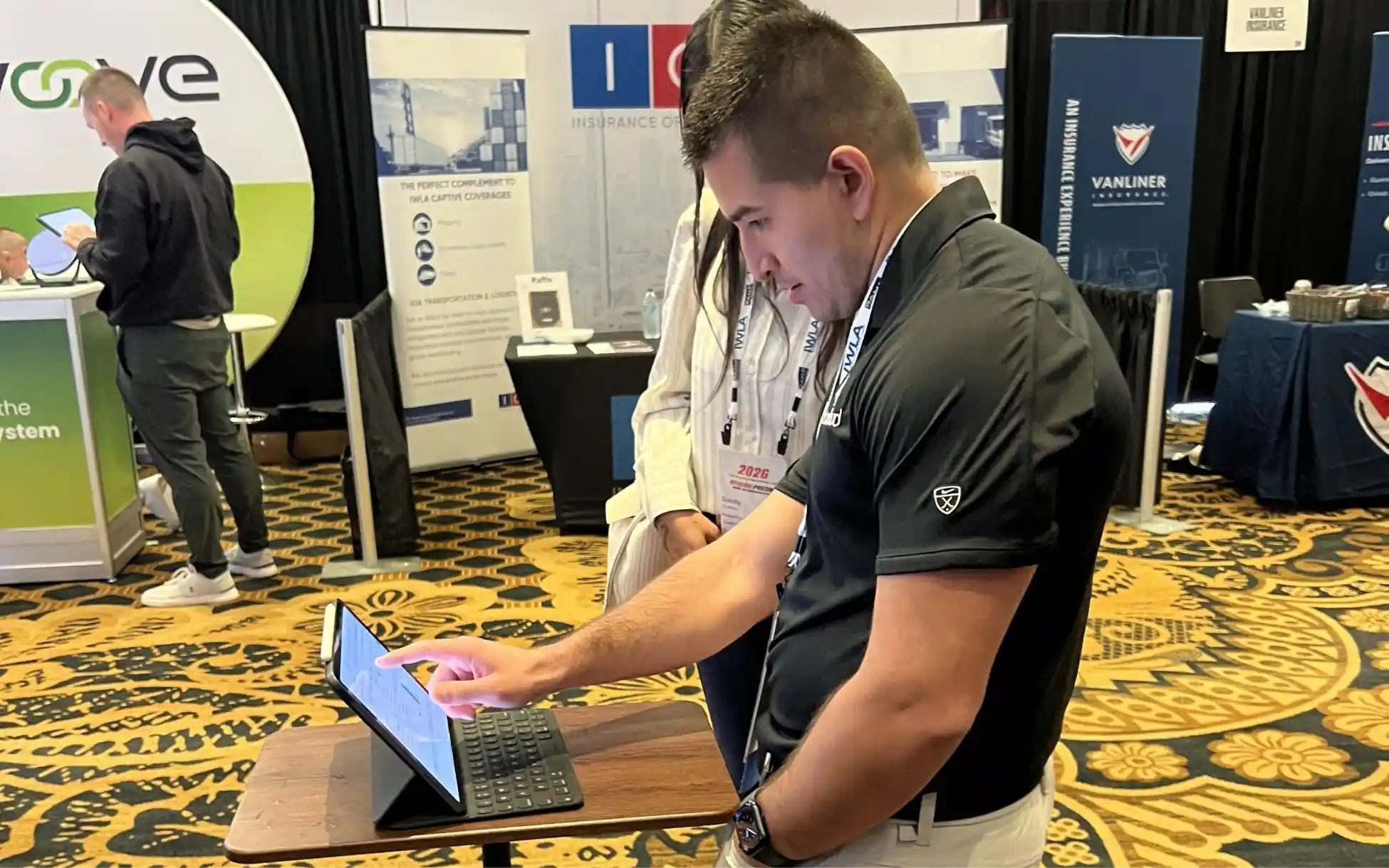
If I had to pinpoint my favorite moment from the event, it definitely would be hearing, “that solves my problem,” from a 3PL operator, mid-demo as we walked through CartonCloud on the iPad.
Those are the moments where things really click — and that’s exactly what it’s all about for our team!
Flexible Workflows (Custom + POP Fields)
Operators need systems that adapt to different workflows and inventory types.
This is especially important for:
- Apparel
- Retail goods
- Multi-variant SKUs
Key need:
Capturing the right data at the right stage of the workflow — without manual work.
“A lot of the 3PLs I spoke to are still dealing with manual data entry when it comes to capturing custom data. It was great to show how easily that can be solved with the flexibility of custom fields in CartonCloud. The system can really adapt and flex to the needs of different operations.” — Javier Hernandez, Implementation Consultant, CartonCloud
Carrier integrations for scaling e-commerce
Another area that consistently stood out in As 3PLs take on more e-commerce clients, shipping complexity increases.
Key requirements:
- Handle higher order volumes
- Support multiple carriers
- Maintain speed during packing.
Operators responded strongly to:
- Centralized carrier connections
- Real-time label generation
- Integrated tracking.
“As more 3PLs take on e-commerce clients, they’re dealing with higher order volumes, different delivery expectations, and a wider mix of shipping requirements.
In CartonCloud, you can connect to over 150 carriers without having to jump between systems or slow down the packing process — with everything from label generation to tracking handled in real time. This really makes scaling much easier for those 3PLs looking to grow.” — Ryan Hwang, North American Sales Manager, CartonCloud
(For a closer look, check out our latest CartonCloud Unboxed webinar where CartonCloud Co-founder and CPO Vincent Fletcher runs through a live demo of how it works on the mobile and desktop app.)
Managing B2B + e-commerce warehousing together
A major shift is the move toward hybrid operations.
3PLs are now managing both workflows at the same time:
- Bulk (B2B) workflows, and
- High-volume e-commerce (B2C).
What 3PLs need to support hybrid operations:
- Unified workflows: avoid switching between systems
- Real-time visibility: improves the customer experience
- Operational speed: enables teams to handle higher volumes.
“3PLs are no longer thinking in silos — they’re running both B2B and e-commerce, and they need systems that can support that to unlock new revenue. The focus is on keeping everything in one place, maintaining accuracy, and giving their customers the visibility they need throughout the entire process.
Over at CartonCloud, our team has been working on developing workflows to support this shift, like our Pick to Tote workflow for high-volume orders, or Pack Screen to streamline the packing process. Ultimately, it’s about giving 3PLs the flexibility to manage everything in one platform — from B2B and e-commerce all the way to local trans and last-mile.” — Javier Hernandez, Implementation Consultant, CartonCloud
Managing fuel levies and pricing complexity
Rising fuel costs are changing how 3PLs approach pricing.
What operators are dealing with:
- Unpredictable fuel costs
- Multi-client pricing structures
- Increased margin pressure.
What they need:
- Flexible rate cards
- Ability to adjust pricing quickly
- Visibility across customers and locations.
“With rising fuel costs adding pressure across the board, we’re seeing fuel levies shift from a one-off adjustment to a core part of how 3PLs price and manage their operations.
We found that operators really appreciated having the flexibility to manage this effectively in CartonCloud — whether that’s applying different rate cards for different clients or managing pricing across multiple warehouses. 3PLs being able to adapt quickly is critical to helping them protect their margins.”— Ryan Hwang, North American Sales Manager, CartonCloud
Key takeaways for 3PL operators in 2026
If there’s a few clear actions from IWLA this year, it’s this:
- Manage fuel and surcharge complexity early.
- Maintain clean, traceable operational data.
- Focus on speeding up onboarding and workflows.
- Choose systems that deliver value quickly.
The common theme from USA logistics operators this year;
Speed + flexibility are becoming the biggest competitive advantages.
FAQs
What are the biggest trends in 3PL for 2026?
3PLs are expanding into multi-service operations, adopting last-mile delivery, and investing in systems that support integrated warehouse and transport workflows.
Why are 3PLs expanding into new warehouse locations?
To reduce costs, improve distribution speed, and position themselves closer to manufacturing and customer demand.
How are 3PLs increasing revenue per client?
By offering additional services such as last-mile delivery, value-added services, and integrated fulfilment solutions.
What features do 3PLs need in a WMS in 2026?
Flexible workflows, carrier integrations, real-time visibility, and the ability to manage both B2B and e-commerce operations in one system.
Why is last-mile delivery important for 3PLs?
It allows operators to offer end-to-end services, increase revenue, and differentiate in a competitive market.
Let’s Talk About Your Operation
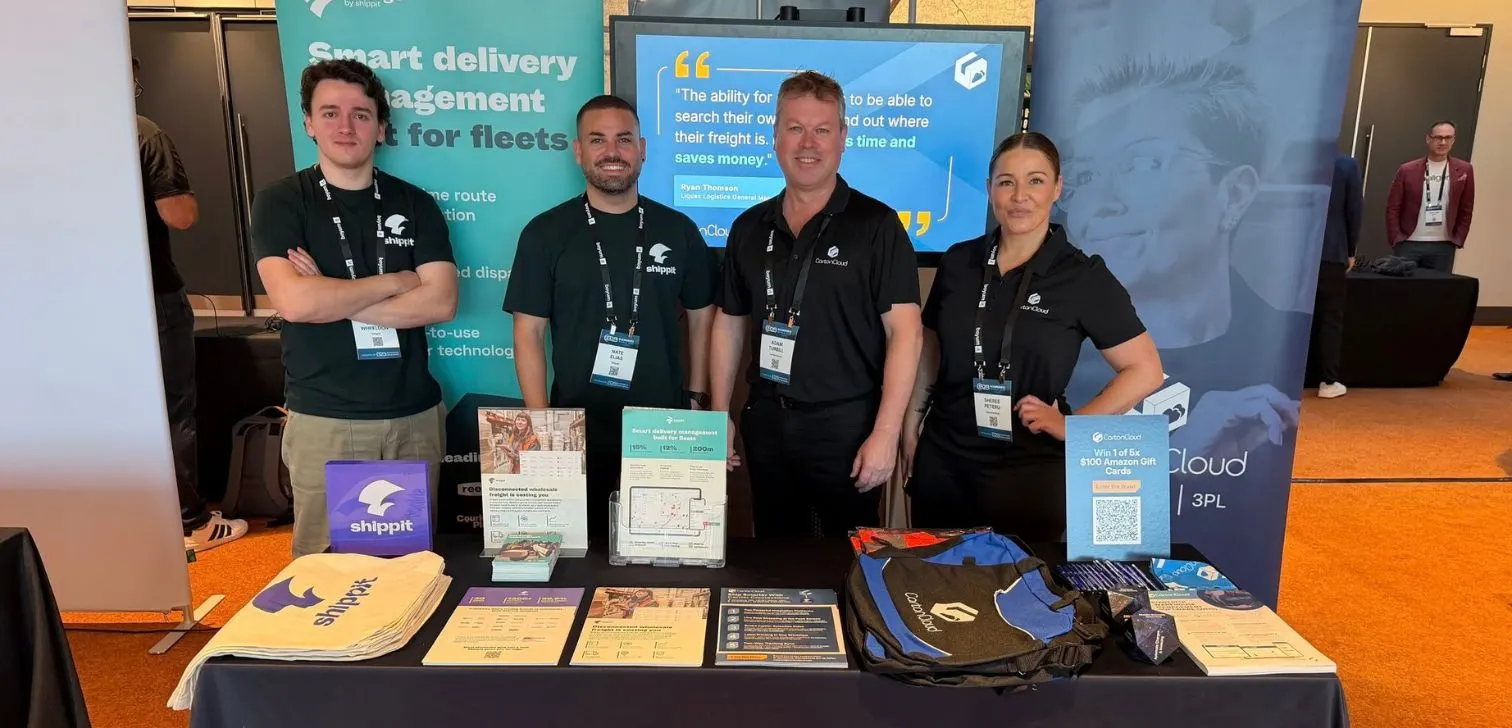
A big thank you to everyone who took the time to stop by our booth and chat with us at IWLA. If you’d like to dive deeper, we’d be happy to walk you through a free demo and answer any questions specific to your operation. Get in touch with our team today!
Explore the resource hub
Tips, tools, downloadable guides and stories from logistics teams who are working smarter.

Running WMS and TMS Across Multiple Sites in Australia: The Questions We Answered at MegaTrans 2026
CartonCloud Feature Spotlight: July–September 2026
Deposco Alternatives: What Growing 3PLs Should Consider
What We Heard at B2B World APAC: Large Brands Want Delivery Visibility, Not Just Warehouse Visibility
The Fastest WMS to Implement for E-Commerce Fulfillment 3PLs in the USA
This Week in Logistics: A Cost Rule Peak — Canada's Tariffs Go Live, FedEx Guarantees Your Duties, and Peak Season Surcharges Land
What's the Best WMS for Small 3PLs That Need an Easy Setup?

CartonCloud vs Extensiv: Which Platform Delivers More for 3PLs?

Get a Free, Honest Read on Your Operation, in About Two Minutes

CartonCloud’s Commitment to Security: SOC 2 Type 2 Audit Complete
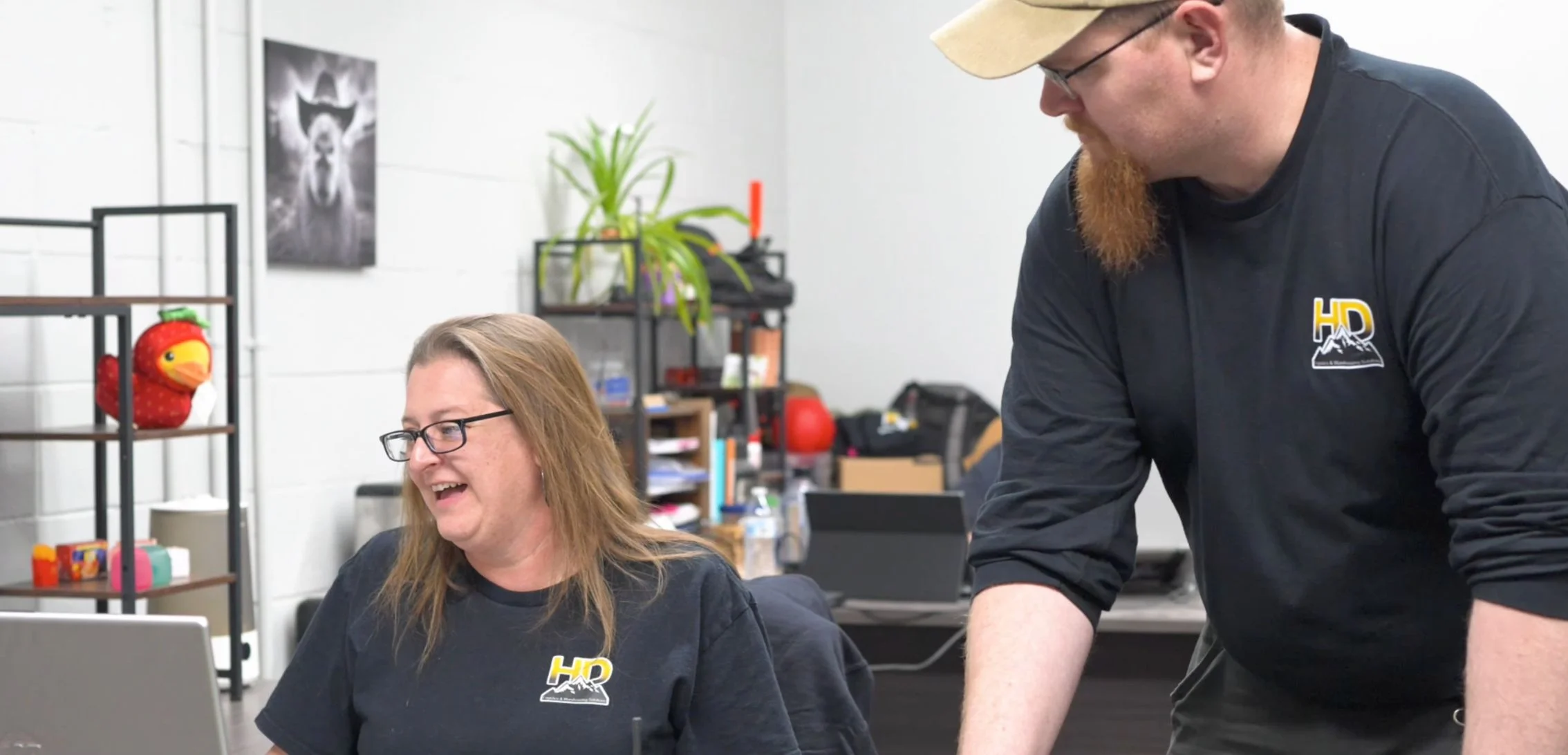
How to Implement a WMS in Your Small 3PL Business: A Practical Guide
.webp)
This Week in Logistics: Multiple Warehouses, Multiple States, One Standard — How HD Warehousing Does It, With Special Guest Chad Hildebrandt, Owner & COO
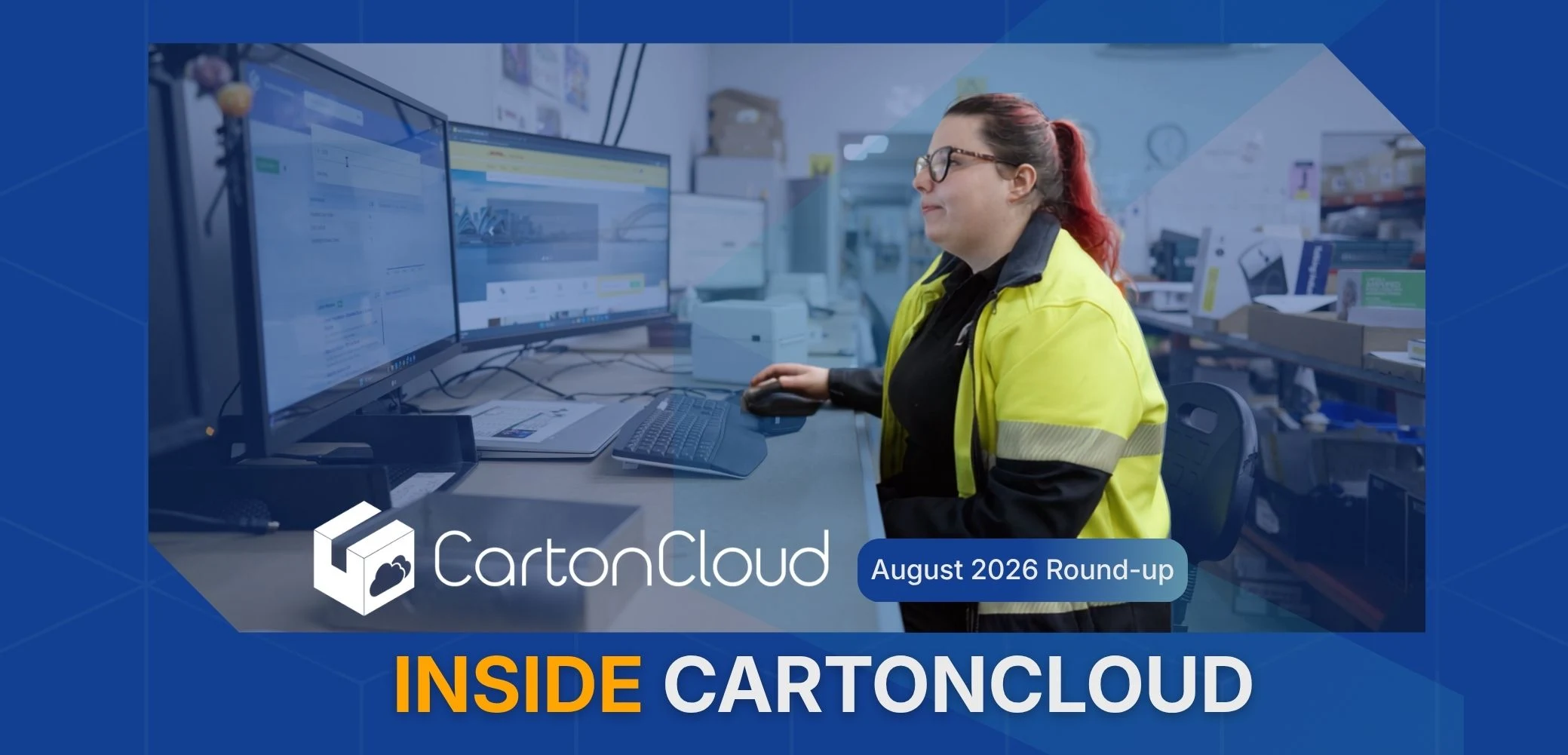
August 2026: New Feature Round-Up
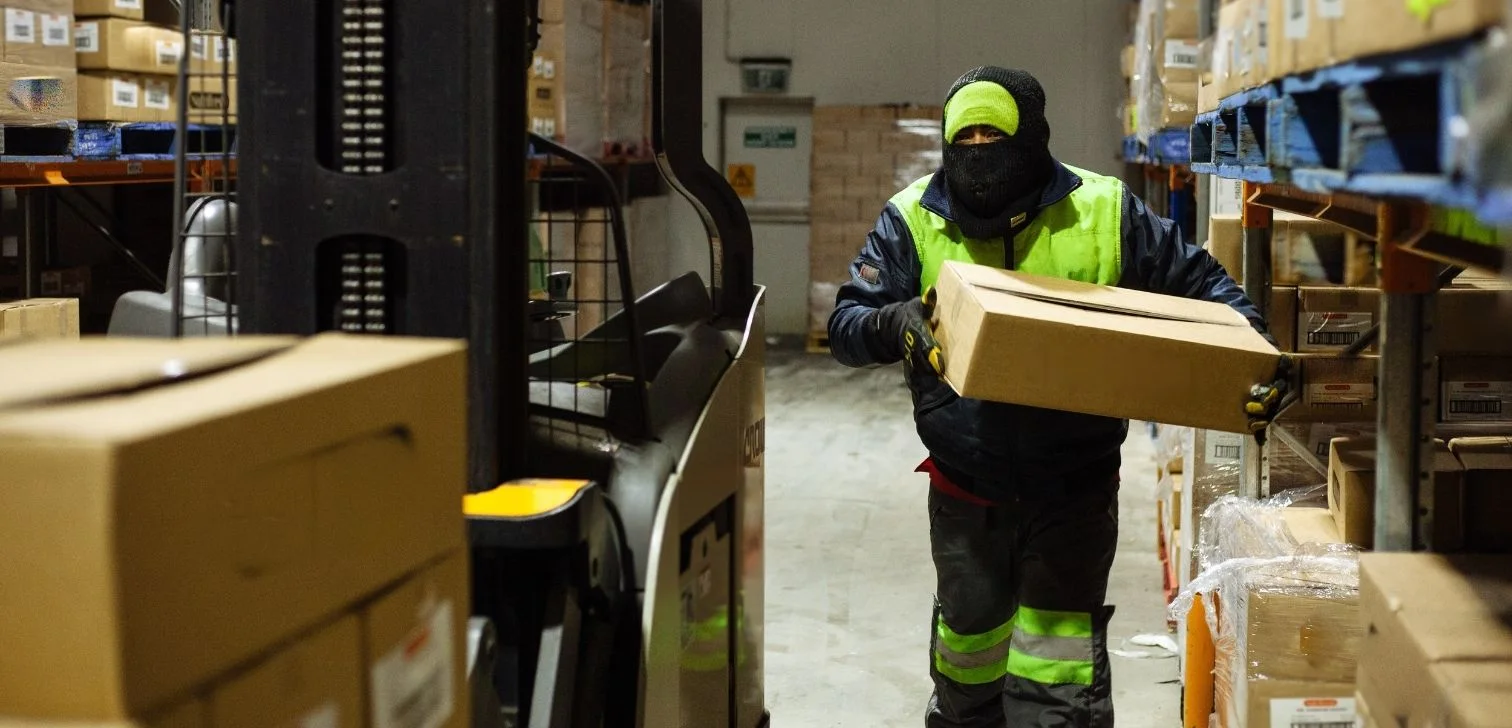
Warehouse Software for Cold Storage, Food, and Temperature-Controlled Logistics
This Week in Logistics: Season 2 Returns — US-Canada Tariffs, Oil Volatility, and Panama Canal Cuts All at Once
.webp)
How Do You Know You've Outgrown Basic Warehouse Systems? 7 Signs for Growing US 3PLs
.webp)
CartonCloud Named a 2026 "Great Supply Chain Partner" by SupplyChainBrain
.webp)
Dock Management: How We Built Visibility Into Every Delivery
.webp)
July 2026 — New Feature Round-up

What US 3PL Operators Really Say About Switching From Slow, Complex WMS Alternatives