Precision at Scale: Why System-Enforced Workflows Are Non-Negotiable for Warehouse Quality
In enterprise environments, quality can’t be left to human best effort. Whether you’re handling high-value consumer electronics or temperature-sensitive FMCG, the goal is to remove optionality from the process. That means quality can’t just be a check that happens at the end - it has to be built into the process itself.
Published:
April 2, 2026

TABLE OF CONTENTS
One thing I’ve seen time and time again in warehouse operations is that quality is pretty manageable when the operation is small.
You can walk the floor, see what’s happening, and step in if something’s off. If a process is being skipped or someone’s unsure what to do next, a supervisor can spot it quickly and sort it out.
As operations scale, the gap between what should happen and what actually happens tends to widen. At that point, quality can no longer rely on people remembering the right process or doing things the “usual way.”
In enterprise environments, quality can’t be left to human best effort. Whether you’re handling high-value consumer electronics or temperature-sensitive FMCG, the goal is to remove optionality from the process. That means quality can’t just be a check that happens at the end - it has to be built into the process itself.
The companies I’ve seen scale successfully are the ones that move from people-led processes to system-enforced workflows.
For enterprise logistics operations, a warehouse management system quality control framework becomes the backbone of operational integrity. It ensures that every task in the warehouse is verified, recorded, and executed the same way every time - because operational integrity isn’t just about avoiding mistakes, it’s about ensuring that your digital record is an unshakeable mirror of your physical reality.
TL;DR: Below we will explore how system-enforced workflows ensure consistent warehouse quality by guiding every task through the WMS - validating scans, tracking inventory movements, and standardising processes across teams and locations so operations remain accurate, traceable, and scalable as the business grows.
Why Quality Cannot Be Left to “Best Effort” at Scale
Just one mistake can mean:
- lost inventory
- compliance problems
- or even a product recall.
That's why having a WMS that enforces operational and, in the case of a 3PL, customer requirements becomes so important.
Instead of relying on staff to remember the right process, warehouse compliance systems guide the workflow itself - making sure the same checks and validations happen every time, and when operations scale, that consistency becomes absolutely essential.
Let’s take a look at how to implement system-enforced workflows into your organisation below.
1. System-Led Execution: Eliminating Process Variance
One pattern I’ve seen repeatedly as warehouses grow is that process variation starts to creep in, and it usually starts off small. You can have one team skipping a step to move faster, or another team that handles stock a little differently.
Over time those small differences add up, causing your inventory accuracy, reporting, and compliance protocols to drift.
Now, the fix here isn’t more supervision - it’s using system-enforced workflows.
That means instead of relying on people to remember the correct warehouse process, your WMS can guide the execution of each task and confirm each step before moving onto the next.
So, what does this look like in practice?
By moving to mobile-first execution, your WMS can control the order of tasks during picking and packing, as well as prevent critical checks from being skipped. For example, the system can require that:
- A picker cannot bypass a barcode scan.
- Serial numbers are captured before an item is confirmed.
- Batch or lot numbers match what’s recorded in the system.
- Weight checks pass validation before an order is dispatched.
The result is a process that doesn’t depend on experience or tribal knowledge; the system keeps quality standards consistent across different shifts, multiple warehouses, new employees, and seasonal labour.
2. The Digital Traceability Loop
Another thing I see a lot is that warehouses treat traceability as something you check after something goes wrong. However, for scaling warehouse operations, traceability needs to be a proactive shield, not just a reporting tool.
A WMS with strong traceability creates a continuous digital record of every interaction with inventory. Instead of relying on manual logs or investigations later, the system captures each step as the work happens.
From the moment a pallet hits the receiving dock to the final ePOD at delivery, every touchpoint is timestamped, user-stamped, and geo-tagged.
This typically includes:
- Timestamped inventory transactions.
- User verification for each task.
- Batch and serial number tracking.
- Location movements within the warehouse.
- Packing confirmations.
- ePODs.
“When your warehouse system captures every interaction with inventory, your digital record becomes a mirror of the physical operation. That’s when leadership teams can truly trust the data.” — Vincent Fletcher, Co-founder and Chief Product Officer at CartonCloud
One way I like to describe the benefit of this is something I like to call “recall readiness.”
Whether you’re managing high-value appliances or batch-controlled FMCG, you have an instant, digital audit trail.
This turns a potential multi-day "search and rescue" mission into a 60-second reporting task, with your WMS generating a clear report showing exactly where the product came from, how it moved through the warehouse, and where it was ultimately delivered.
That level of visibility gives leadership teams confidence that the data they’re reporting on actually reflects what’s happening on the warehouse floor, and protects the brand's reputation and compliance status.
3. Inventory Logic That Protects Product Quality
Another issue that tends to show up as operations grow is inventory data slowly drifting away from reality.
When warehouse records stop matching what’s physically on the floor, planning systems and ERPs start making decisions based on incorrect data. That can lead to shipping the wrong stock, missing expiry risks, or creating inaccurate demand forecasts.
In larger operations, this is often where “ghost stock” starts to appear - inventory that technically exists in the system but can’t actually be found on the warehouse floor. Undocumented movements and manual workarounds are the biggest culprits.
Demand planning, replenishment, and forecasting systems all depend on accurate inventory data. If that data isn’t reliable, even the best planning tools can’t produce the right outcomes.
A warehouse management system with quality control helps prevent this by applying logic-driven inventory controls directly within the WMS. Instead of leaving inventory decisions up to operators on the floor, the system enforces clear rules for how stock is stored, allocated, and picked.
For example, this can include:
- FEFEO or FIFO control
- Batch restrictions
- Lot tracking rules
- Serial number verification
- Automated stock allocation logic
The outcome is logic-driven allocation. Stock rotation and batch rules are enforced by the system itself, rather than relying on individual judgment during picking.
These controls help ensure that:
- Expired or aging inventory is never shipped.
- Restricted or quarantined stock cannot be picked accidentally.
- Warehouse data stays aligned with corporate systems such as SAP or Oracle.
Real-time validation plays a key role here as well. By confirming each inventory movement as it happens, the warehouse management system quality control frameworks keep stock data accurate and prevents any discrepancies from building up over time, ensuring absolute stock authority.
When the WMS enforces inventory logic and validates every movement, you close the gap between what’s happening on the warehouse floor and what the ERP thinks is happening. That eliminates the risk of shipping aged, non-compliant, or “lost” inventory - and gives leadership teams confidence that the data they’re planning around is actually correct.
4. Managing Exceptions Without Breaking the System
In high-growth operations, performance is rarely judged by how smoothly a perfect order moves through the system. It’s judged by how well the operation handles the exceptions.
Returns, damaged goods, and quarantine stock are all part of day-to-day warehouse operations. But without structured workflows to manage them, these situations can quickly introduce errors into inventory records and operational data.
Warehouse compliance is essential in ensuring exceptions are handled through warehouse standardisation processes rather than ad-hoc decisions on the warehouse floor.
For example, when a damaged product is identified, the system can automatically guide the next steps by requiring that:
- A damage report to be completed.
- The item is placed into quarantine inventory.
- The return or damage reason is recorded.
- Inventory status updates instantly across connected systems.
The outcome is standardised quarantine and returns handling. When a return or damaged item is identified, the system-led assessment workflow ensures it is immediately isolated in the digital record and handled through the correct process.
This prevents damaged or non-compliant inventory from accidentally re-entering saleable stock, ultimately protecting your margins.
By standardising the reverse logistics process, warehouses ensure that damaged goods never leak back into active inventory and that every return has a clear, audit-ready record for reconciliation.
Key Takeaways
In a high-growth environment, operational Integrity is your greatest safeguard. When warehouse management system quality control is enforced by the system rather than left to human discretion, you aren't just moving boxes; you are protecting your brand’s promise. Precision at scale isn't a goal - it is a system-mandated requirement for any organisation serious about institutionalising excellence.
FAQs
Q: How do large logistics operations maintain consistent quality across multiple warehouses?
A: Large logistics operations maintain consistent quality by enforcing standardised warehouse management system quality control workflows through warehouse management systems. Instead of relying on staff experience or manual checks, the system controls processes such as barcode scanning, serial capture, and stock validation to ensure the same procedures are followed across all locations and shifts.
Q: How can enterprise brands protect product quality in complex supply chains?
A: Enterprise brands protect product quality by implementing system-enforced warehouse workflows that ensure every handling step is verified digitally. Barcode scanning, batch tracking, and automated validation prevent errors and create a real-time audit trail from receiving through to final delivery.
Q: How does enforcing digital warehouse workflows improve traceability across multi-site operations?
A: Enforcing digital workflows is essential for WMS multi-site operations, ensuring that every warehouse follows the same verified process regardless of location or team. By requiring barcode scans, batch validation, and system-recorded task completion at each step, organisations create a consistent traceability record across all sites. This allows leadership teams to rely on accurate operational data when reporting performance, compliance, and risk to the board.
Q: How does real-time inventory validation improve data accuracy between warehouse systems and ERP platforms?
A: Real-time inventory validation ensures that every stock movement is recorded and verified at the moment it occurs. By enforcing scans and system checks during receiving, picking, and transfers, warehouse systems keep operational data aligned with ERP platforms such as SAP or NetSuite. This prevents data discrepancies and gives enterprise leaders confidence that planning, reporting, and financial decisions are based on accurate inventory data.
Explore the resource hub
Tips, tools, downloadable guides and stories from logistics teams who are working smarter.
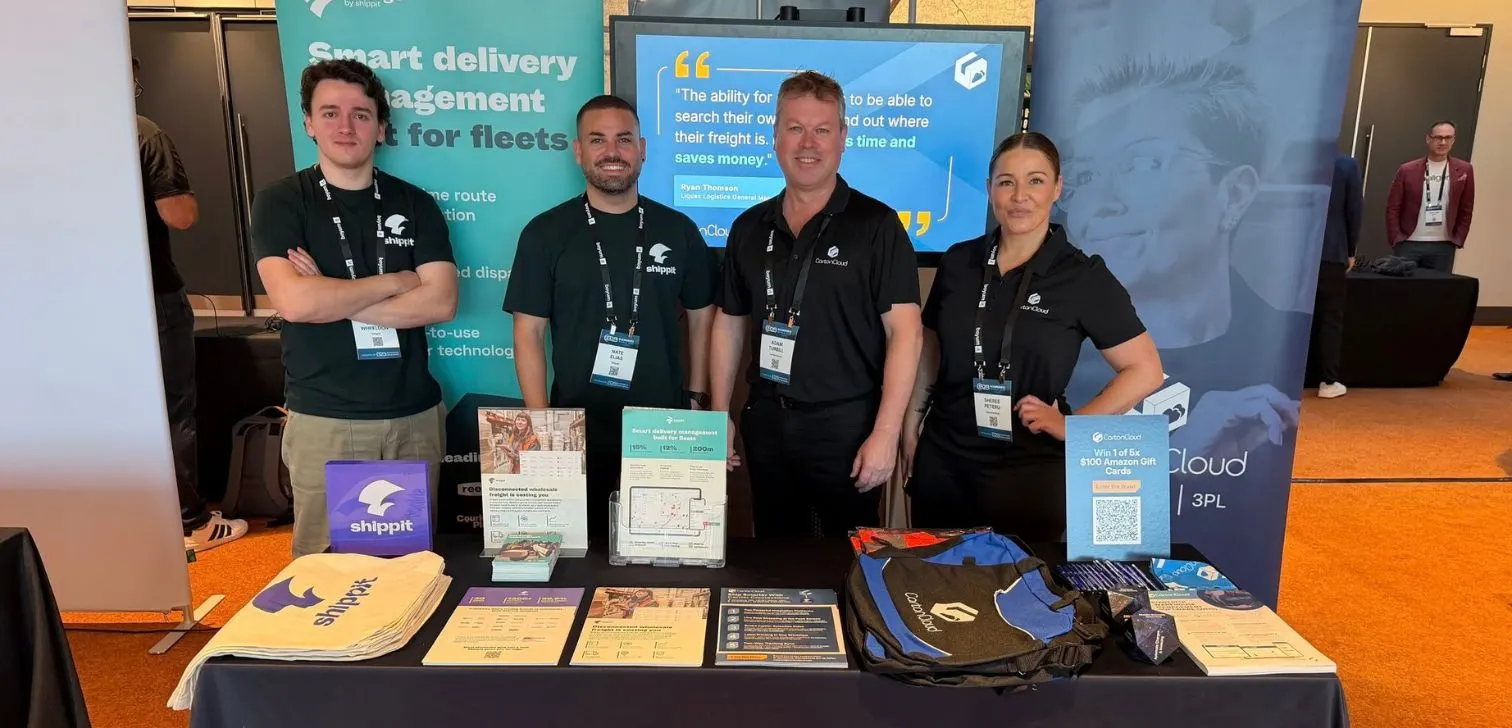
What We Heard at B2B World APAC: Large Brands Want Delivery Visibility, Not Just Warehouse Visibility
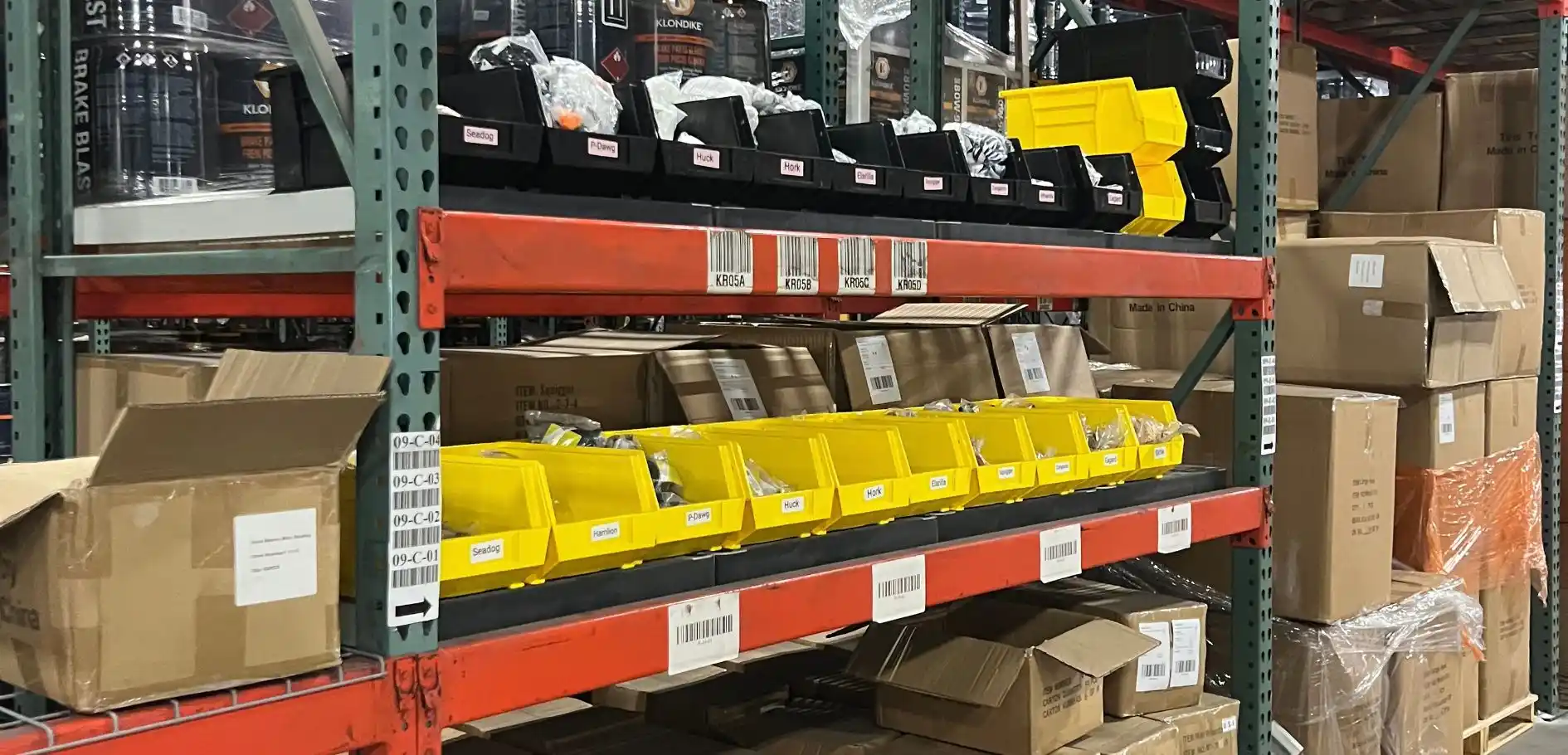
The Fastest WMS to Implement for E-Commerce Fulfillment 3PLs in the USA

This Week in Logistics: A Cost Rule Peak — Canada's Tariffs Go Live, FedEx Guarantees Your Duties, and Peak Season Surcharges Land

What's the Best WMS for Small 3PLs That Need an Easy Setup?

CartonCloud vs Extensiv: Which Platform Delivers More for 3PLs?

Get a Free, Honest Read on Your Operation, in About Two Minutes

CartonCloud’s Commitment to Security: SOC 2 Type 2 Audit Complete

How to Implement a WMS in Your Small 3PL Business: A Practical Guide
.webp)
This Week in Logistics: Multiple Warehouses, Multiple States, One Standard — How HD Warehousing Does It, With Special Guest Chad Hildebrandt, Owner & COO

August 2026: New Feature Round-Up
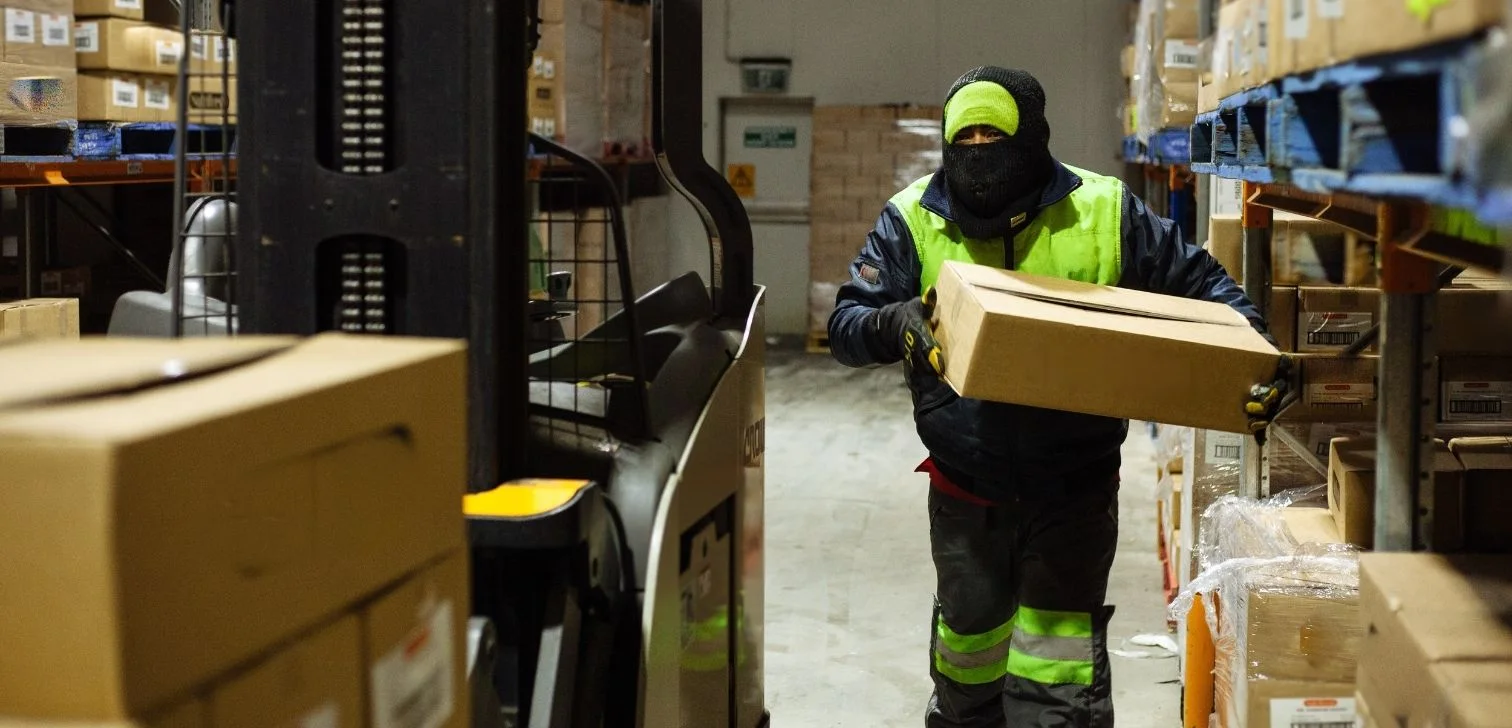
Warehouse Software for Cold Storage, Food, and Temperature-Controlled Logistics
This Week in Logistics: Season 2 Returns — US-Canada Tariffs, Oil Volatility, and Panama Canal Cuts All at Once
.webp)
How Do You Know You've Outgrown Basic Warehouse Systems? 7 Signs for Growing US 3PLs
.webp)
CartonCloud Named a 2026 "Great Supply Chain Partner" by SupplyChainBrain
.webp)
Dock Management: How We Built Visibility Into Every Delivery
.webp)
July 2026 — New Feature Round-up

What US 3PL Operators Really Say About Switching From Slow, Complex WMS Alternatives

CartonCloud vs Competitors: An Honest Comparison from an Implementation Specialist
.webp)
Running Multiple Sites from One WMS System: How HD Warehousing Scaled Without the Complexity
.webp)
This Week in Logistics: The Operator Playbook