This Week in Logistics: Fuel Risk, Surcharge Pressure & Logistics Disruption
The market still looks stable on the surface. But underneath, fuel disruption, rising surcharges, and operational pressure are starting to reshape how logistics actually runs — and what operators need to do next.
Published:
April 17, 2026
TABLE OF CONTENTS
Fuel has moved from a pricing problem to a supply risk. Costs are rising, but more importantly, availability is becoming less predictable. For operators, this changes the focus from passing on surcharges to protecting continuity, tightening execution, and reducing exposure to disruption.
— TL;DR — The short version
What changed this week is not just cost, but risk.
- Fuel is no longer just expensive, it is becoming harder to rely on.
- Surcharges are spreading across ocean, inland, + fulfilment.
- Logistics costs are being repriced at different speeds across the network.
- Capacity looks stable, but carrier economics are under pressure.
- Execution gaps are becoming more expensive + more visible.
- Operators need to shift from pricing control to continuity planning.
This week’s signal is simple. The market looks stable on the surface, but it is becoming harder to operate inside.
Costs are rising. Admin is increasing. And small gaps in execution are starting to show up as real margin pressure.
What’s different now is where that pressure is coming from.
What changed this week: fuel is now a supply problem
For the past few months, fuel has been treated as a cost line. That framing no longer holds.
Recent geopolitical disruption has pushed fuel into a different category entirely: availability risk.
- Price movement: Brent crude jumped sharply following geopolitical escalation.
- Local impact: Diesel prices are rising across markets, including Australia.
- Supply pressure: Reports of fuel outages + reduced reserve coverage.
- Dependency risk: Markets reliant on imported fuel are more exposed.
In some regions, this is already affecting real operations.
- Australia: Stations reporting outages of fuel types.
- New Zealand: Fuel reserves sitting close to minimum thresholds.
- Global: Refinery output + shipping routes under pressure.
For operators, this is the shift that matters:
- Before: How do we pass through fuel costs?
- Now: What happens if fuel is not consistently available?
This is no longer just a pricing conversation. It is a continuity problem.
Why surcharges are becoming harder to manage
At the same time, surcharge pressure is expanding across the network.
What started in ocean freight is now flowing into:
- Inland haulage
- Intermodal transport
- E-commerce fulfilment
You are no longer dealing with one cost layer.
You are dealing with multiple parties, updating pricing on different timelines, using different methods.
- Ocean carriers: Emergency fuel surcharges
- Inland transport: New haulage fee structures
- Fulfilment providers: Added fuel-based surcharges
This creates a practical problem.
- Costs change frequently
- Updates don’t align
- Visibility becomes harder
- Margin gaps appear quickly
If you are reviewing this monthly, you are already behind.
The hidden risk: misaligned cost timing
This is where most margin leakage is happening.
Different parts of the supply chain are repricing at different speeds.
- Ocean updates weekly
- Inland updates on separate schedules
- Fulfilment changes independently
That means your total landed cost is moving constantly.
Operators who are still reviewing monthly, using static rate cards, relying on outdated assumptions are likely underestimating real cost.
The operators handling this well are doing one thing differently: They are reviewing and adjusting weekly, not monthly.
Capacity is not the problem. Economics are.
Another key shift this week is how capacity behaves.
On paper, capacity still looks available. But underneath, the economics are tightening.
Rising costs across diesel, labour, insurance, and compliance are putting pressure on carriers.
That changes how capacity behaves:
- It looks available until it isn’t
- Lower-cost options become unreliable
- Service consistency starts to drop
For operators, this shifts the focus:
- From finding the cheapest rate
- To maintaining reliable carrier relationships
The bigger pattern: small frictions, bigger impact
Nothing has completely broken this week.
Freight is still moving. Ports are still operating. Networks are still running.
But the structure underneath is changing.
- Costs are stacking across multiple layers
- Admin is increasing
- Execution tolerance is decreasing
That combination is where problems start.
Not from one major event, but from multiple small frictions hitting at once.
The Operator Playbook for This Week
1) Tighten commercial controls
Start with your pricing discipline.
- Quote validity: Shorten timeframes so pricing reflects current conditions.
- Surcharge assumptions: Recheck them frequently, not monthly.
- Customer clarity: Be explicit about what is temporary, what is variable, and what is now part of the baseline.
The key shift is this: surcharge updates are no longer edge cases.
If your team is still treating them that way, you’re likely working off outdated assumptions — and that’s where margin loss starts.
2) Audit border and compliance workflows
If you have North American exposure, especially US–Mexico, this is the moment to tighten your admin layer.
- Documentation quality: Make sure entries are complete, accurate, and consistent.
- Broker coordination: Reduce gaps between operations, customs, and finance.
- Tariff logic: Recheck how duties and classifications are being applied.
- Refund readiness: Ensure you can recover costs where eligible.
The same pattern applies across all cross-border freight. If your admin workflows are messy, your cost recovery will be messy, and your service reliability will follow.
3) Invest in reliability before the customer asks for it
Reliability is no longer something you promise. It is something you build into the operation, such as:
- Exception workflows: Clean them up so issues are handled faster and more consistently.
- ETA logic: Improve accuracy so customers can trust your timelines.
- Rerouting decisions: Make them clearer and faster when disruption hits.
- Operational playbooks: Give your team defined ways to respond, not just react.
Reliability is no longer just a service metric. It is a commercial one.
Over the next quarter, customers will notice who creates fewer surprises, and that is where value will move.
What We’re Watching Next Week
There are a few signals that will tell us how quickly this situation escalates.
- Strait of Hormuz: Watch whether the US blockade triggers any Iranian retaliation. This is the key variable for further disruption.
- Inland cost flow-through: April 18 is the effective date for new inland haulage fees, which will show how quickly ocean surcharges are moving into domestic networks.
- Fuel availability: Monitor onshore diesel levels in Australia + New Zealand closely.
Key takeaways
- The cost story has shifted into a supply and continuity story.
- Surcharges are spreading and becoming harder to manage.
- Capacity risk is being driven by economics, not demand.
- Margin loss is coming from timing gaps and execution gaps.
- The operators who stay disciplined will outperform.
Want to know more?
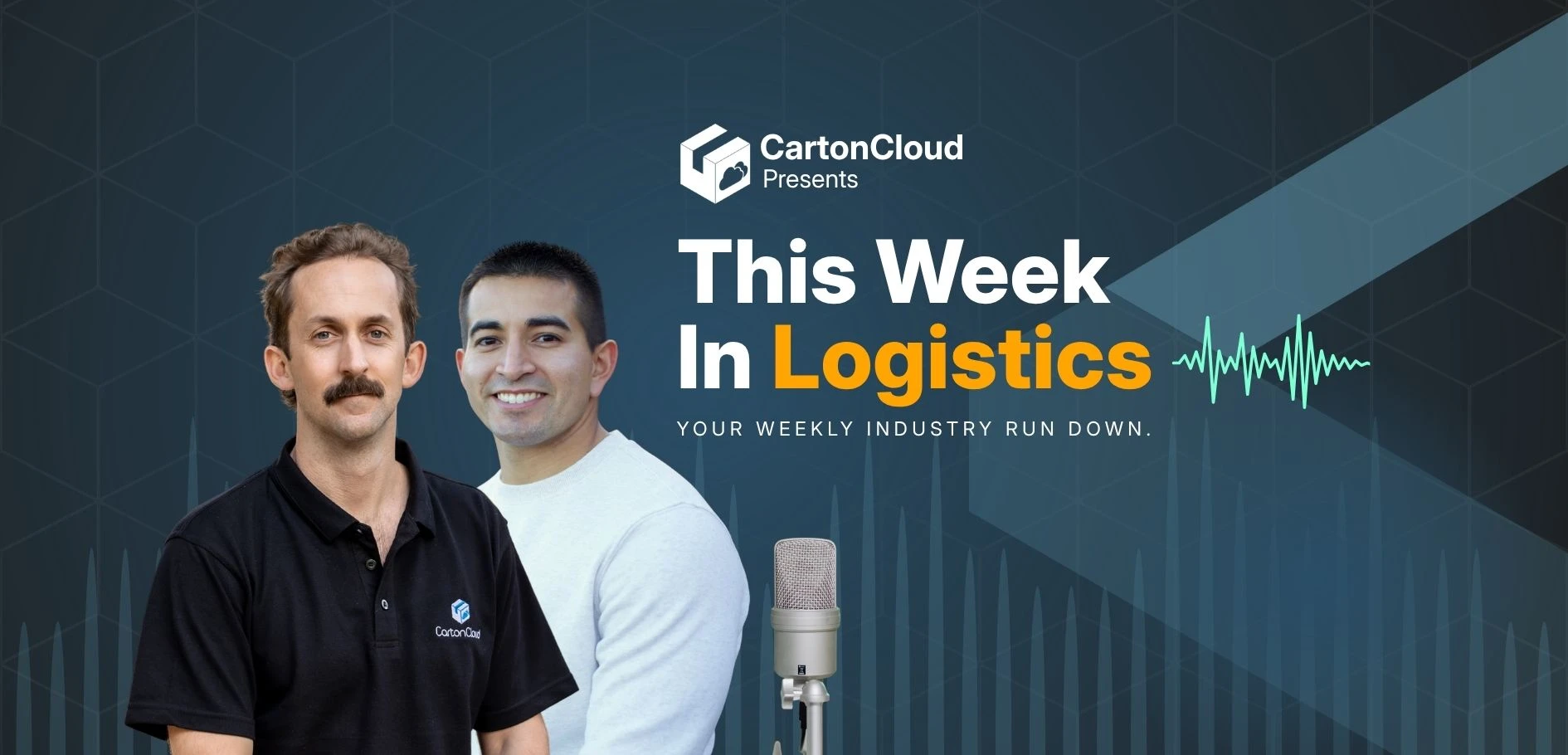
Listen to Episode 7 of This Week in Logistics on Spotify or Apple Podcast to hear the complete breakdown.
See you next week!
FAQ
Q: Why is fuel now considered a supply risk?
A: Fuel is now considered a supply risk because disruption is affecting availability, not just price. In some regions, fuel access and reserve levels are becoming operational constraints, not just cost inputs.
Q: What is “surcharge season”?
A: Surcharge season refers to a period where multiple cost increases are layered across the supply chain, often updated frequently and inconsistently, making pricing harder to manage.
Q: Why are logistics costs harder to track right now?
A: Logistics costs are harder to track in 2026 because different parts of the supply chain are repricing at different times, creating gaps between actual cost and quoted cost.
Q: Is capacity still available in the market?
A: Yes, capacity is still available in the market but reliability is becoming less consistent as carrier economics tighten. Capacity can disappear quickly when it becomes unprofitable to operate.
Q: What should operators focus on right now?
A: Logistic operators should now focus on continuity planning, frequent cost reviews, reliable partners, and tighter operational execution.
Q: How often should surcharge reviews happen?
A: Weekly surcharge reviews are becoming the practical standard in fast-moving cost environments.
Explore the resource hub
Tips, tools, downloadable guides and stories from logistics teams who are working smarter.
This Week In Logistics: When the System Says Forty and the Shelf Says Twelve — How to Close the Inventory Gap, With Special Guest Gaubrielle Pritchard, Director of Product and Customer Marketing, Cin7
.webp)
The CartonCloud Logistics Index 2026: See where your operation stands

Running WMS and TMS Across Multiple Sites in Australia: The Questions We Answered at MegaTrans 2026
CartonCloud Feature Spotlight: July–September 2026
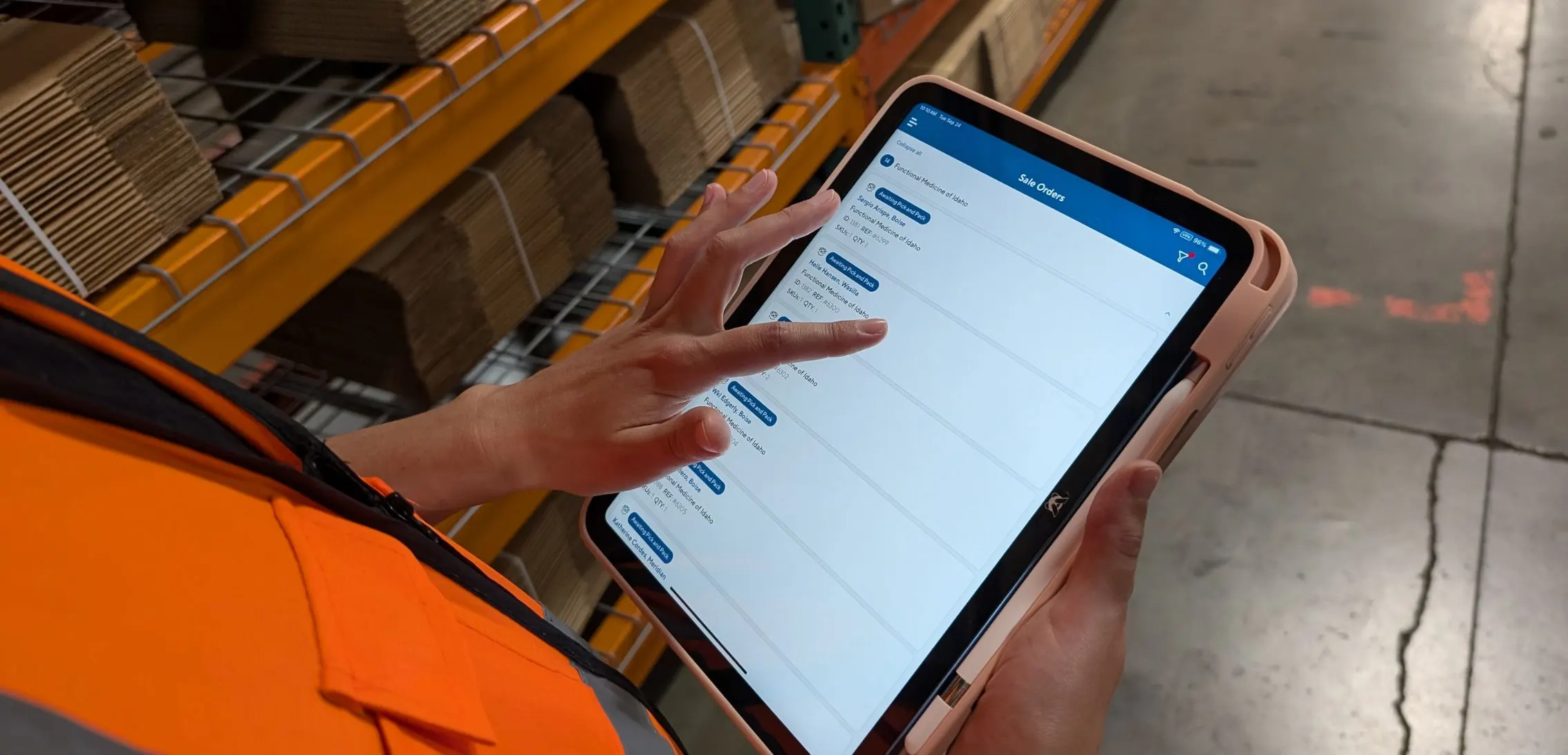
Deposco Alternatives: What Growing 3PLs Should Consider
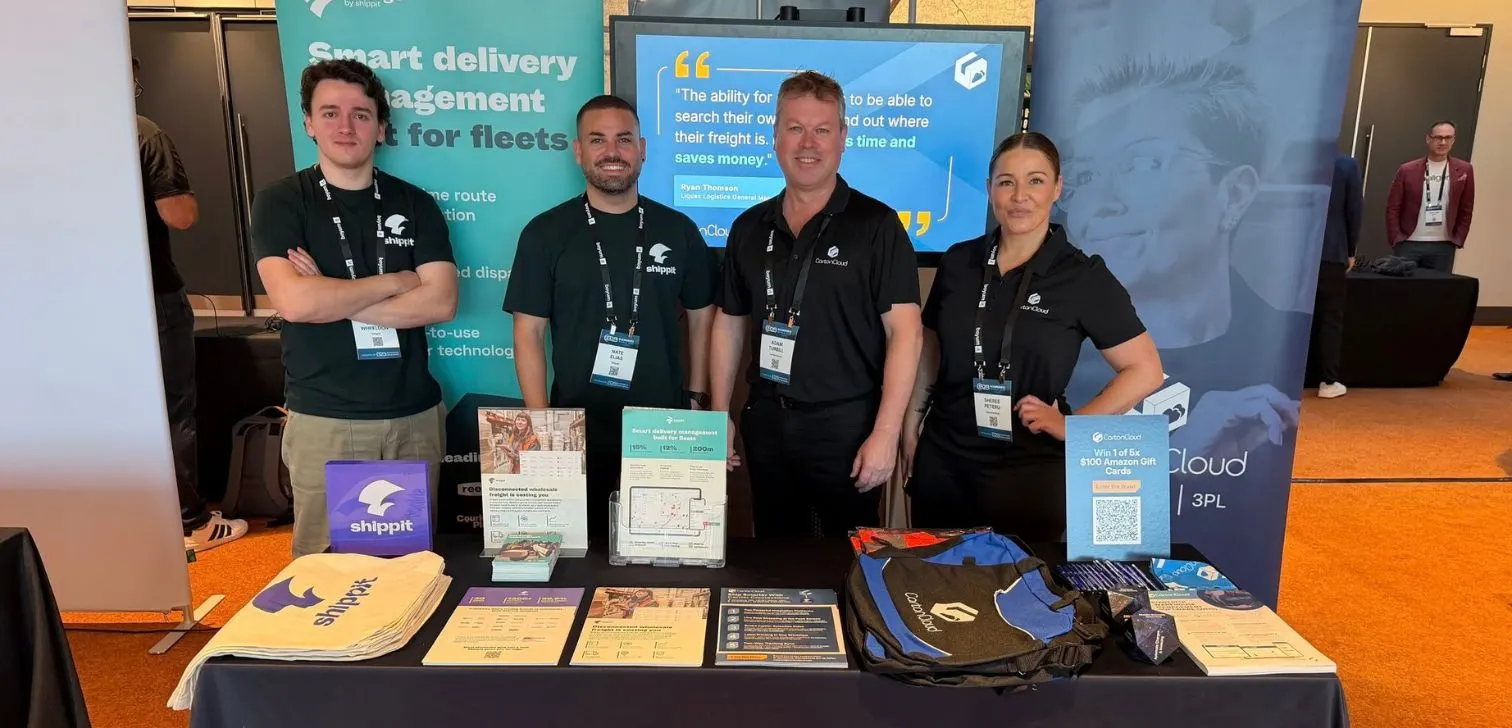
What We Heard at B2B World APAC: Large Brands Want Delivery Visibility, Not Just Warehouse Visibility
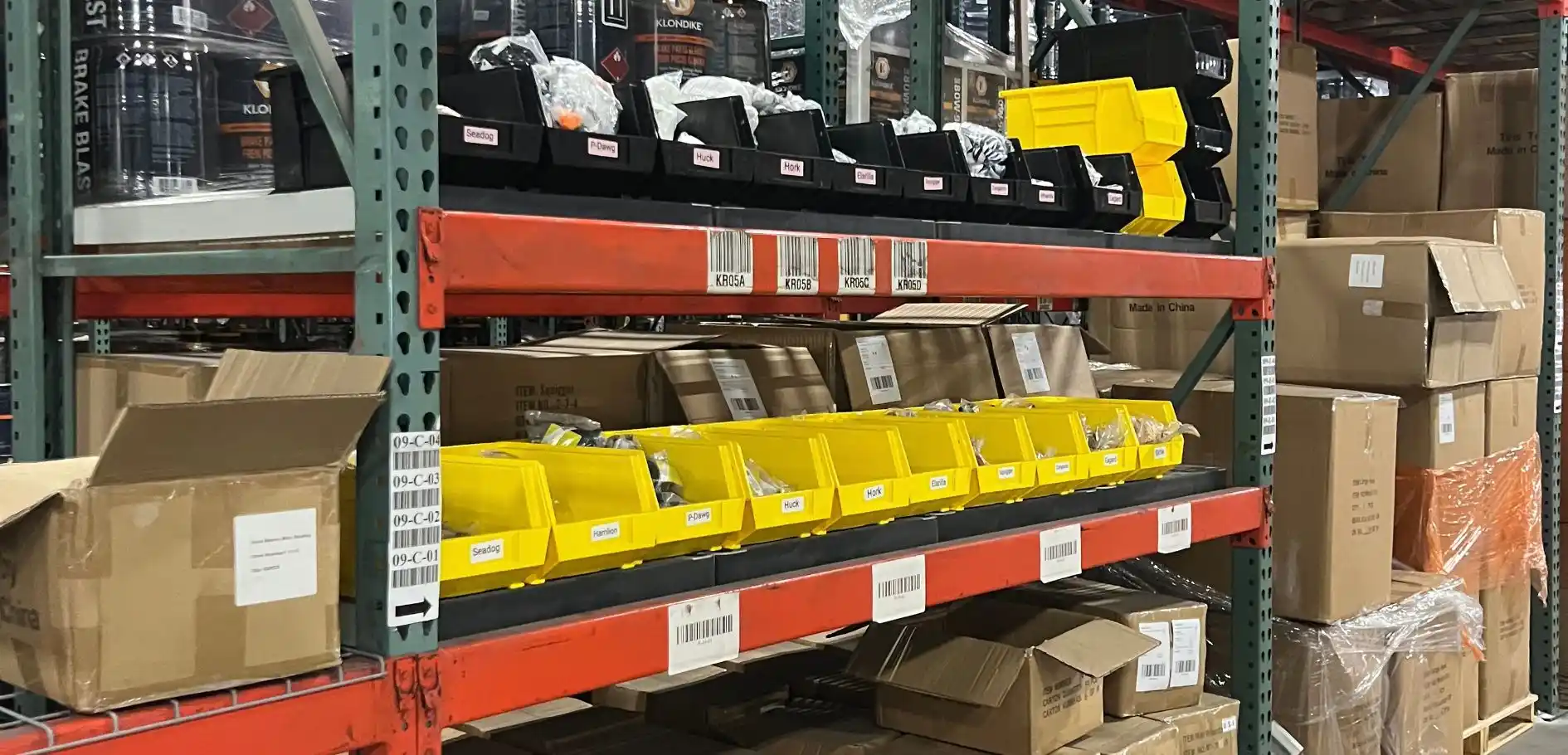
The Fastest WMS to Implement for E-Commerce Fulfillment 3PLs in the USA
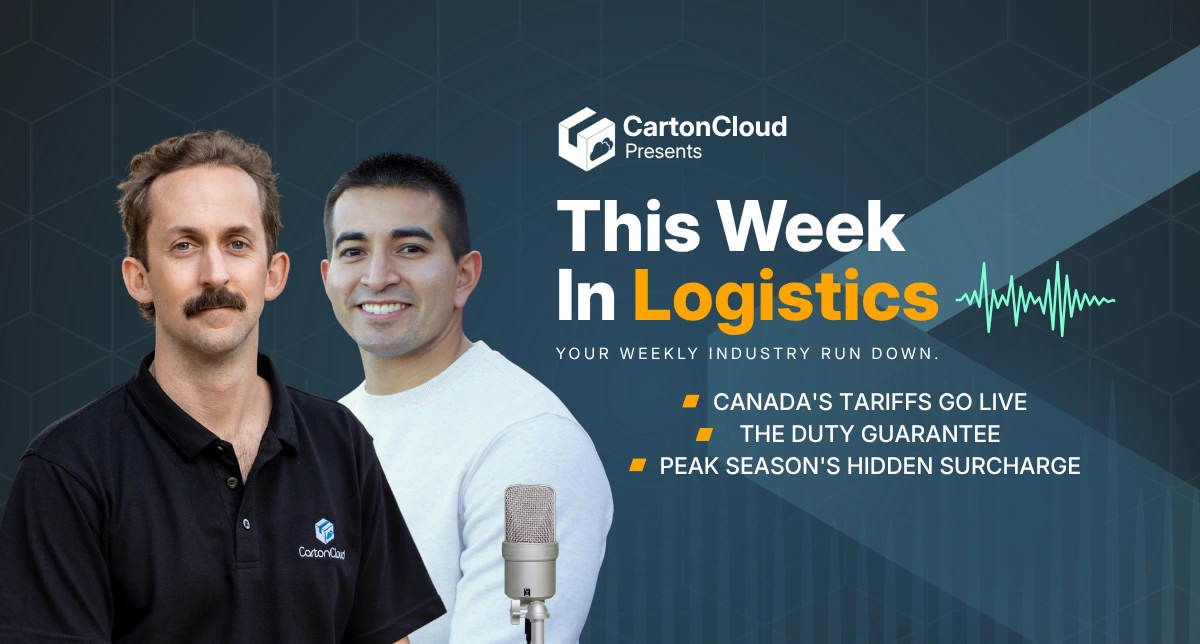
This Week in Logistics: A Cost Rule Peak — Canada's Tariffs Go Live, FedEx Guarantees Your Duties, and Peak Season Surcharges Land
What's the Best WMS for Small 3PLs That Need an Easy Setup?

CartonCloud vs Extensiv: Which Platform Delivers More for 3PLs?
Get a Free, Honest Read on Your Operation, in About Two Minutes

CartonCloud’s Commitment to Security: SOC 2 Type 2 Audit Complete

How to Implement a WMS in Your Small 3PL Business: A Practical Guide
.webp)
This Week in Logistics: Multiple Warehouses, Multiple States, One Standard — How HD Warehousing Does It, With Special Guest Chad Hildebrandt, Owner & COO
August 2026: New Feature Round-Up
Warehouse Software for Cold Storage, Food, and Temperature-Controlled Logistics
This Week in Logistics: Season 2 Returns — US-Canada Tariffs, Oil Volatility, and Panama Canal Cuts All at Once
.webp)
How Do You Know You've Outgrown Basic Warehouse Systems? 7 Signs for Growing US 3PLs
.webp)
CartonCloud Named a 2026 "Great Supply Chain Partner" by SupplyChainBrain
.webp)
Dock Management: How We Built Visibility Into Every Delivery