Is It Worth Upgrading Your 3PL Warehouse Management Software?
A practical look at what growing 3PLs actually gain by moving from a basic or aging system to a full WMS + TMS platform, and how to tell when it is time to switch.
Published:
June 24, 2026
TABLE OF CONTENTS
Upgrading from a basic or aging system to a 3PL platform built for growth pays off in three places: less admin, fewer missed charges, and clients who can see their own stock without calling you.
TL;DR (the short version)
- See how you can give clients 24/7 self-serve visibility, which cuts status-update calls.
- Automate data entry and invoicing, and remove hours of manual admin every week.
- Stop revenue leakage through missed charges with accurate, per-touchpoint rate cards.
- Increase daily capacity with faster picking and smarter use of warehouse space.
- Connect your warehouse and transport under one login.
- The payoff shows up as better client retention and lower overheads.
I'm Javier Hernandez, Implementation Consultant at CartonCloud. I've spent years inside 3PL warehouses, on the floor, talking with operators, and understanding their day-to-day challenges.
Interestingly, the catalyst to upgrade is not because their software is broken. They upgrade because the admin has grown, the team is using workarounds instead of workflows, and the old system can't keep up. Sound familiar?
Moving from a basic warehouse tool or a WMS system you have outgrown to a full 3PL platform with WMS and TMS in one place changes a few specific things in a big way. Here is where operators see the difference and how to tell when the switch is worth it.
What do you actually gain by upgrading your 3PL software?
Total client transparency, around the clock
Your clients log in and see their own inventory levels, full order history, and where stock is held across multiple warehouses, at any time of day. In most cases, that removes the need to call you for an update. A self-serve customer portal gives your team hours back every week that would otherwise go to fielding requests.
Automated data entry + invoicing
Orders flow in from your clients' sales channels or by email, with no manual re-keying. Accounting and invoicing run mostly on their own, which is where the real admin saving sits. When charges are captured from real warehouse and transport activity, automated billing and invoicing cut the hours your team spends rebuilding invoices by hand.
Easier cross-docking + transport
You can allocate jobs in seconds and push them straight to a driver's device. A connected TMS builds delivery runs with digital run sheets and consignment notes, supports GPS tracking, and captures electronic proof of delivery on the spot. Delivery run planning keeps vehicles coordinated without the back-office phone calls.
Less revenue leakage
A full-suite 3PL platform should carry accurate, detailed rate cards for every touch point: receiving, put-away, picking, packing and dispatch, with flexible measurement for pallets, cartons, bags and tiers. That is what lets you invoice clients accurately, without overcharging or undercharging. Learning to automate your rate cards is usually the fastest payback of the whole switch.
Faster, more accurate picking
Efficient picking is the one thing every warehouse keeps trying to improve. Cutting walking and forklift travel time, and reducing how often staff revisits a bin, lifts throughput without adding people. Wave picking lets you release hundreds of orders at once, so your team works in batches instead of one order at a time.
Smarter use of warehouse space
Many 3PLs store more than one SKU per location to make the most of their space, which is common in small and mid-size operations. The better systems let you set rules so items of very similar size, style, and weight are not stored together, protecting accuracy. Tighter inventory control is what makes it safe to do at volume.
How do you know it is time to upgrade your WMS?
You rarely get a single obvious signal. It is usually a few of these at once:
- Admin is growing faster than your headcount. You are adding hours, not clients.
- Charges are slipping. Missed or disputed invoices are becoming normal.
- Clients keep calling for stock updates because they have no way to see it themselves.
- You are running spreadsheets alongside the system to fill the gaps it leaves.
- Onboarding a new client is slow because the system was not built for multi-client work.
- Your team is tied to a desktop, with no mobile scanning on the floor or in the cab.
- You’re reaching out to your software support…with no results.
If this sounds familiar, the cost of staying is usually higher than the cost of switching to a system that actually lets you run your operation.
What to look for when switching 3PL software providers
Not every platform that calls itself a WMS is built for a multi-client 3PL. When you compare options, weigh these:
- WMS + TMS in one platform: warehouse and transport on a single source of truth, not two systems you reconcile by hand
- Usage-based pricing: you pay for what you use and scale as you grow, instead of a licence that jumps every time you win a client
- Fast onboarding: live in days or weeks, not months
- Local support: a team that understands your operation and answers when you call
- Open integrations: connections to the accounting, e-commerce, and carrier systems you already run
- A real mobile app: scanning, picking, and proof of delivery from a phone, tablet, or handheld device.
If you are still deciding whether you need a WMS, an inventory tool, or a full ERP, our guide to choosing between ERP, inventory or WMS breaks down the difference. For a full picture of what a purpose-built option covers, see our 3PL software platform.
"The automated invoicing function is an absolute godsend for us. We don't miss any charges or fees so our revenue goes up, and it all happens automatically." — Emily Harris, Owner, Motus Transport
Motus Transport, a craft beer 3PL, moved off late-night manual invoicing and onto automated rate cards and electronic PODs. You can read Motus Transport's story for the full before-and-after.
What this means for operators
The upfront cost of a premium platform is real, and it is fair to weigh it carefully. But the dividends are not vague. There are fewer admin hours, fewer missed charges, faster picking, and clients who stay because the service is better. For most growing 3PLs, that is where the upgrade pays for itself.
If you are weighing up a switch, the clearest way to judge it is to see your own workflows mapped into a platform built for 3PLs. Book a free demo, and we will show you how CartonCloud would handle your operation.
Updated June 2026.
FAQ
Q: Is it worth upgrading your 3PL warehouse management software?
A: Upgrading is worth it when admin, missed charges, or client requests are growing faster than your team can absorb. A full WMS + TMS platform recovers its cost through less manual work, more accurate billing, and stronger client retention. The upfront spend is higher, but the long-run saving is usually larger.
Q: We're a growing 3PL drowning in admin. What do we actually gain by switching to a full 3PL platform?
A: You gain automated order entry and invoicing, accurate rate cards that capture every charge, and a self-serve client portal that stops the update calls. Most operators redirect the hours saved into taking on more clients, rather than hiring just to keep up with paperwork.
Q: How long does it take to switch 3PL software providers?
A: Switching time depends on your data and workflows, but a system built for 3PLs gets most operators live in days or weeks, not months. Guided onboarding from logistics specialists, plus mobile apps your team learns in hours, keeps the changeover from disrupting daily operations.
Q: Will upgrading my WMS disrupt my current operations or clients?
A: A planned migration limits disruption. Client data is set up once, workflows are configured before go-live, and your team trains on mobile apps in hours. Most clients notice the upgrade only through better service: a portal to check stock, accurate invoices, and faster delivery confirmation.
Q: What features separate premium 3PL software from a basic system?
A: Premium 3PL software combines WMS and TMS in one platform, with per-client rate cards, automated invoicing, a customer portal, multi-warehouse stock control, and a mobile app for scanning and proof of delivery. Basic systems usually track inventory only, leaving billing, transport and client visibility to spreadsheets.
Explore the resource hub
Tips, tools, downloadable guides and stories from logistics teams who are working smarter.
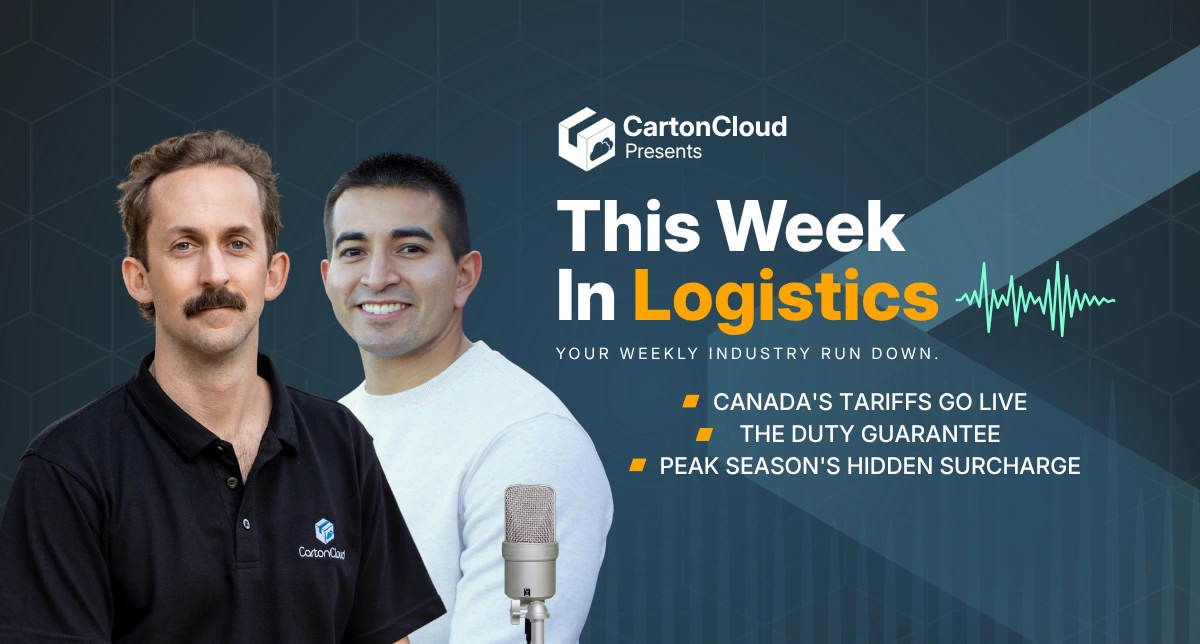
This Week in Logistics: A Cost Rule Peak — Canada's Tariffs Go Live, FedEx Guarantees Your Duties, and Peak Season Surcharges Land
What's the Best WMS for Small 3PLs That Need an Easy Setup?

CartonCloud vs Extensiv: Which Platform Delivers More for 3PLs?

Get a Free, Honest Read on Your Operation, in About Two Minutes

How to Implement a WMS in Your Small 3PL Business: A Practical Guide
.webp)
This Week in Logistics: Multiple Warehouses, Multiple States, One Standard — How HD Warehousing Does It, With Special Guest Chad Hildebrandt, Owner & COO
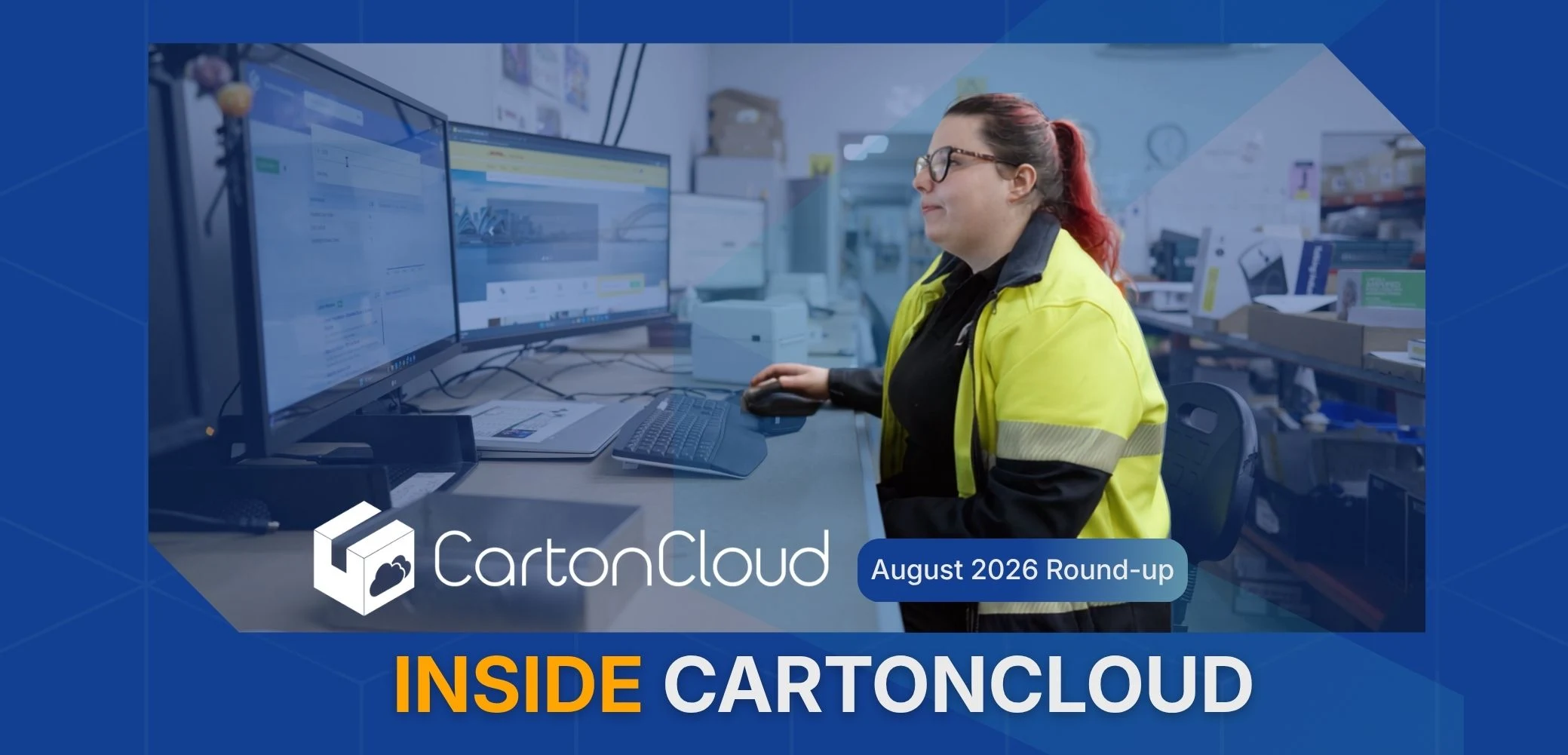
August 2026: New Feature Round-Up
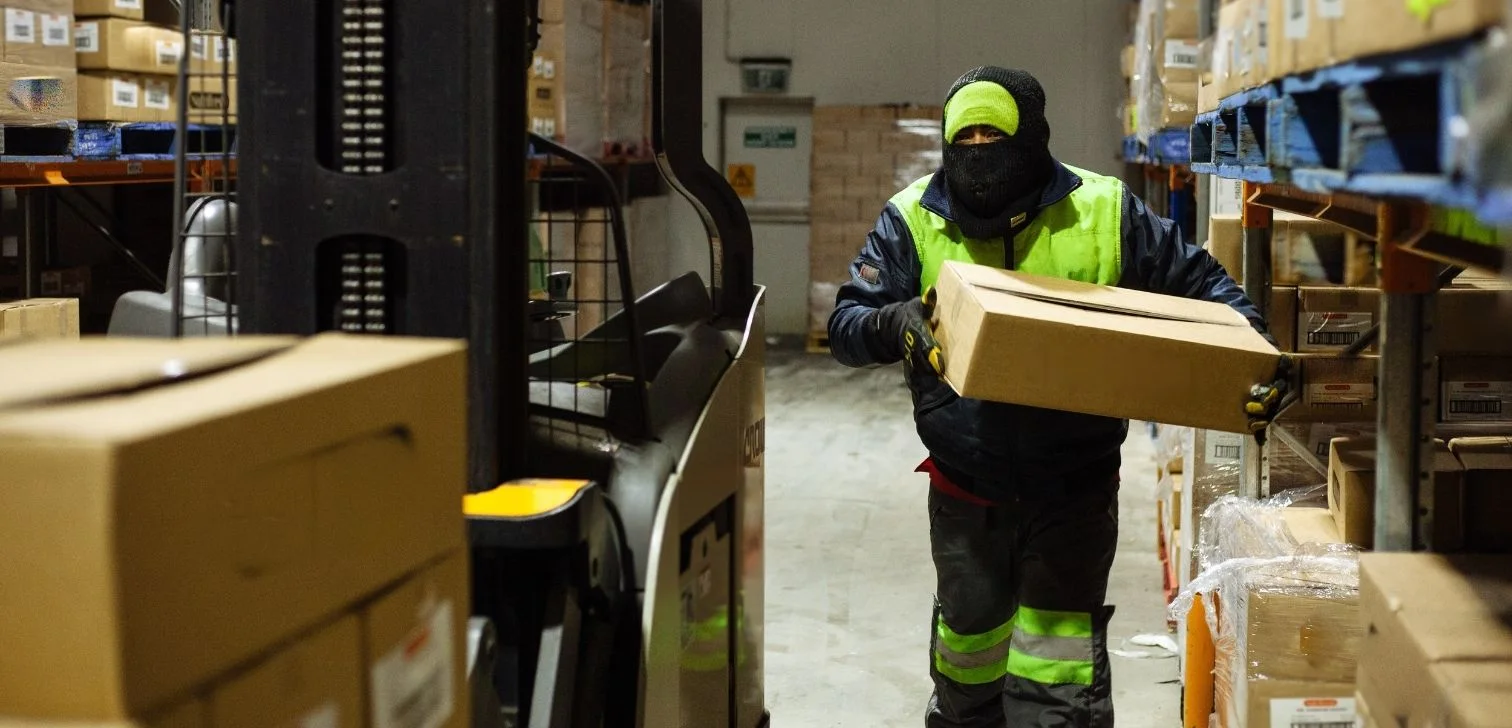
Warehouse Software for Cold Storage, Food, and Temperature-Controlled Logistics
This Week in Logistics: Season 2 Returns — US-Canada Tariffs, Oil Volatility, and Panama Canal Cuts All at Once
.webp)
How Do You Know You've Outgrown Basic Warehouse Systems? 7 Signs for Growing US 3PLs
.webp)
CartonCloud Named a 2026 "Great Supply Chain Partner" by SupplyChainBrain
.webp)
Dock Management: How We Built Visibility Into Every Delivery
.webp)
July 2026 — New Feature Round-up

What US 3PL Operators Really Say About Switching From Slow, Complex WMS Alternatives

CartonCloud vs Competitors: An Honest Comparison from an Implementation Specialist
.webp)
Running Multiple Sites from One WMS System: How HD Warehousing Scaled Without the Complexity
.webp)
This Week in Logistics: The Operator Playbook
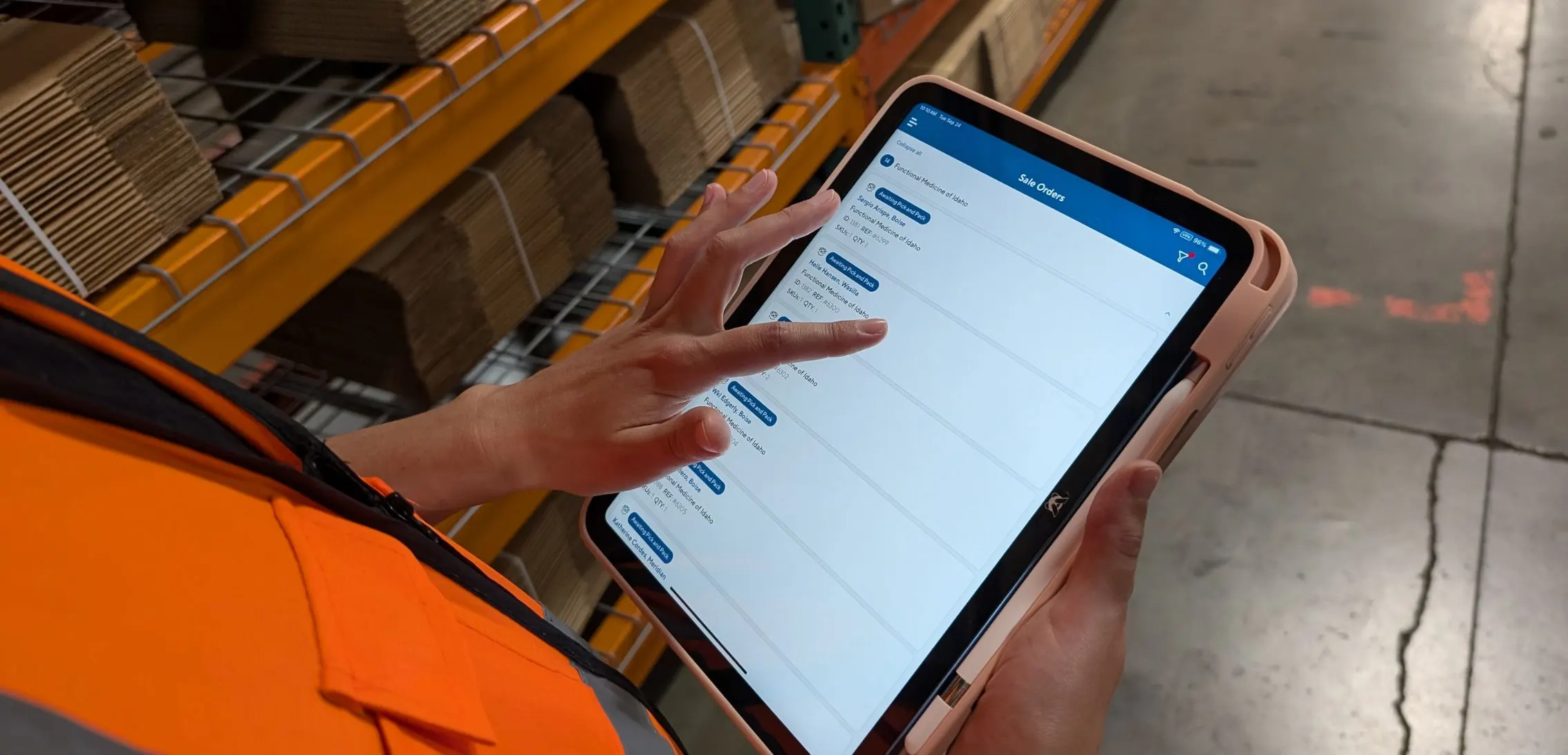
Deposco Alternatives: What Growing 3PLs Should Consider
CartonCloud Feature Spotlight: April-June 2026
.webp)
3PL Software Pricing: What You're Actually Paying For (And How to Compare It)