This Week in Logistics: Where the Industry Is Heading — and Why That’s Good News for Operators
There’s no shortage of headlines in logistics right now. AI breakthroughs. Robotics demos. Trade rulings. Stock volatility. When you strip away the noise, what’s actually happening in the industry is something far more encouraging. Join me for the first episode of This Week In Logistics as we unpack how to turn these global shifts into a competitive advantage for your 3PL or warehouse operation.
Published:
February 27, 2026

TABLE OF CONTENTS
There’s no shortage of headlines in logistics right now.
AI breakthroughs. Robotics demos. Trade rulings. Stock volatility. When you strip away the noise, what’s actually happening in the industry is something far more encouraging.
Join me for the first episode of This Week In Logistics as we unpack how to turn these global shifts into a competitive advantage for your 3PL or warehouse operation.
TL;DR: In this debut episode of This Week in Logistics, I unpack three major signals shaping the industry right now: what I saw on the ground at Manifest in Las Vegas, the recent AI-driven shock to logistics stocks, and the US Supreme Court ruling on tariffs — and what it could mean for logistics operators moving forward.
Listen to the full podcast below!
From Hype to Deployment: Insights from Manifest 2026
I recently returned from Manifest in Las Vegas, where I spent a few days with the team exploring what’s genuinely driving the industry forward, and there was a lot to take in.
In the past, the conversations were often theoretical — mostly about what AI and automation might be capable of someday. This time, the focus was practical implementation. The winning vendors weren't just pitching potential; they were talking about active deployments.
From drones scanning packages in real time to robotic arms picking and packing boxes with impressive precision, the level of innovation on display was impressive. Our Co-founder and CPO, Vincent, even got hands-on with several new picking systems to see how they’d actually hold up in a high-pressure, fast-paced warehouse environment (you can check out some of the cool innovations we saw below!).
What stood out to us wasn't just the "cool factor" of the tech — it was the speed at which these systems are being rolled out.
From an operator's lens, three key shifts are redefining the landscape:
- Modular, Not Massive: We’ve moved past the era of the three-year "grand transformation" roadmap. Today’s robotics are modular, designed to be layered over your existing processes without tearing down the racks.
- Solving for Real Stress: The most successful solutions weren't promising "lights-out" automation. Instead, they’re focusing on solving the constraints we’re dealing with every day: labour reliability, smoothing out peak period spikes, and maintaining consistent throughput.
- Ready for 3PLs: Robotics are no longer "beta" tests; they are commercial-grade systems implemented to solve the specific margin pressures and volume spikes that 3PLs are facing right now.
The Bottom Line: Manifest 2026 made one thing clear — the "wait and see" period is over. We’ve moved from the era of digital experimentation into the era of operational execution. Success no longer belongs to those with the most ambitious five-year plans, but to the operators integrating smart, modular tech today to build a resilient business for tomorrow.

The AI Stock Shock
Something very interesting happened last week: a single AI announcement triggered a sharp sell-off across logistics and automation stocks. Investors reacted instantly, and while that kind of market volatility can look alarming on a screen, it actually tells us something vital about where we are heading.
Markets are currently trying to price the future of logistics execution. Whenever a new AI capability suggests it could displace traditional workflows — like forecasting, pricing, or optimisation — investors move fast. But here is the operator lens: stock volatility is not the same as operational change.
AI will undoubtedly reshape logistics, but it won’t flip a switch overnight. What we saw at Manifest reinforces this reality. The "winners" in this space aren’t building generic, flashy AI; they are embedding domain-trained intelligence directly into the execution tools you use every day, such as inside your WMS, TMS, exception workflows, as well as compliance automation.
When intelligence lives inside the system, it doesn't add complexity; it simply makes the right decision easier to reach.
The key theme I’m seeing right now across the industry is this: technology is becoming less about adding more dashboards and more about simplifying execution to give better signals, faster insights, smarter sequencing, and clearer exception handling.
Turning Trade Volatility into an Opportunity
While technology continues to evolve, policy still plays a critical role in shaping freight flows.
Just last week, the landscape shifted significantly as the U.S. Supreme Court struck down a series of major emergency tariffs. For years, these duties have dictated cross-border pricing, carrier routing, nearshoring strategies, and inventory positioning. Their sudden removal doesn’t just change the math; it marks the beginning of a massive period of trade recalibration. While a shift this abrupt can feel disruptive, history shows that for operators who can adapt, volatility is often an opportunity in disguise.
What this means for your operations in the short term:
- Renegotiation Cycles: Trade policy changes don’t create instant clarity; they create a need to talk. Expect a wave of contract discussions as the market searches for a new "equilibrium" price point.
- Contract & Landed Cost Reviews: Shippers will be reassessing their landed costs immediately. To stay competitive, 3PLs must be proactive in revisiting pricing structures to ensure they align with these new bottom-line realities.
- Cross-Border Fluidity: Keep a close eye on the US–Mexico and US–Canada corridors. As the legal dust settles and previous trade barriers dissolve, we expect to see significant and rapid shifts in volume flows.
The Verdict: Flexibility Wins
Periods of change like this reward the agile. They favor businesses with integrated systems, clean data, and the ability to model "what-if" scenarios in minutes, not weeks.
Our industry is now far better prepared for this recalibration than it was five years ago. With more mature cloud-based systems and real-time visibility, the operators who respond with speed and data-backed confidence are the ones who can own the next 12 months.
The Next Frontier: From Visibility to Orchestration
One of the most encouraging takeaways from Manifest wasn't about any single piece of hardware — it was the shift toward orchestration.
For a long time, the goal was "visibility"— just being able to see inventory and order status in real-time. That’s now become the standard. The next step is orchestration: systems that don't just show you what’s happening, but help you decide what should happen next.
This means:
- Dynamic Re-sequencing: Your system automatically shifting tasks when priorities change.
- Automated Responses: Yard data triggering dispatch decisions or exceptions triggering immediate re-routing.
- Protecting Your Margin: Using automated adjustments to keep things moving and protect your bottom line without needing manual intervention at every step.
This shift reflects a deeper maturity in the industry. We’re moving from monitoring to managing, from observing to optimising.
Your Roadmap: What to Prioritize in the Next 6–12 Months
If you’re currently running a 3PL or warehouse operation, here is where I would be focusing my energy over the coming months to turn these industry shifts into a competitive advantage:
- Chase Constraints, Not Hype: Don’t automate for the sake of having a robot. Find your biggest operational bottleneck — the thing that keeps you up at night — and automate there.
- Integrate Before You Automate: A fancy new tool is only as good as the system it talks to. Disconnected tools create friction; ensure your foundation is integrated so data flows seamlessly.
- Embed AI Directly into Workflows: Skip the extra dashboards. If you’re looking at AI solutions, ensure they live where your team already works. If it isn't part of the daily workflow, it won't scale.
- Prepare for Trade Volatility: With the recent Supreme Court rulings, scenario planning matters again. Dust off those models and ensure you’re ready for shifts in corridors and pricing.
- Invest in Orchestration Capability: The future of logistics isn't about collecting more data; it’s about smarter execution. Invest in systems that help you orchestrate your next move automatically.
Key Takeaways
- Practicality over Pilots: We’ve officially moved past the "science project" phase of logistics technology. At Manifest 2026, the focus shifted from what robotics might do to how modular, ready-to-deploy systems are solving labor and throughput constraints for 3PLs right now.
- Embedded Intelligence is the Winning Strategy for AI: The real value of AI isn't in a standalone tool or a new dashboard; it’s in embedded intelligence — AI that lives inside your WMS and TMS to make daily execution and exception handling faster and more accurate.
- Agility is Your Best Defense Against Volatility: The Supreme Court’s tariff ruling proves that trade policy still dictates freight flows. As we enter a period of trade recalibration, the operators who win will be those with the data and system flexibility to model new scenarios and pivot their strategies in real-time.
Want to know more?
Interested in the full breakdown?
Listen to Episode 1 of This Week in Logistics here to hear the complete discussion, and join me next week as we continue exploring the signals shaping logistics in 2026.
See you in the next one!
Post by Shaun Hagen, CEO CartonCloud.
Explore the resource hub
Tips, tools, downloadable guides and stories from logistics teams who are working smarter.

Running WMS and TMS Across Multiple Sites in Australia: The Questions We Answered at MegaTrans 2026
CartonCloud Feature Spotlight: July–September 2026
Deposco Alternatives: What Growing 3PLs Should Consider
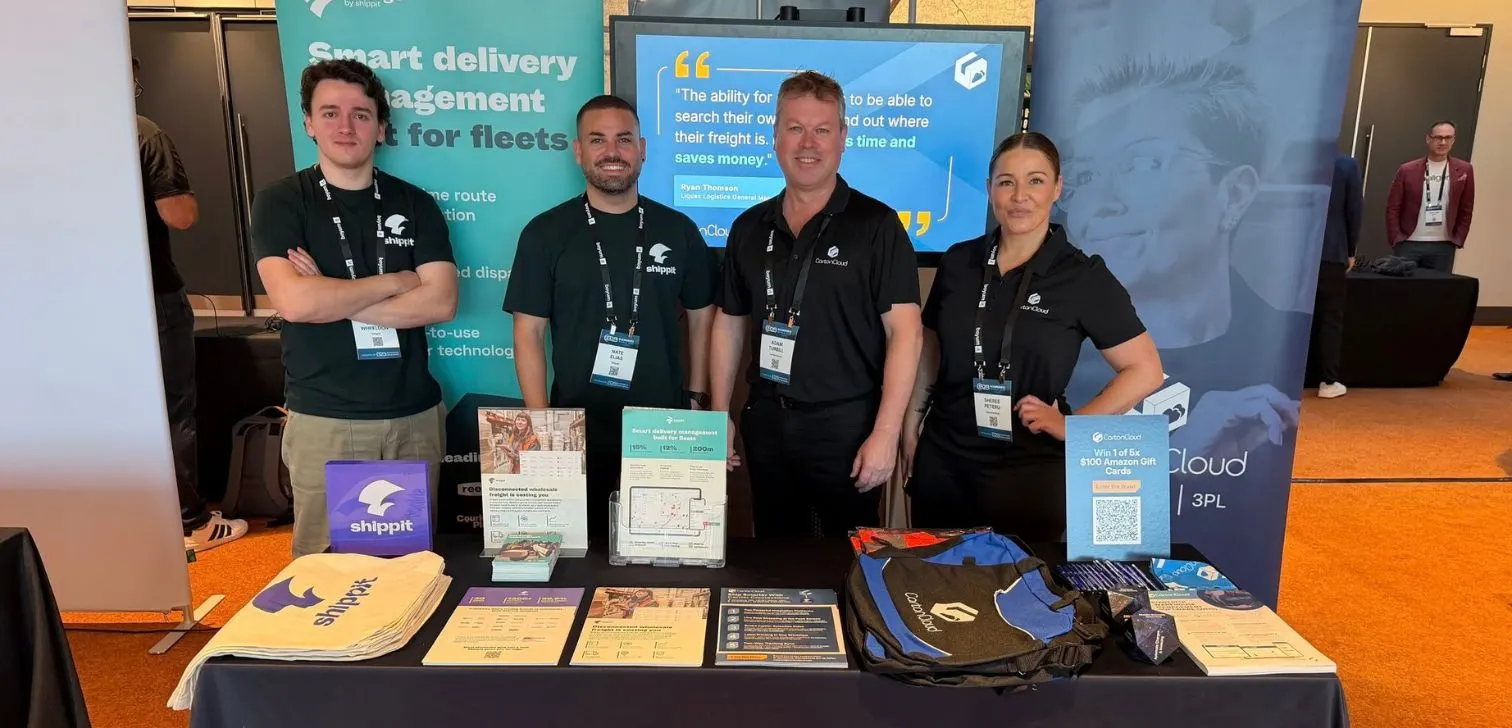
What We Heard at B2B World APAC: Large Brands Want Delivery Visibility, Not Just Warehouse Visibility
The Fastest WMS to Implement for E-Commerce Fulfillment 3PLs in the USA

This Week in Logistics: A Cost Rule Peak — Canada's Tariffs Go Live, FedEx Guarantees Your Duties, and Peak Season Surcharges Land
What's the Best WMS for Small 3PLs That Need an Easy Setup?

CartonCloud vs Extensiv: Which Platform Delivers More for 3PLs?

Get a Free, Honest Read on Your Operation, in About Two Minutes

CartonCloud’s Commitment to Security: SOC 2 Type 2 Audit Complete
How to Implement a WMS in Your Small 3PL Business: A Practical Guide
.webp)
This Week in Logistics: Multiple Warehouses, Multiple States, One Standard — How HD Warehousing Does It, With Special Guest Chad Hildebrandt, Owner & COO
August 2026: New Feature Round-Up
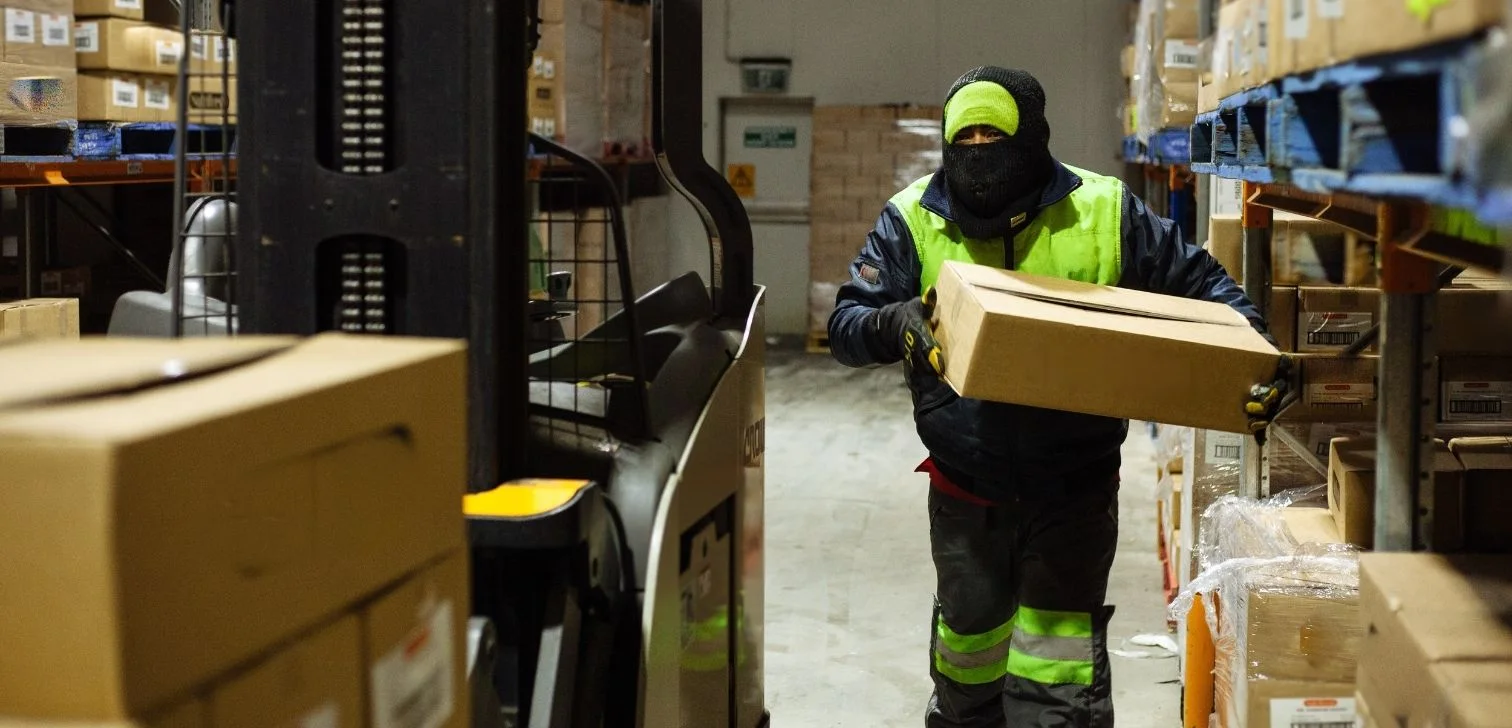
Warehouse Software for Cold Storage, Food, and Temperature-Controlled Logistics
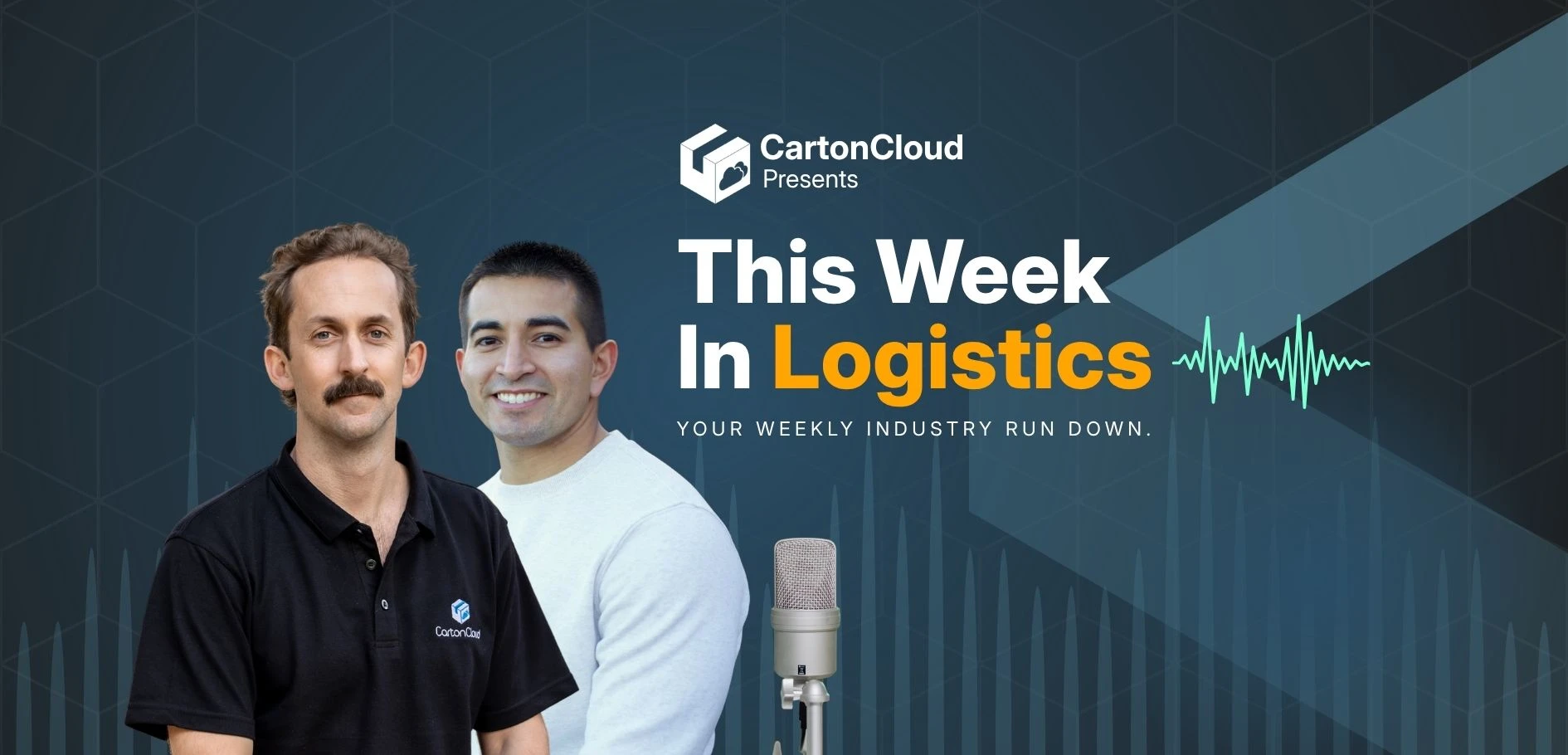
This Week in Logistics: Season 2 Returns — US-Canada Tariffs, Oil Volatility, and Panama Canal Cuts All at Once
.webp)
How Do You Know You've Outgrown Basic Warehouse Systems? 7 Signs for Growing US 3PLs
.webp)
CartonCloud Named a 2026 "Great Supply Chain Partner" by SupplyChainBrain
.webp)
Dock Management: How We Built Visibility Into Every Delivery
.webp)
July 2026 — New Feature Round-up

What US 3PL Operators Really Say About Switching From Slow, Complex WMS Alternatives