This Week in Logistics: How Do You Deliver an Amazon-Like Experience as a Non-Amazon Retailer? In Conversation with Shippit
CartonCloud CEO Shaun Hagen and Shippit Co-CEO & Co-Founder Rob Hango-Zada unpack what it actually takes for non-Amazon retailers and 3PLs to deliver an Amazon-like experience, and why most of the delay sits in the warehouse, not the carrier.
Published:
June 3, 2026
TABLE OF CONTENTS
Delivering an Amazon-like experience without Amazon's infrastructure comes down to four things:
- Speed at the warehouse layer
- End-to-end inventory visibility before the customer clicks buy
- A connected tech stack that surfaces real-time capacity
- A delivery proposition designed around customer loyalty rather than absorbed as a cost line
None of it is easy. All of it is doable — and the retailers getting it right are already pulling ahead.
— TL;DR — The short version
- Amazon has reset the delivery benchmark for retailers and 3PLs, and the expectation isn't going away.
- Most delivery delays sit upstream in the warehouse, not in the carrier network. Rob Hango-Zada calls it the fulfillment bottleneck.
- The retailers winning on delivery are picking, packing, and shipping within five minutes of checkout.
- Three things have to be in place before speed: inventory visibility before checkout, pick-pack-ship velocity, and a connected tech stack.
- Not every retailer needs to match Amazon. You need to match your delivery proposition to your customers, your proximity, and your purchase frequency.
- The next frontier is the connected supply chain, with real-time capacity, dynamic pricing, and tech that finally talks to itself.
Almost every retailer in 2026 is being measured against Amazon, and almost none of them can actually match it. The Amazon-like experience — same-day, fully tracked, accurate to the minute — has crossed out of e-commerce and into B2B. Pallet buyers want it. Bulky-goods customers want it. The retailer running the checkout page knows they're being benchmarked against an expectation Amazon spent twenty years and billions of dollars building.
So where do you start when you're not Amazon?
This Week in Logistics, I sat down with Rob Hango-Zada, Co-Founder and Joint-CEO of Shippit, to unpack what's really happening behind the Amazon-like delivery expectation that's now landing on every retailer's checkout page. Powering around 100 million deliveries a year, Shippit sits in between retailers and carriers, which means Rob and the team get a view of where this expectation lands and where it actually breaks down — and it's almost never where retailers think.
Between us, we cover:
- Why the Amazon expectation has crossed from B2C into B2B, and what's really driving the shift
- Where the real delivery delay sits, and why most retailers are blaming the wrong layer
- The three things retailers need to get right before chasing delivery speed
- How to build a delivery proposition when you're not Amazon, and where the connected supply chain is heading next
An interesting expert angle; Rob says what 3PL operators need to remember is that the whole conversation wasn't about carriers at all. It's about a three-day gap that sits inside the retailer's own operation, and it's the bit most teams underinvest in. Let’s dive in.
Why "Amazon-like delivery" just became every retailer's problem: It's not a speed problem. It's a reliability one.
This isn't a new thread for us. We've been pulling on it across the show for months, as the situation unravels. Most recently, CartonCloud Vice President of Operations Scott Murray, dug into Home Depot's next-day delivery push for bulky goods like lumber and flooring — freight that never used to be in the same conversation as parcels.
The takeaway from Scott's piece, and from this conversation with Rob, is the same: the question has shifted from "how fast can you deliver?" to "how reliable are you?"
Rob's framing landed hard:
"There's a saying: 'The last best experience is your next expectation.' If I can order a burger on Uber Eats and get it delivered to my mouth within 30 minutes, why can't I do that with a pair of socks or a pallet of goods I'm going to sell tomorrow?" — Rob Hango-Zada, Shippit
I told Rob on the show that I actually blame Domino's for this:
"You buy a $10 pizza, you get a photo of it coming out of the oven, and you can just about track the heart rate of your driver live. No wonder people start expecting more for a pallet of frozen seafood." — Shaun Hagen, CartonCloud
What's changed is the cross-over. The expectations consumers built buying a $50 t-shirt now show up when they buy a $5,000 pallet of goods. Pallet buyers expect the same tracking certainty as parcel buyers. Retailers and 3PLs are competing against that benchmark whether they signed up for it or not. As I put it to Rob:
"We're seeing that ‘e-commerce expectation’ bleed into B2B. If your expectations are set by buying a $50 t-shirt, when you buy a $5,000 pallet of goods, you expect something comparable in terms of visibility and delivery timeframes." — Shaun Hagen, CartonCloud
The harder bit, as Rob put it, is that consumers expect that Amazon-like experience from every retailer — and they don't want to pay for it. That puts every non-Amazon retailer in an awkward position. Match the experience without matching Amazon's economics, or watch loyalty erode.
The piece most retailers miss is that "Amazon-like" isn't really about delivery speed. It's about predictability of data. Amazon knows where every unit of inventory is, in real time, before the customer hits buy. The delivery promise on the checkout page is grounded in something verifiable, not a best-guess SLA. That's the part most retailers are nowhere near, and it's the foundation everything else gets built on.
Actionable takeaway: For 3PLs supporting e-commerce clients, this isn't optional reading. The retailer you serve is being measured against Amazon by their own customers. Your operation is the layer that makes or breaks that comparison.
Where the real delivery delay sits for 3PLs: the fulfilment bottleneck
In some ways, I think this was the most underappreciated insight in the whole conversation, and it's worth quoting Rob in full because it changes how you think about delivery.
"There's a gap between what a retailer articulates as their delivery proposition on a checkout page versus their actual capability. A page might say, 'If you order now, you'll get it within 5 to 7 business days'. But when you look at the data, the courier companies are actually delivering it in under two business days from the time they collect.
This vast disconnect of around three days of transit is sucked into what we call the fulfillment bottleneck, largely because we're working around rigid, traditional business hours for couriers." — Rob Hango-Zada, Shippit
The carrier is delivering in under two business days. The retailer is quoting five to seven. The three-day gap is upstream, in the retailer's own operation, not in the carrier network.
Where the gap actually lives in warehouse to doorstep operations:
- Rigid workflows built around business hours that don't match how e-commerce runs.
- Unclear or unenforced SLAs across pick, pack, and dispatch.
- Disconnected systems that don't pass order data through cleanly.
- Manual fulfilment processes that turn order management into what Rob calls a "spaghetti monster".
For 3PLs, this is where your operational reputation gets made or lost. Speed at the warehouse layer is the lever most operators underinvest in.
What is the fulfillment bottleneck?
The fulfillment bottleneck is the gap between when a customer clicks buy and when the order is actually handed to a carrier. Most delivery delays sit in this upstream layer, not in the carrier network. The fix is operational speed in the warehouse: connected systems, clear SLAs, and workflows designed around how e-commerce actually runs.
The three things retailers + warehousing need to get right before they can deliver at speed
When you break down what an "Amazon experience" actually means, fast delivery is the easy part. As Rob put it, finding a carrier who can do same-day or next-day at an economical price is not the hard work. The hard work is everything upstream.
- Inventory visibility before checkout
- The customer needs to know what's in stock, at which warehouse, and when it can be delivered, before they hit buy.
- This is where most retailers fall down. Without real-time inventory management across locations, "fast" is a guess at best and a broken promise at worst.
- Rob's point: some retailers don't actually know where their inventory is until after a purchase is made. That's not a delivery problem. It's a foundation problem.
- Pick-pack-ship velocity at the warehouse layer
- Five-minute pick-to-dispatch is no longer aspirational for serious e-commerce operations. It's becoming the bar for retailers building loyalty programs around delivery.
- Rob pointed to Petbarn as a live example. They invested in a long-term strategy with Shippit and, in his words: "They can now pick, pack and ship an order within five minutes of it being placed at their checkout. That reliably builds trust." That draws on their entire store network and a service-led culture.
What does this mean for 3PL operators? Pick-pack-ship optimization is a 3PL operational discipline, not a carrier feature. It sits squarely in the WMS layer.
- A connected tech stack that actually talks to itself
- Point-of-sale, inventory management, WMS, TMS, carrier integrations. If these systems are siloed, the customer experience is siloed.
- Rob's read on retailers exploring big ERP overhauls is worth remembering: before you reinvent, blow the dust off the user manuals on what you already have. A lot of capability is sitting unused.
- His specific advice — and this is the "easy win" most operators miss — is to "challenge your vendors, your SIs, or your internal teams" to see how the systems you already own can be made to talk to each other. The easy win is surfacing the data already in your network, not rebuilding the network.
- Then connect what you've got. The connected supply chain isn't about ripping and replacing. It's about getting your systems to surface what they already know.
I made the point on the show and I'll make it again here. Technology amplifies a good operation. It doesn't fix a broken one. Start with the operation. Then connect the tech.
"Technology amplifies a good operation, it doesn't fix a broken one." — Shaun Hagen, CartonCloud
How to build your own delivery proposition (when you're not Amazon)
This is the part most retailers and 3PLs skip. They look at Amazon, decide they can't match it, and either give up or chase a model that doesn't fit their business.
Rob's framework here was the cleanest I've heard. Two questions every retailer needs to answer:
- Proximity to customer. How close are your dispatch locations to where the order needs to land?
- Frequency of purchase. How often does the same customer buy from you?
The answers determine your delivery proposition. If you sell ovens, frequency is low and the purchase decision isn't about cheap delivery. It's about reliability. If you sell fruit and vegetables, it's entirely about speed, certainty, and repeatability of purchase.
Most retailers build a delivery proposition by copying competitors. The retailers winning build one by matching their proximity and their purchase frequency to what their customer actually values. That's a much more useful starting point than "how do we be more like Amazon."
One observation I made on the show, and that's worth pulling up here:
"In B2B, speed is being matched with convenience. Consumers can be a little more flexible about their expectations if they have more certainty — like picking a specific afternoon they'll be home versus just wanting the absolute fastest delivery." — Shaun Hagen, CartonCloud
That's the part most retailers miss when they think speed is the only lever. Certainty often beats raw speed in the customer's actual decision. And that connects directly back to what Scott Murray said in his piece on Home Depot's delivery push: most 3PLs aren't trying to match the scale of enterprise retailers. The goal is to match the experience. That comes down to how well you execute day to day, not how much you can spend on the network.
The other piece is how you treat delivery as a cost line. Rob's reframe here is the question that should be in every CFO's head:
"How do you treat delivery spend as an investment in customer loyalty?" — Rob Hango-Zada, Shippit
His read:
- In B2B, the default habit is to pass delivery cost onto the receiver.
- In consumer, the default is the opposite, and the cost gets absorbed.
- Either way, a highly reliable, fast delivery experience drives repeat purchase. It belongs in the same budget category as your loyalty program or your marketing spend.
If you treat delivery spend as an investment in customer loyalty rather than a cost line to minimise, it unlocks a different set of decisions.
What this means for your operation
Speed at the warehouse layer is the single biggest lever most retailers and 3PLs underuse. If you're a 3PL, closing the fulfillment bottleneck for your customers is your strongest competitive advantage in 2026. If you're a retailer, the question isn't whether your customers expect Amazon-like delivery. It's whether your operation is built to deliver it reliably, every time.
If you'd like to see how CartonCloud closes the fulfillment bottleneck for 3PLs and in-house logistics teams, book a free demo.
FAQ
Q: How can a non-Amazon retailer offer same-day or next-day delivery?
A: Non-Amazon retailers can offer same-day or next-day delivery by closing the fulfillment bottleneck — the gap between checkout and dispatch. That means real-time inventory visibility before purchase, five-minute pick-pack-ship at the warehouse, and a connected tech stack that surfaces carrier capacity dynamically. Speed at the warehouse layer matters more than carrier speed.
Q: What is the fulfillment bottleneck in e-commerce delivery?
A: The fulfillment bottleneck is the gap between when a customer places an order and when it is handed to a carrier. Most delivery delays sit in this upstream layer, not in the carrier network. Retailers quote 5 to 7 days at checkout when carriers deliver in under two business days. The fix is operational speed in the warehouse.
Q: We're a 3PL trying to support e-commerce clients. What's the single biggest delivery lever we can pull?
A: For 3PLs supporting e-commerce clients, the biggest delivery lever is pick-to-dispatch speed at the warehouse layer. Customers see the carrier; retailers see the carrier delay. But the retailers winning loyalty programs around delivery, like Petbarn, are picking, packing, and shipping within five minutes of checkout. That's a 3PL operational discipline, not a carrier feature.
Q: How are consumer delivery expectations changing in 2026?
A: Consumer delivery expectations in 2026 are shaped by what Rob Hango-Zada of Shippit calls "the last best experience is your next expectation." Buyers expect the visibility of Uber Eats applied to socks, pallets, and B2B freight. Same-day delivery, real-time tracking, and accurate ETAs at checkout are no longer B2C-only expectations.
Q: Do small retailers and SMB 3PLs need to match Amazon's delivery experience to compete?
A: Small retailers and SMB 3PLs do not need to match Amazon's full delivery model to compete, but they do need to match the visibility and reliability customers now expect. The winning move is matching your delivery proposition to your actual customer behaviour, proximity, and purchase frequency — not chasing Amazon's economics.
Explore the resource hub
Tips, tools, downloadable guides and stories from logistics teams who are working smarter.
How to Automate Warehouse Invoicing, Rate Cards, and Reporting
WMS vs TMS: What Growing 3PLs Actually Need
5 Signs Your 3PL Needs a Warehouse Management System
This Week In Logistics: When the System Says Forty and the Shelf Says Twelve — How to Close the Inventory Gap, With Special Guest Gaubrielle Pritchard, Director of Product and Customer Marketing, Cin7
.webp)
The CartonCloud Logistics Index 2026: See where your operation stands
Running WMS and TMS Across Multiple Sites in Australia: The Questions We Answered at MegaTrans 2026
CartonCloud Feature Spotlight: July–September 2026
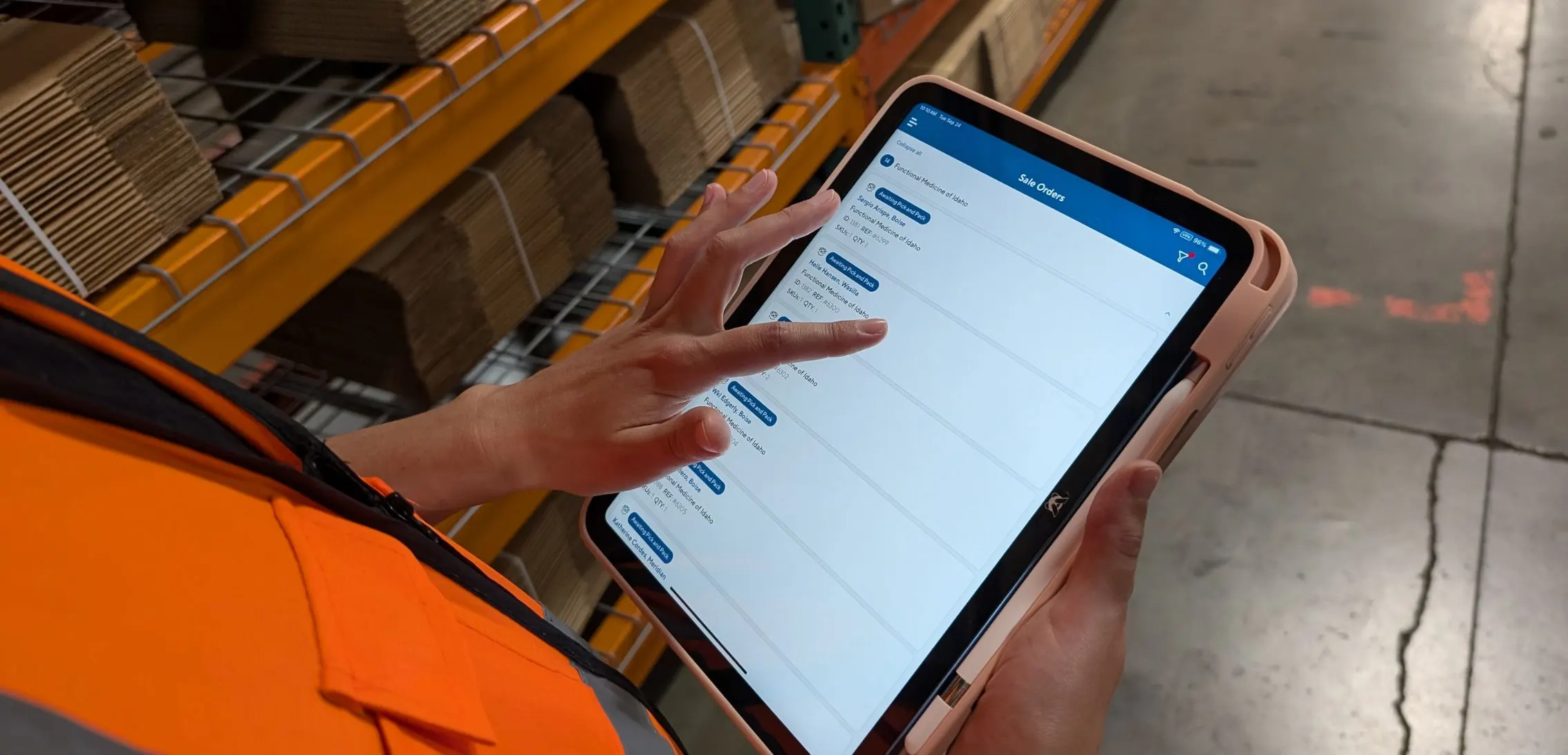
Deposco Alternatives: What Growing 3PLs Should Consider
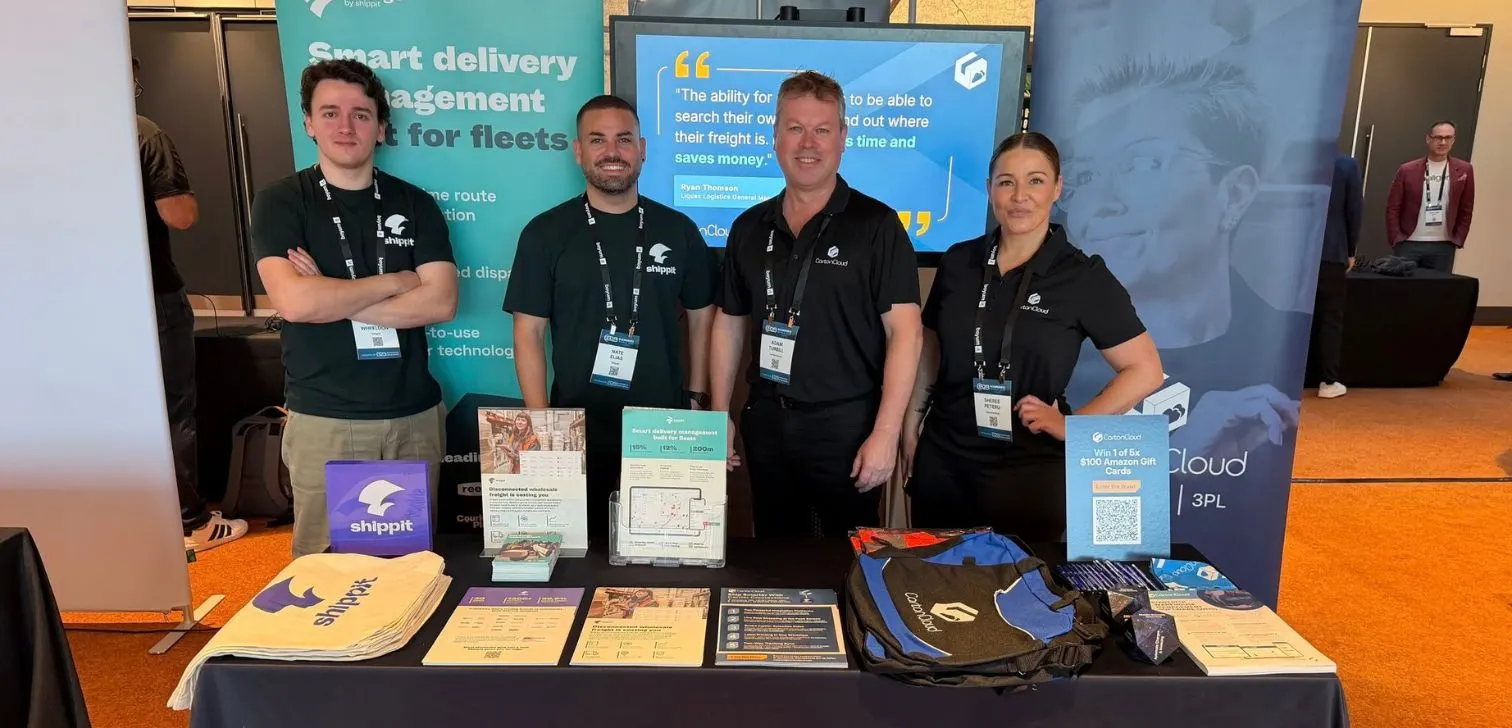
What We Heard at B2B World APAC: Large Brands Want Delivery Visibility, Not Just Warehouse Visibility
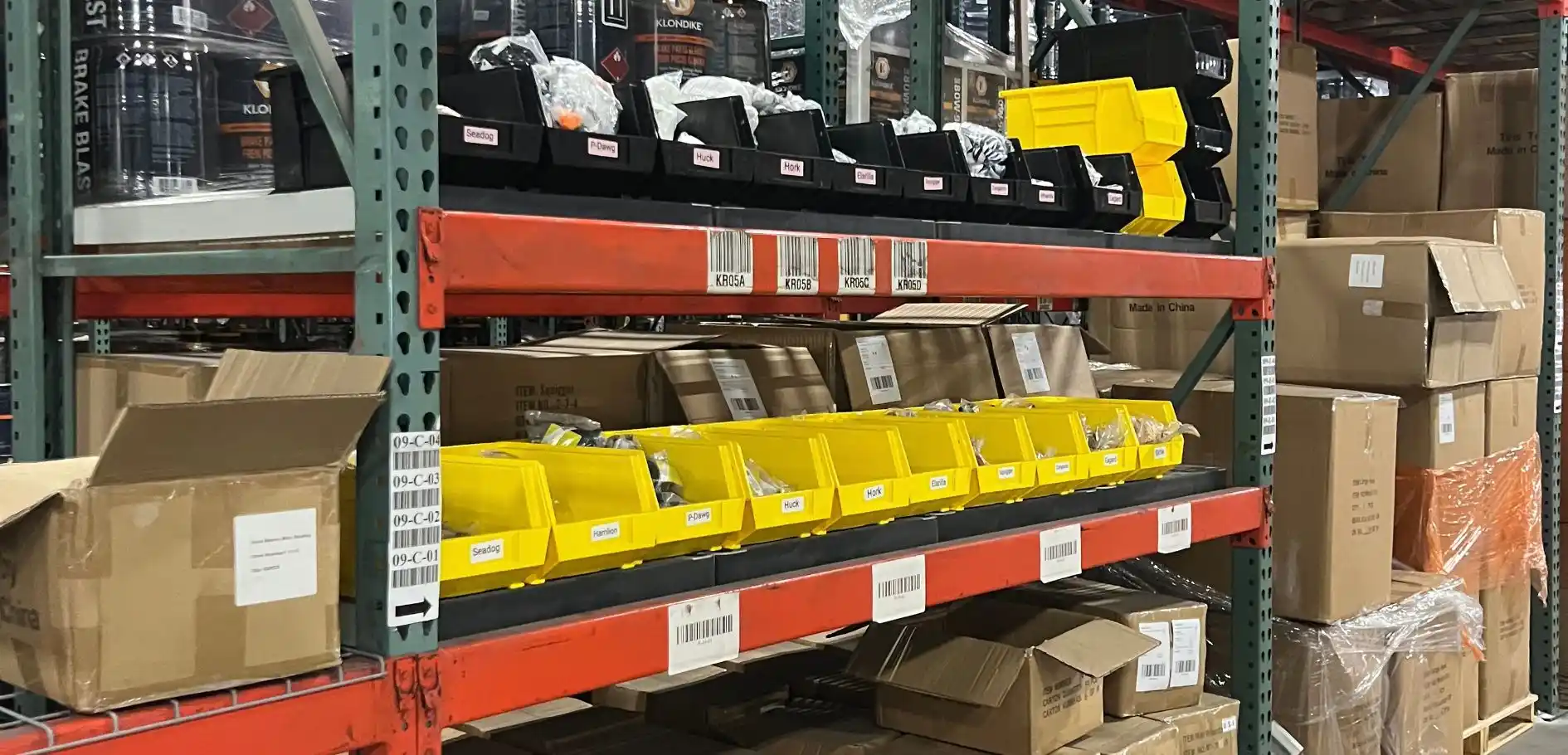
The Fastest WMS to Implement for E-Commerce Fulfillment 3PLs in the USA
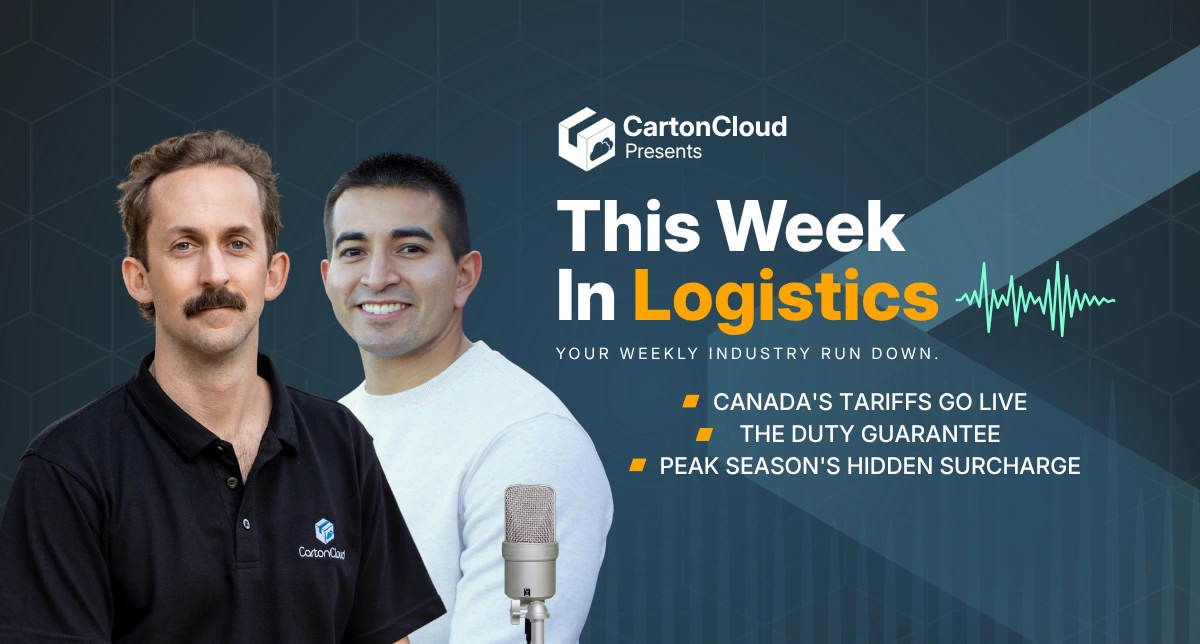
This Week in Logistics: A Cost Rule Peak — Canada's Tariffs Go Live, FedEx Guarantees Your Duties, and Peak Season Surcharges Land
What's the Best WMS for Small 3PLs That Need an Easy Setup?
CartonCloud vs Extensiv: Which Platform Delivers More for 3PLs?
Get a Free, Honest Read on Your Operation, in About Two Minutes

CartonCloud’s Commitment to Security: SOC 2 Type 2 Audit Complete
How to Implement a WMS in Your Small 3PL Business: A Practical Guide
.webp)
This Week in Logistics: Multiple Warehouses, Multiple States, One Standard — How HD Warehousing Does It, With Special Guest Chad Hildebrandt, Owner & COO
August 2026: New Feature Round-Up
Warehouse Software for Cold Storage, Food, and Temperature-Controlled Logistics
This Week in Logistics: Season 2 Returns — US-Canada Tariffs, Oil Volatility, and Panama Canal Cuts All at Once