Every Missed Scan Creates Problems You Can’t See (Until it’s Too Late)
Barcode scanning isn't just a warehouse metric. It’s what determines how accurate your data is, how reliable your dispatch becomes, and how much your customers trust your operation.
Published:
May 29, 2026
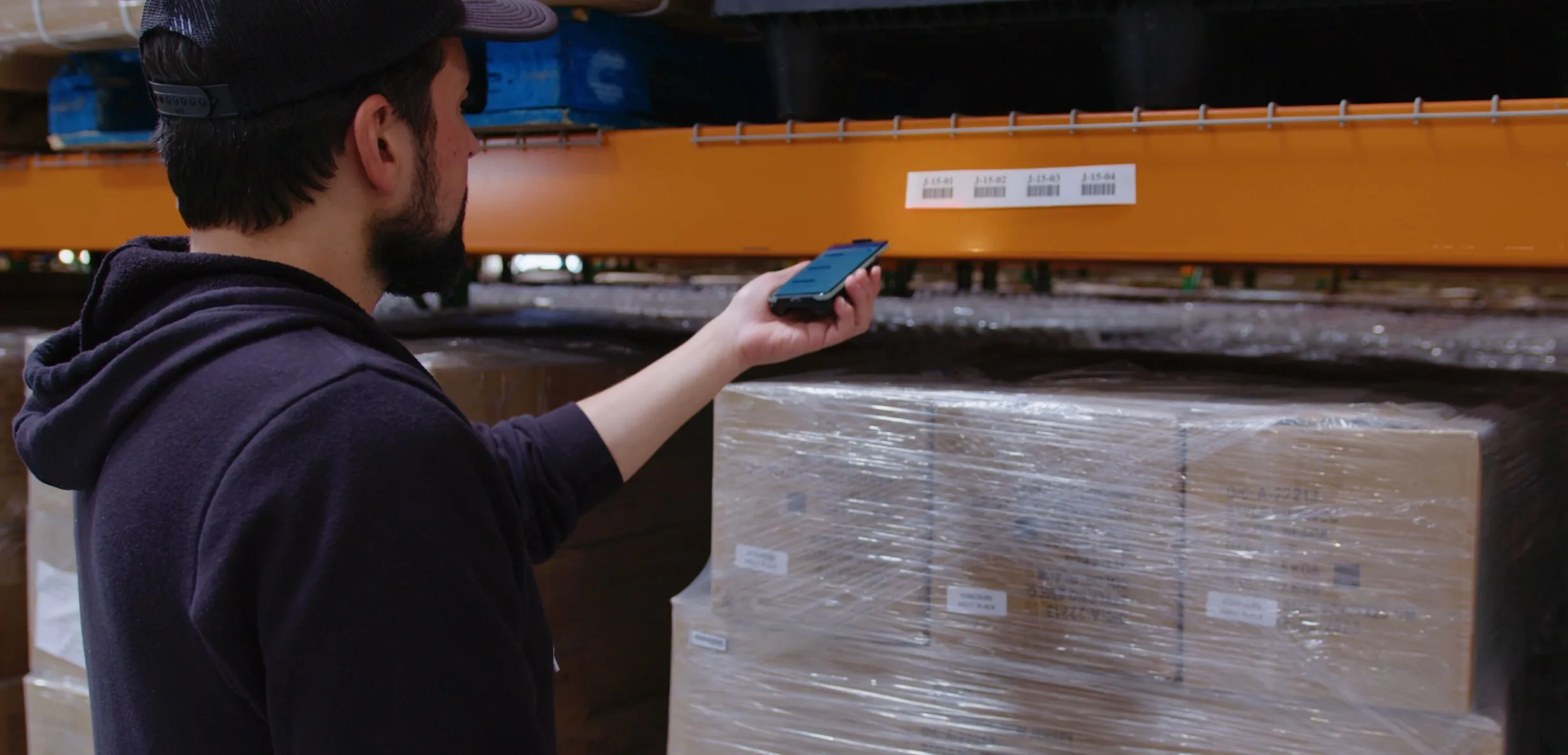
TABLE OF CONTENTS
At a practical level, scan compliance is what keeps your operation honest. If stock movements aren’t consistently scanned, your system stops reflecting reality. That’s when visibility breaks down, dispatch errors increase, and customer confidence starts to slip.
— In Summary / TL;DR
- Scan compliance is a core driver of logistics data accuracy.
- Every missed scan creates gaps in your visibility.
- It directly impacts dispatch accuracy + delivery performance.
- Most issues come from workflow friction, not intent.
- Improving scan compliance improves performance without major cost increases.
In this blog, we’ll look at two core impacts: the role scan compliance plays in dispatch accuracy, and the hidden costs of poor scanning across an operation. Manual data entry vs. scanning sounds like an efficiency play, but in reality, it’s actually all about visibility.
In our This Week in Logistics episode, we talked about how large operators like UPS are investing in RFID to reduce manual data entry and improve visibility — not just to save time, but to improve how quickly their systems know where freight actually is as it moves downstream.
In my role as VP of Operations at CartonCloud, I've spent over 10 years across warehouse and transport operations — and the operators who maintain strong scan compliance are consistently the ones who earn the highest level of customer trust.
Embedding barcode scanning into your workflows (like we do with CartonCloud) gives you more accurate data, and improves delivery visibility, giving a clearer view of every step from dispatch through to the doorstep.
Once that level of visibility is in place, it doesn’t just lift the standard of service — it quickly becomes the expectation.
Scan Compliance for Logistics Operators: What you Need to Know
Scan compliance is straightforward: it's the practice of consistently scanning every stock movement across your operation, so your data reflects what's actually happening in real time.
When it's working, your system stays accurate. When it breaks down, even small gaps in scanning create unreliable data — and unreliable data makes everything harder.
The operators who win won't be the ones with the most technology. They'll be the ones with the most reliable data.
What Is Scan Compliance in Logistics?
Scan compliance in logistics refers to the consistency and accuracy of barcode scanning across every stage of your operation — from inbound receiving through to final delivery.
At a practical level, it’s what ensures your system reflects what’s actually happening on the floor and on the road.
This is what strong warehouse scanning accuracy looks like in practice:
- Inbound receiving: confirming stock arrives as expected and is correctly recorded in the system.
- Putaway: capturing exactly where inventory is stored to maintain accurate location data.
- Picking: validating the correct SKU and quantity before items leave the shelf.
- Dispatch: confirming the right goods are loaded onto the right vehicle.
- Delivery: capturing proof of delivery to close the loop with accurate, time-stamped data
Each scan acts as a validation point. It confirms that the physical movement of goods matches what the system says.
High scan compliance means every movement is captured accurately, creating a reliable data trail across operations.
Low scan compliance, on the other hand, introduces gaps — where inventory, orders, or deliveries exist in the real world, but not accurately in your system.
Ultimately, accuracy isn’t just about tracking stock. It’s about maintaining a single, reliable version of the truth — one that your team, your customers, and your systems can all rely on.
Why Scan Compliance Matters
Scan compliance in logistics directly impacts how reliable your operation is — and it follows a clear chain: Scan compliance → Data accuracy → Visibility → Customer experience
Each step builds on the one before it. If one breaks, everything downstream is affected. Let’s break it down:
1. Data accuracy: your source of truth
Everything starts with logistics data accuracy. Scans are what validate that the physical movement of goods matches what your system says.
- Scans = source of truth: every scan confirms location, quantity, and status.
- No scan = no reliable data: if it’s not scanned, the system can’t trust it.
When scan compliance drops, data accuracy is the first thing to go.
2. Visibility: only as good as the data behind it
Delivery visibility in logistics depends entirely on scan events. Tracking updates, status changes, and ETAs are all driven by what gets scanned and when.
- Tracking relies on scan events: each scan feeds real-time updates.
- Missing scans create blind spots: gaps in data lead to gaps in visibility.
If the data is incomplete, visibility becomes unreliable — even if the tracking system itself is working as designed.
3. Customer experience: where it shows up
This is where the impact becomes visible to your customer.
- Poor data leads to poor ETAs.
- Poor ETAs lead to lost trust.
Customers don’t see your processes. They see the outcome — whether the delivery arrived as expected, and whether the updates were accurate.
Most visibility problems aren’t tracking problems — they’re data quality problems. And that’s why scan compliance matters. It’s what connects what’s happening in your operation to what your customer sees.
Impact 1: Scan Compliance on Dispatch Accuracy
Dispatch accuracy is one of the clearest ways scan compliance shows up in day-to-day operations.
At its core, warehouse dispatch accuracy comes down to three things: the right product, order and vehicle.
Scanning is what validates each step. It ensures that what’s being picked, packed, and loaded matches what the system expects by confirming:
- Correct SKU: the right item is selected
- Correct quantity: the order is complete and accurate
- Correct load: the right goods are assigned to the right delivery
When scan compliance is high, dispatch becomes consistent and predictable. It supports strong logistics execution by reducing reliance on manual checks and assumptions.
When scan compliance drops, errors start to creep in. This is where you begin to see:
- Mispicks: wrong items selected during picking
- Incorrect loads: orders assigned to the wrong vehicle
- Delivery errors: customers receiving the wrong goods or incomplete orders
Poor scan compliance increases dispatch errors, leading to failed deliveries, returns, and higher operational costs.
For operators, this is where data accuracy directly translates into execution quality.
Impact 2: The Hidden Cost of Poor Scan Compliance
This is where the impact of scan compliance becomes harder to see — and more expensive.
In This Week in Logistics, we talked about the “hidden cost stack” — where margin isn’t lost in obvious places, but in the gaps between operations, data, and execution.
Scan compliance sits right in the middle of that.
When scan compliance drops, you don’t just lose visibility — you lose control of your operation.
The impact can be subtle at first. But over time, you’ll start to see it show up across the business through small, repeated breakdowns in data quality and processes, such as:
- Increased support queries: customers chasing updates your system can’t confidently provide.
- Delivery disputes: no clear record of what was picked, loaded, or delivered.
- Re-deliveries: time and cost lost fixing avoidable errors.
- Lost productivity: teams spending time investigating and correcting issues instead of moving freight.
- Revenue leakage: missed billing events tied to unrecorded or incomplete scan data.
Poor scan compliance doesn’t just affect accuracy. It affects profitability, performance, and the ability to run a controlled, predictable operation.
Where Scan Compliance Breaks Down in Real Operations
Most teams don’t ignore scanning because they don’t care — they ignore it because the process gets in their way, and that’s where warehouse scanning issues start to show up.
Common breakdown points include:
- Manual workarounds: “we’ll scan it later” becomes the default when processes slow things down.
- Time pressure in the warehouse: speed is prioritised over process during peak periods.
- Poorly designed workflows: too many steps, or steps that don’t match how the team actually works.
- Lack of mobile scanning tools: scanning isn’t accessible where the work is happening.
- Inconsistent processes across teams: different approaches lead to inconsistent data capture.
That’s why improving scan compliance isn’t about enforcement. It’s about removing friction, simplifying workflows, and making accurate data capture the easiest path for the team.
How Systems Like CartonCloud Support Scan Compliance
The goal isn’t more scanning. It’s better, more consistent data capture across the entire operation.
That can only work when you have scanning built into the way your warehouse and transport workflows actually run — not layered on top.
CartonCloud supports scan compliance by connecting each stage of the operation into one continuous flow of data:
- Barcode scanning workflows: capture every movement at inbound, putaway, picking, and dispatch, so data stays aligned with what’s happening on the floor.
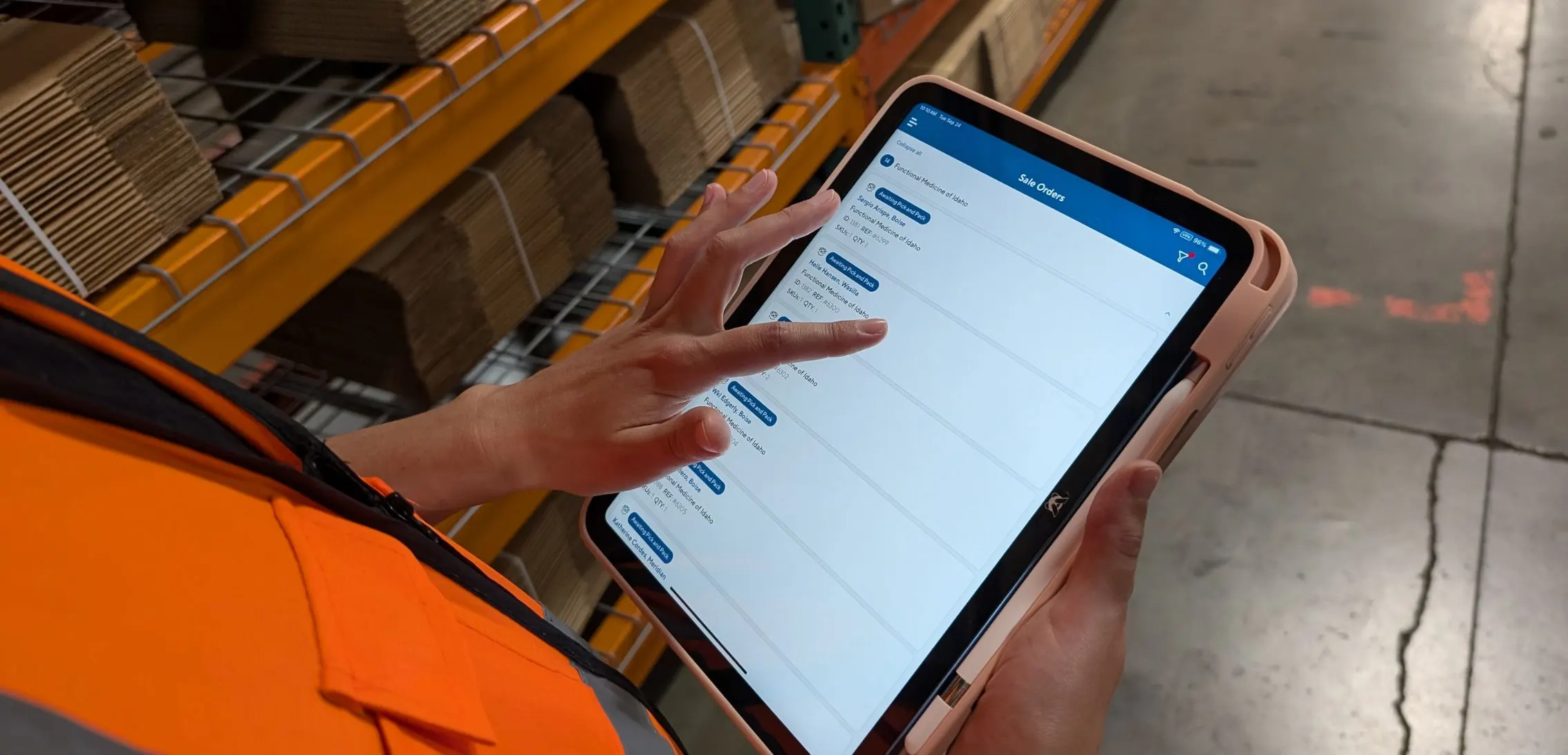
- Mobile WMS app: enable teams to scan in real time from anywhere in the warehouse, without needing to return to a workstation.
- Real-time tracking updates: every scan updates the system instantly, improving delivery visibility for both operators and customers.
- Driver app with delivery scanning: capture proof of delivery at the final step, closing the loop with accurate, time-stamped data.
- Integrated WMS + TMS: remove gaps between warehouse and transport, so there’s no loss of information as freight moves downstream.
Since everything sits in one system, there’s no disconnect between stages. That means fewer missed scan events, more reliable data, and stronger control across the operation.
How to Improve Scan Compliance in Logistics Operations
Good news: improving your scan compliance doesn’t require a complete overhaul. In most cases, it comes down to better alignment between your processes and the tools your team is using every day.
Here’s what we see working in real operations:
- Make scanning part of the workflow (not optional)
Start by making scanning part of your standard process, not an extra step.
- Embed scanning into each stage of the workflow.
- Require a scan before progressing to the next step.
This removes the risk of delayed data capture or steps being skipped altogether. If the process depends on the scan, compliance follows naturally.
- Use mobile scanning tools that are fast + simple
If scanning is slow or inconvenient, it won’t happen consistently.
The most reliable way to run a scan-driven operation is with all-in-one scanning devices. These are purpose-built handhelds that combine a barcode scanner, mobile device, and warehouse app in one. (CartonCloud is compatible with a range of industry-standard scanning devices — see our recommended hardware for more info). This makes it easy to use your phone for mobile barcode scanning, especially if you are just launching your operation.
- Using the CartonCloud mobile app, you can capture scans from any location, whether on the warehouse floor or on the road.
- You can also pair your mobile devices with Bluetooth scanners to quickly capture barcodes with minimal effort. This ensures that every scan updates the system instantly, so not only you can track progress and maintain visibility as work happens, but your customers can as well.
When tools are easy to use, scanning becomes part of the job — not something that gets left behind when things get busy.
- Reduce manual processes
Manual work is one of the biggest causes of poor scan compliance.
- Eliminate paper-based workflows to reduce manual data entry.
- Capture data once, at the point of activity, to avoid double handling.
The fewer manual steps involved, the fewer opportunities there are for missed or incorrect data.
- Standardise processes across warehouse + transport operations
Inconsistent processes lead to inconsistent data. Where possible;
- Create consistent workflows across your warehouse and transport operations.
- Reduce variation in how tasks are completed across teams.
Standardisation makes it easier for teams to follow the process and ensures data is captured the same way every time.
- Monitor and report on scan compliance
You can’t improve what you can’t see.
- Track scan compliance rates to understand how consistently data is being captured.
- Identify where breakdowns are happening across the operation.
- Build accountability by making performance visible across teams.
Regularly reviewing compliance data helps you catch issues early and maintain control as your operation scales.
FAQ
Q: What is scan compliance in logistics?
A: Scan compliance is the consistency and accuracy of barcode scanning across all stages of a logistics operation, ensuring every stock movement is recorded.
Q: Why is scan compliance important in warehousing?
A: Scan compliance is important because it ensures accurate inventory records and reliable data, which supports better visibility and fewer operational errors.
Q: How does scan compliance affect delivery performance?
A: Scan compliance improves dispatch accuracy and tracking reliability, reducing delivery errors and failed deliveries.
Q: What causes poor scan compliance?
A: Common causes for poor scan compliance include workflow friction, time pressure, manual processes, and lack of simple scanning tools.
Q: How can logistics companies improve scan compliance?
A: You can improve scan compliance by embedding scanning into workflows, using mobile tools, reducing manual processes, and standardising operations.
Q: What is the link between scan compliance and data accuracy?
A: Scanning creates the data your system relies on. Without consistent scanning, your data becomes incomplete or unreliable.
Explore the resource hub
Tips, tools, downloadable guides and stories from logistics teams who are working smarter.
This Week In Logistics: When the System Says Forty and the Shelf Says Twelve — How to Close the Inventory Gap, With Special Guest Gaubrielle Pritchard, Director of Product and Customer Marketing, Cin7
.webp)
The CartonCloud Logistics Index 2026: See where your operation stands

Running WMS and TMS Across Multiple Sites in Australia: The Questions We Answered at MegaTrans 2026
CartonCloud Feature Spotlight: July–September 2026
Deposco Alternatives: What Growing 3PLs Should Consider
What We Heard at B2B World APAC: Large Brands Want Delivery Visibility, Not Just Warehouse Visibility
The Fastest WMS to Implement for E-Commerce Fulfillment 3PLs in the USA

This Week in Logistics: A Cost Rule Peak — Canada's Tariffs Go Live, FedEx Guarantees Your Duties, and Peak Season Surcharges Land
What's the Best WMS for Small 3PLs That Need an Easy Setup?

CartonCloud vs Extensiv: Which Platform Delivers More for 3PLs?
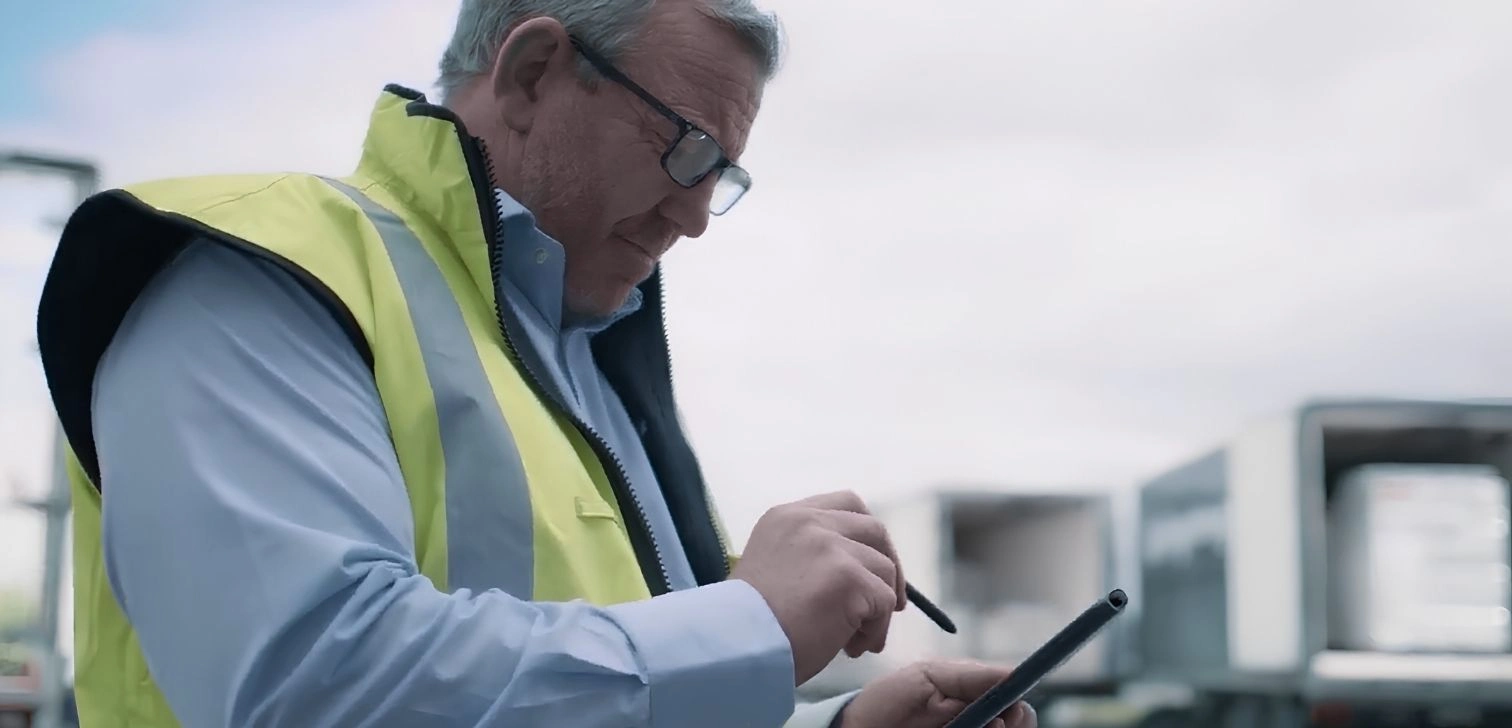
Get a Free, Honest Read on Your Operation, in About Two Minutes

CartonCloud’s Commitment to Security: SOC 2 Type 2 Audit Complete

How to Implement a WMS in Your Small 3PL Business: A Practical Guide
.webp)
This Week in Logistics: Multiple Warehouses, Multiple States, One Standard — How HD Warehousing Does It, With Special Guest Chad Hildebrandt, Owner & COO

August 2026: New Feature Round-Up
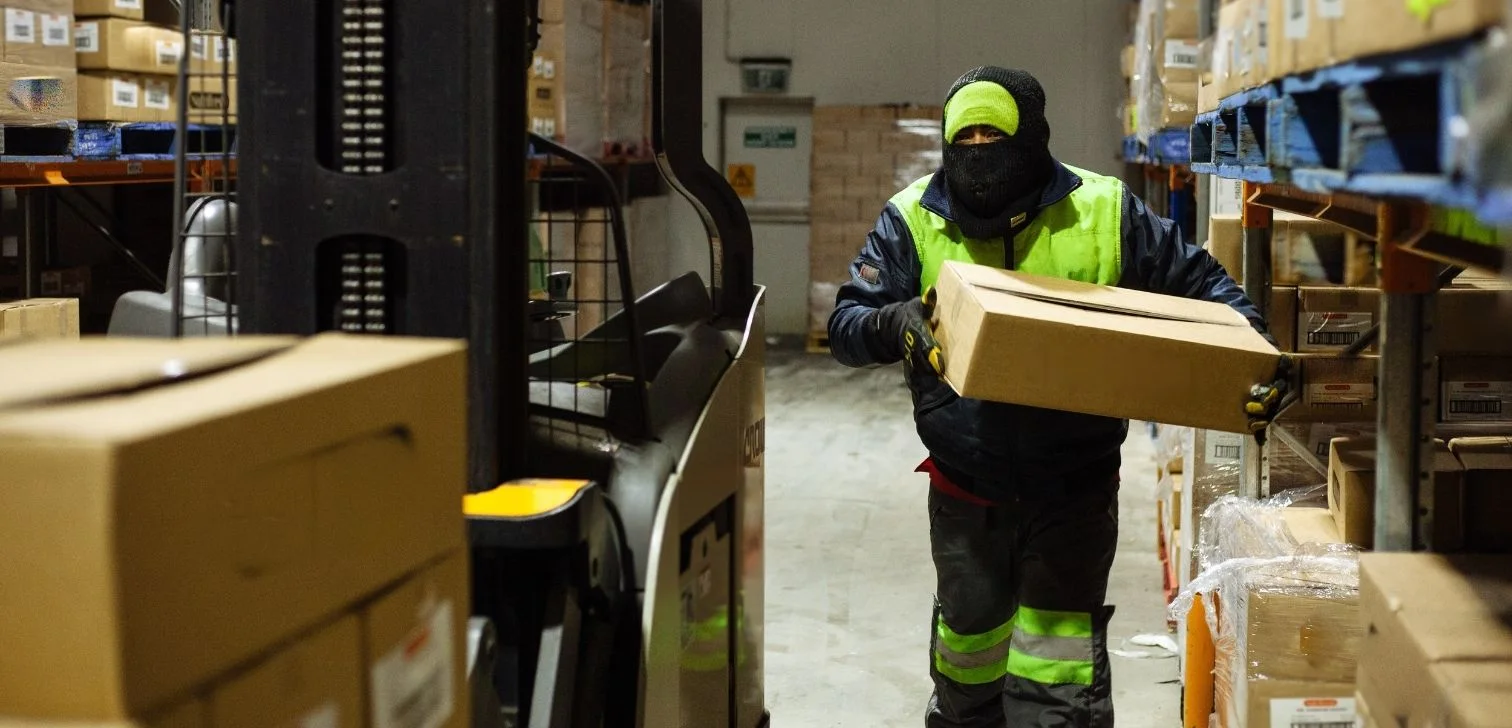
Warehouse Software for Cold Storage, Food, and Temperature-Controlled Logistics
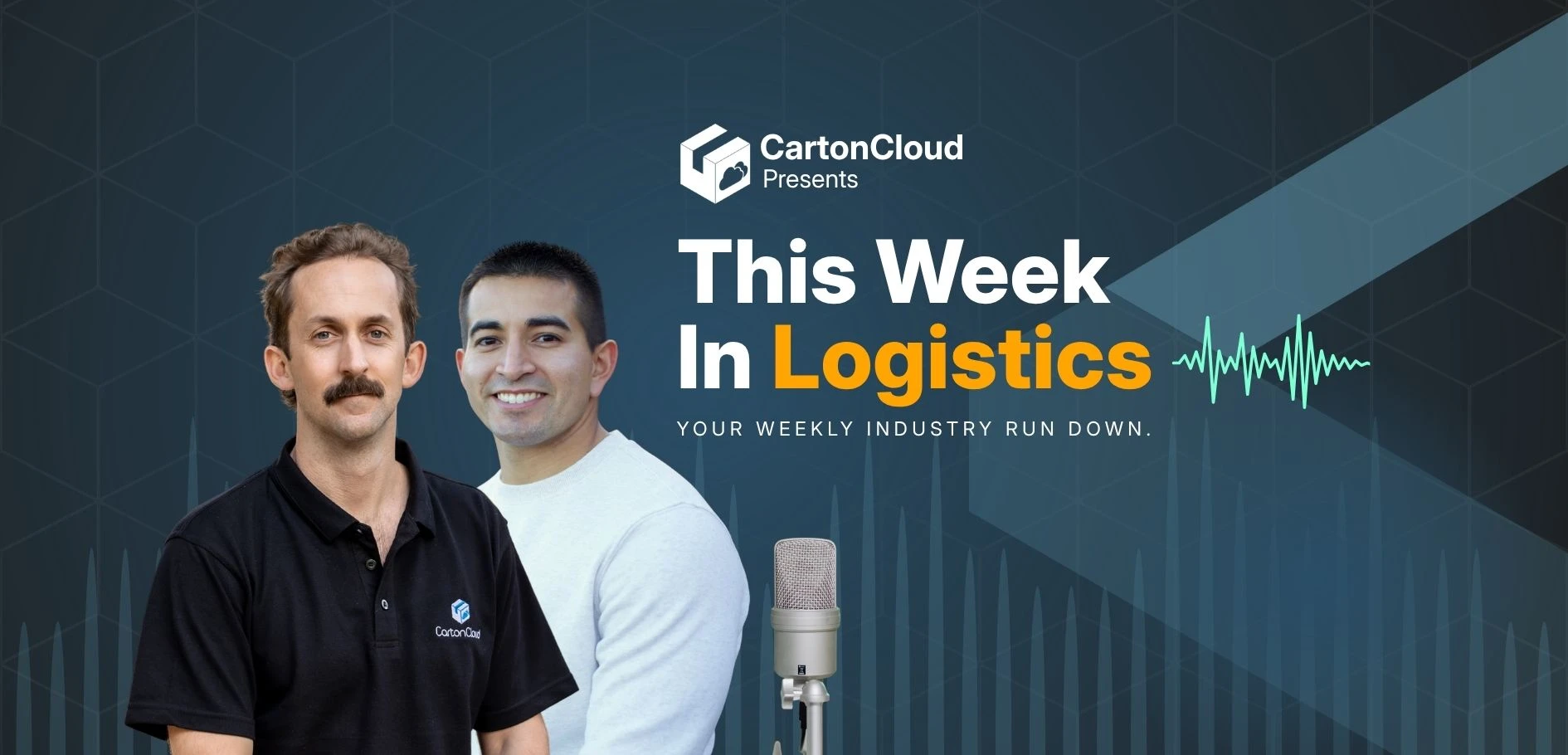
This Week in Logistics: Season 2 Returns — US-Canada Tariffs, Oil Volatility, and Panama Canal Cuts All at Once
.webp)
How Do You Know You've Outgrown Basic Warehouse Systems? 7 Signs for Growing US 3PLs
.webp)
CartonCloud Named a 2026 "Great Supply Chain Partner" by SupplyChainBrain
.webp)
Dock Management: How We Built Visibility Into Every Delivery