What is the best warehouse management software and why?
Not all warehouse management software is built the same. Here's what separates the best WMS platforms from the rest — and what to actually evaluate before you commit.
Published:
June 3, 2026
.webp)
TABLE OF CONTENTS
I always tell people that the best Warehouse Management Software WMS is the one your team can actually use without months of training. It needs to be cloud-based, built for real logistics operations, and flexible enough to scale. For any growing 3PL or warehouse in the US or abroad, the right system should seamlessly cut out admin clutter, reduce human error, and keep your customers in the loop with real-time data.
— TL;DR — The short version
Here is what the best WMS platforms should bring to the table:
- Cloud-based: Real-time inventory tracking across all locations.
- Highly configurable: Built for your specific workflows, not a generic template.
- Staff-friendly: Simple enough that output improves almost immediately.
- Logistics-first support: Backed by industry experts, not just software devs.
- Flexible pricing: Costs that scale alongside your actual volume.
- Fully integrated: Smooth integrations with your accounting, shop, and carriers.
As Head of Sales for North America at CartonCloud, I've spent my career in logistics software — and the question I hear most from operators evaluating a new system is some version of: "Which WMS is actually the best?"
The honest answer is that it depends on your operation. But there are five or six things the best platforms consistently get right — and just as many red flags that appear early when a system isn't the right fit. Here's what I look for, and what I'd recommend you ask before committing.
What Is Warehouse Management Software?
A warehouse management system (WMS) gives you end-to-end control of your warehouse — from inbound order entry, receiving and put-away and inventory management, all the way through to picking, packing, dispatch, and billing.
The best WMS platforms do more than track inventory. They automate and digitize how your warehouse runs day to day, whatever your size, product mix, or customer type, so you boost efficiency, cut mistakes, and build a foundation to scale. That includes admin and billing, rate calculation, ad hoc charges, picking and packing workflows, and task allocation.
Core functions to look for:
- Inventory control: Real-time stock visibility across locations, with lot/serial tracking where needed.
- Order processing: Automated order intake, pick path optimization, and barcode-scanned fulfillment.
- Billing + invoicing: Automatic rate calculation based on your actual services — storage, handling, adhocs, and dispatch.
- Customer portal: Self-serve stock visibility, order entry, reports, so clients check their own inventory without calling you.
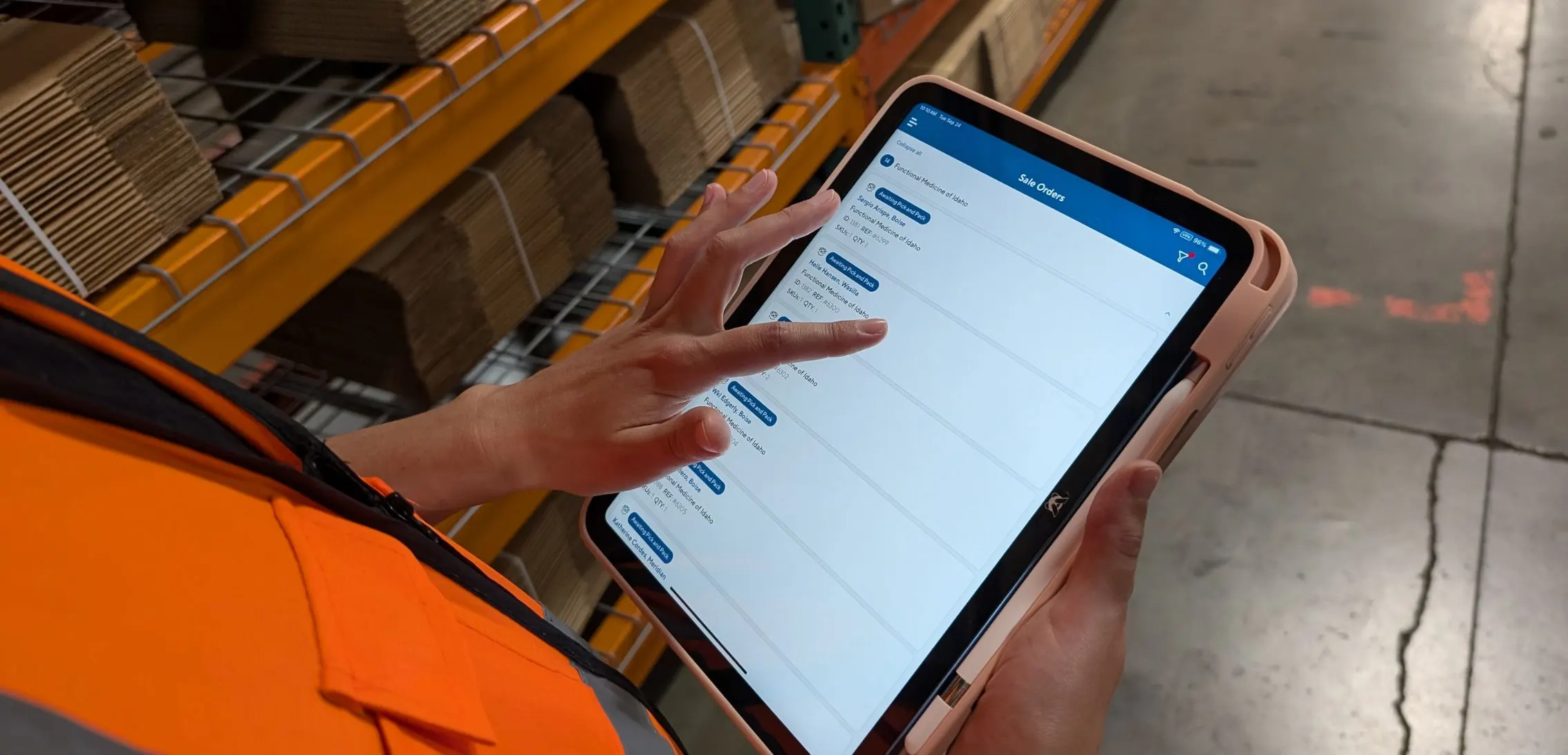
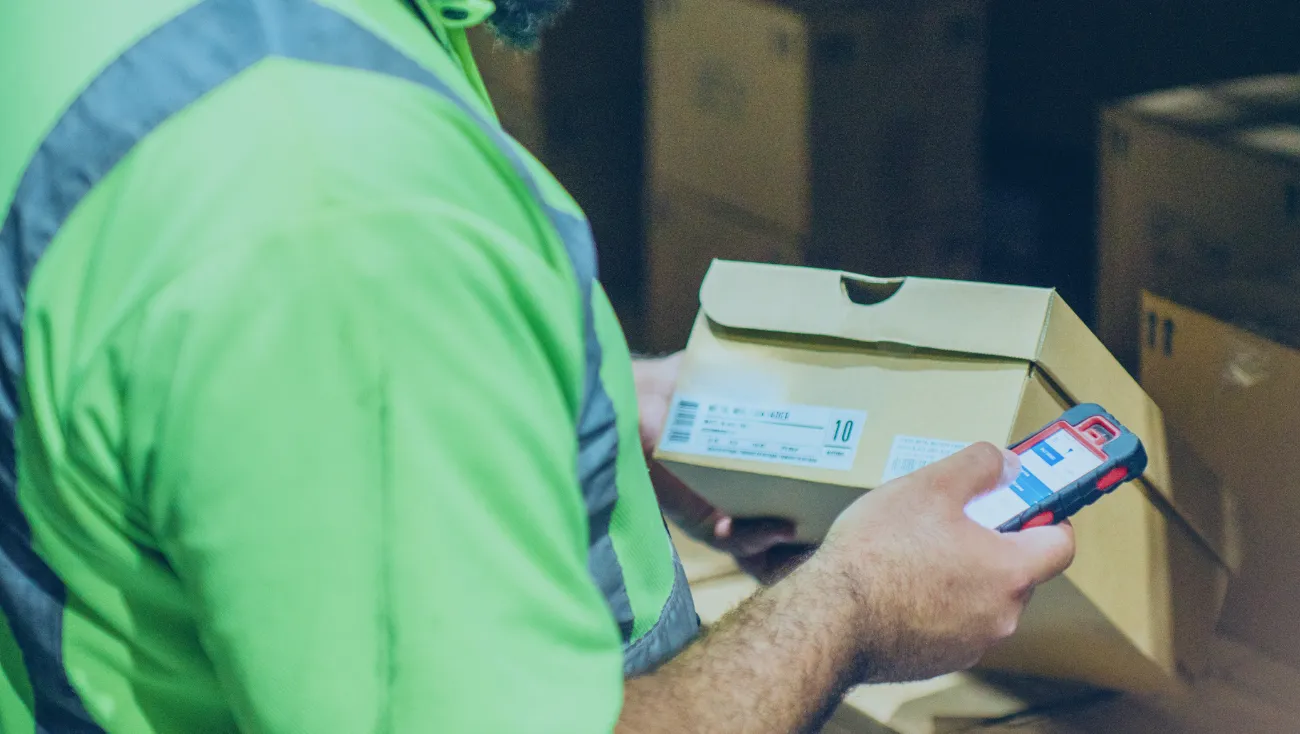
- Mobile app: Floor-level scanning and task management, no paper or clipboards required.
Does WMS software Ease of Use Actually Affect Warehouse Operations?
A warehouse management system that takes months to learn creates a painful rollout and long-term reliance on a small group of power users. The opposite is just as true.
A system your team can pick up in a day or two gets the whole floor productive fast, keeps the operation off the shoulders of two or three power users, and holds output steady when you're short-staffed or training someone new. Ease of use isn't a soft feature. It's what decides whether the system actually earns its keep.
The best WMS platforms are structured so that:
- New staff get up to speed quickly without intensive onboarding sessions.
- Floor workers operate accurately via mobile barcode scanning without referencing paper.
- Managers pull reporting and visibility without routing requests through admin or IT.
Ease of use also has a direct impact on output. When staff aren't fighting the system, they move faster and make fewer mistakes.
"Easy to use and quick to adapt to your needs, with a strong focus on customer service from the entire team." — Tom C., G2 Review ⭐⭐⭐⭐⭐
These outcomes show up consistently across customer reviews — and they appear in operational results quickly, often within the first month.
What Should You Ask a WMS Vendor Before You Commit?
I've seen enough WMS platforms up close to know how much they differ once you're past the demo.
The clearest divide is between software built by people who've actually run warehouses and software that had a logistics module bolted on later. You feel that difference every day once you're live, and it's a big part of why I'm here now.
Before you sign anything, ask:
- Do their support staff have hands-on logistics experience?
- Is support accessible and responsive — or routed through offshore ticket queues?
- Does the product roadmap reflect real operational problems, or just feature checklists?
- Can they demonstrate how their system handles your specific workflows during a demo?
"I feel like the team at CartonCloud is really the third person who works here in the warehouse. They may not physically be here, but anytime I have a problem, I contact them and they get back to me right away. They are amazing at their communication and their customer service is wonderful." — Cass Strunk, Founder, Core Logistic Services
How Do WMS Integrations Reduce Admin + Errors?
Your WMS doesn't operate in isolation. It needs to connect cleanly with the tools your business, partners and customers already run — otherwise you're creating manual data entry and information silos that slow everything down.
Look for native integrations with:
- Accounting platforms — for automated invoicing and reconciliation.
- E-commerce platforms — for direct order intake without re-keying.
- Carrier and shipping tools — for dispatch and proof of delivery.
- ERP systems — for businesses with more complex data requirements.
"It's clear this was built by people who truly understand 3PL operations. The workflows are logical, fast, and reduce the time spent on manual admin work. Real-time visibility across warehouse and transport is a game changer." — Gavin G., G2 review ⭐⭐⭐⭐⭐
Why Does Cloud-Based WMS Outperform Legacy Warehouse Software?
A decade ago, most warehouse software ran on local servers — slow to update, hard to access remotely, dependent on hardware that needed ongoing maintenance. That model doesn't hold up for a modern operation.
Cloud-based warehouse management software delivers:
- Real-time inventory that updates the moment a scan is made — on the floor, across sites, or in the field.
- Faster rollout — no hardware to install, no IT project required.
- Automatic updates — new features and fixes without downtime or manual installs.
- Remote access — manage your operation from any device, anywhere.
For 3PLs managing multiple clients in a shared warehouse, real-time visibility isn't optional. It's the baseline for running a clean operation and keeping clients confident.
For more on the operational case for going paperless, see Three Reasons To Switch Your Warehouse To A Paperless WMS.
What Does Good WMS Pricing Look Like for Growing Warehouses?
The best WMS platforms offer pricing that scales with your operation — so you're not paying enterprise rates as a smaller business, and you're not hitting artificial ceilings as you grow.
Things to look for:
- No lock-in to features you don't need — pay for what your operation actually uses.
- Transparent volume pricing — costs that are predictable as order volumes increase.
- Fast onboarding — so you start getting value in weeks, not months.
"CartonCloud is a great tool. It is simple to use and reliable with an affordable price. The support team is there to help us and they go the extra mile." — Alexandre Mello, Google review ⭐⭐⭐⭐⭐
For a breakdown of hidden costs in free or low-cost WMS options, see Why FREE Warehouse Management Software Can Cost You Thousands.
What This Means for Operators Choosing a WMS in 2026
The best warehouse management software isn't the one with the longest feature list — it's the one that fits your operation, gets used by your whole team, and keeps improving as your business grows.
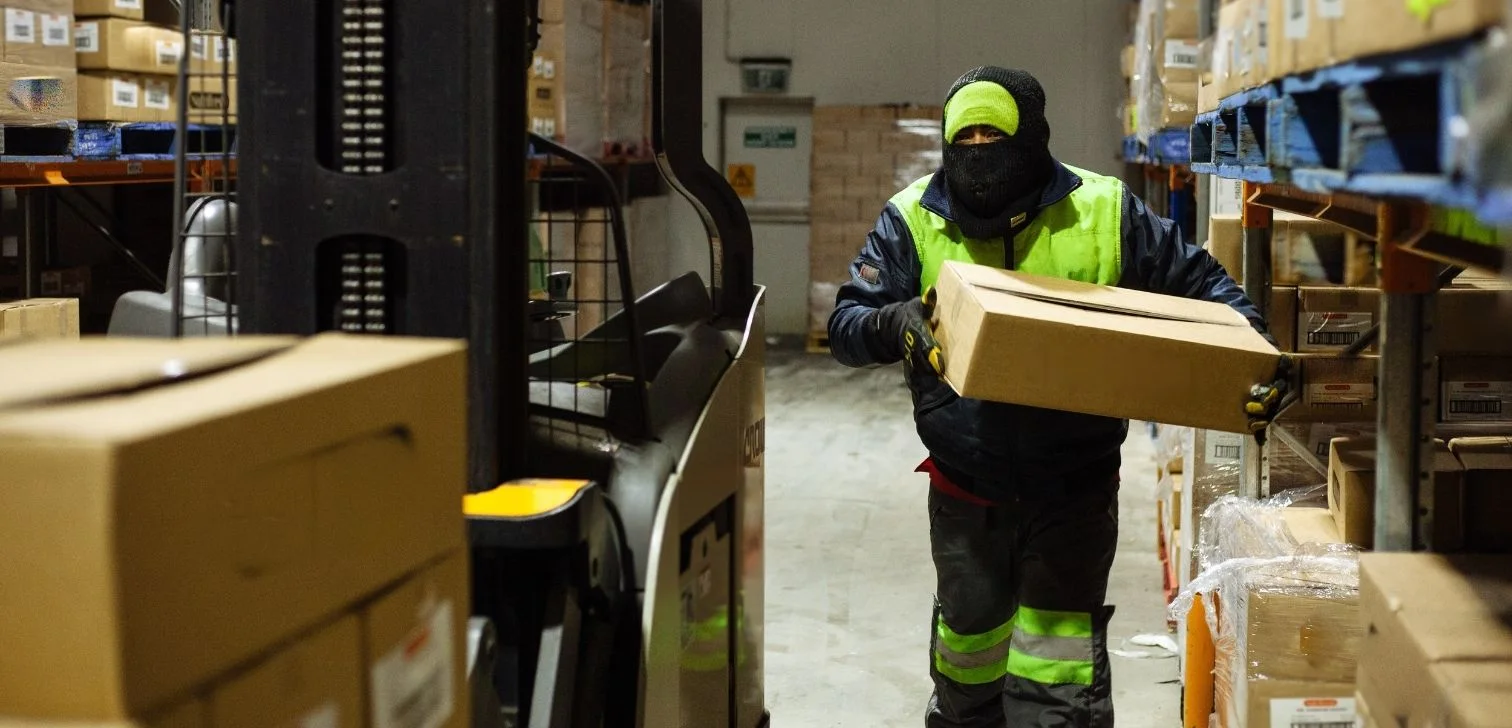
"We've actually grown our business in volume over the last three years, but we haven't had to employ any extra staff. We have made use of what the system offers to us, and in consultation with CartonCloud support teams, we've been able to enhance our system." — Kevin Forte, General Manager Operations, AustraCold
Before you shortlist, get clear on:
- What workflows the system needs to handle day one.
- Which integrations are non-negotiable for your setup.
- What your support expectations are — and whether the vendor can meet them.
- How pricing scales as your volumes increase.
Getting those answers upfront saves you a costly platform switch further down the track.
For more on what to look for as a smaller or growing operation, see Finding the Best WMS Software for Small Businesses. And if you're unsure whether your current setup is holding you back, see WMS Experience — What Does Good Look Like?
If you'd like to see how CartonCloud works for operations like yours, book a free demo and we'll walk through your specific setup.
Updated June 2026.
FAQ
Q: What is the best warehouse management software for a 3PL?
A: The best WMS for a 3PL handles multi-client operations cleanly — separate inventory, billing rules, and reporting per client. It should be cloud-based, easy for floor staff to use from day one, and configurable to your specific services without requiring custom development or lengthy implementation.
Q: What's the difference between a WMS and an ERP system?
A: A WMS focuses on warehouse-specific workflows: receiving, inventory, picking, packing, dispatch, and billing. An ERP covers broader business functions including finance, HR, and procurement. Many growing 3PLs run a WMS integrated with their accounting software rather than a full ERP, keeping operations lean and costs manageable.
Q: How do I know if my warehouse needs a new WMS?
A: Signs your current system is holding you back include: manual workarounds for billing or inventory, clients calling for stock updates, picking errors that require rework, and staff spending significant time on data entry. If your team is working around the system more than in it, it's time to evaluate alternatives.
Q: How long does WMS implementation take for a small warehouse?
A: Cloud-based WMS platforms with dedicated onboarding support can have a small warehouse operational within days to a few weeks. Implementation speed depends on workflow complexity, integration requirements, and data migration. Some CartonCloud customers have gone live in under a week with a guided setup process.
Q: What WMS integrations matter most for 3PLs?
A: The highest-impact integrations for 3PLs are accounting software (for automated invoicing), e-commerce platforms (for direct order intake), and carrier or shipping tools (for dispatch). These three integrations eliminate the most common manual data entry points and speed up billing cycles significantly.
Explore the resource hub
Tips, tools, downloadable guides and stories from logistics teams who are working smarter.
.webp)
This Week in Logistics: Multiple Warehouses, Multiple States, One Standard — How HD Warehousing Does It, With Special Guest Chad Hildebrandt, Owner & COO

August 2026: New Feature Round-Up
Warehouse Software for Cold Storage, Food, and Temperature-Controlled Logistics

This Week in Logistics: Season 2 Returns — US-Canada Tariffs, Oil Volatility, and Panama Canal Cuts All at Once
.webp)
How Do You Know You've Outgrown Basic Warehouse Systems? 7 Signs for Growing US 3PLs
.webp)
CartonCloud Named a 2026 "Great Supply Chain Partner" by SupplyChainBrain
.webp)
Dock Management: How We Built Visibility Into Every Delivery

What's the Best WMS for Small 3PLs That Need an Easy Setup?
.webp)
July 2026 — New Feature Round-up

What US 3PL Operators Really Say About Switching From Slow, Complex WMS Alternatives

CartonCloud vs Competitors: An Honest Comparison from an Implementation Specialist
.webp)
Running Multiple Sites from One WMS System: How HD Warehousing Scaled Without the Complexity
.webp)
This Week in Logistics: The Operator Playbook
Deposco Alternatives: What Growing 3PLs Should Consider

CartonCloud Feature Spotlight: April-June 2026
.webp)
3PL Software Pricing: What You're Actually Paying For (And How to Compare It)
Inside CartonCloud: A Top-Rated 3PL Logistics Software Platform
3PL Software Find the Best Fit for Your Business
What Carrier Integrations Does a 3PL Need? Explore CartonCloud's 150+ Carrier Connections
.webp)
From 50 Picks a Day to 300: How Hone Scales a 50-Year Social Enterprise with CartonCloud