How to Automate Warehouse Invoicing, Rate Cards, and Reporting
Manual billing quietly eats hours every week for growing 3PLs. Here's how automated rate cards, invoicing, and accounting sync take that admin off your plate.
Published:
October 16, 2026

TABLE OF CONTENTS
The fastest way to automate warehouse invoicing, rate cards, and reporting is to run all three from inside your warehouse management system, not bolt them on as a separate tool. CartonCloud calculates rate cards automatically from what's actually scanned and moved in the warehouse, generates invoices from that same data, and syncs the result straight into Xero, QuickBooks, or MYOB. That closes the gap between what happens on the floor and what shows up on an invoice, so charges get captured and bills go out without anyone re-entering data by hand.
— TL;DR — The short version
- The problem: Manual billing can eat 5-7 hours a week per warehouse, between rate lookups, chasing missed charges, and rebuilding invoices by hand.
- The fix: Rate cards that calculate charges automatically from scan events as they happen, not from someone's memory or a spreadsheet.
- The integration: Native sync to Xero, QuickBooks, and MYOB means invoices flow into your accounting system without manual export or re-entry.
- The reporting: One source of truth across stock, orders, and billing, so you're not stitching reports together after the fact.
- The outcome: Faster, more accurate invoicing, and admin hours freed up for the work that actually grows the business.
I'm Elyse Ingham, Product and Lifecycle Marketing Manager at CartonCloud. Part of my job is understanding where a 3PL's operation has gaps, and helping them see how CartonCloud fills them. Billing is where that shows up often: special services, the extra wrap, the rush job, the one-off request, get delivered but never get billed.
Between tracking rate cards, storage, handling, extra transport fees, and creating final invoices, matching everything to what actually happened on the floor can feel like a big puzzle. Here is a simple look at how you can automate this process end-to-end with CartonCloud, and give your team a well-deserved time upgrade.
What's Actually Slowing Your Billing Week
Most of the hours lost to billing don't come from one big problem. They come from a handful of small manual steps that repeat for every client, every week. That can look like:
- Manual rate lookups: Spending time double-checking which rates belong to which client, product, or special service.
- Missed charges: If a pick ticket, a handling fee, or an extra service doesn't make it back to the office, it doesn't make it onto the invoice.
- Rebuilding invoices by hand: Pulling numbers from a WMS, a spreadsheet, and an inbox, then manually building each client's invoice.
- Re-entering data into accounting software: Retyping or re-uploading invoice data into Xero, QuickBooks, or MYOB after it's already been calculated once.
Taking care of these steps individually is manageable, however stacked together across every client and every week, that's where the 5-7 hours a week of admin can add up. It's also where revenue quietly leaks, because a charge that never gets recorded is a charge that never gets paid. It's one of the areas of operations we solve, where we see some of the biggest thanks coming from CartonCloud users.
"Before we had CartonCloud, I was doing everything manually. All day long, all night long, and on the weekends. I couldn't go out for dinner, I couldn't go out with friends, and I couldn't watch TV because I would be sitting at the desk filing things and routing things."
"Being able to finish like a normal person at five — having done all the allocating and printed all the paperwork for the next day — you can't really put a price on it." — Emily Harris, Owner, Motus Transport.
How CartonCloud Automates Rate Cards, Invoicing, + Accounting Sync
The way to fix this is moving rate cards, invoicing, and reporting into the same platform that's already running your warehouse operation (so billing is a byproduct of the work instead of a separate job).
How Rate Cards Actually Work in 3PL Billing
Rate cards in CartonCloud are built around what a client is actually charged for: storage, handling, pick and pack, and transport. Once a rate card is set up for a client, it applies automatically to every relevant scan and movement, so pricing doesn't rely on someone remembering the right number.
In practice, what this looks like is:
- When a pallet is scanned in, the right rate applies instantly.
- When an order is picked and packed, the fee is recorded.
- When a delivery heads out the door, it's tracked automatically.
Every action is logged in real-time, giving you total peace of mind that every service is captured accurately.
For a deeper look, see Automate Warehouse and Transport Rate Cards to Never Miss a Charge.
How Invoices Generate Automatically in CartonCloud
Because charges are captured as they happen, invoicing becomes a matter of running the numbers you've already got in a few clicks, not chasing them down after the fact. CartonCloud's billing engine pulls together storage, handling, and transport charges into an automated invoice, so what goes out to the client reflects exactly what was scanned and moved, not an estimate or a best guess. At invoicing time, instead of someone building each client's bill from scratch, the invoice is already sitting there, built from real scan data, ready to review and send.
How Accounting System Sync Closes the Loop for Your 3PL Admin
Generating an accurate invoice is only half the job. It still has to land in your accounting system without anyone retyping it. CartonCloud connects to Xero, QuickBooks, and MYOB, so once an invoice is generated, it syncs straight through to your accounts. There's no export, no manual upload, and no second version of the same invoice living in two different systems.
What operators actually need is the confidence that what they're charging matches what they actually did, without spending a day of someone's week proving it.
What Operators Are Seeing
Here's what automated billing looks like for a real 3PL team.
"There was a period of time where we didn't really have any warehouse system... the invoicing process was very cumbersome and very labor-intensive... Just from a simple cost perspective, we've been able to redistribute our staff and what they do in different areas, so we're saving between 40 and 60 hours a week on admin, but we're doing 30 to 50% more work." — Ryan Thomson, Operations Manager, Liquex Logistics.
That's what automation actually buys back: not faster admin, but hours the team can put toward running the business instead.
What This Means for Your Team
- Rate cards stop relying on memory. Charges apply automatically to what's actually scanned, not what someone remembers to bill.
- Invoices reflect real activity. No more reconciling a spreadsheet against a WMS against a delivery log.
- Accounting sync removes the double entry. Once an invoice is generated, it's already in Xero, QuickBooks, or MYOB.
- Reporting comes from one source of truth. Stock, orders, and billing all live in the same warehouse management system, so you're not stitching numbers together from separate tools.
- Admin hours go back into the operation. Time that used to go into billing can go into serving clients or winning new ones.
If you'd like to see how automated rate cards, invoicing, and reporting would work for your operation, book a free demo.
FAQ
Q: How do I automate warehouse invoicing, reporting, and rate cards?
A: You automate warehouse invoicing, reporting, and rate cards by running them from inside your WMS instead of as separate tools. Rate cards calculate charges from real scan and movement data, invoices generate from that same data, and reports pull from one source of truth, so nothing needs to be rebuilt or re-entered by hand.
Q: We're a 3PL drowning in admin. What WMS automates complex 3PL rates and pushes invoices into Xero, QuickBooks, or MYOB?
A: A WMS with a native billing engine and built-in accounting integrations handles this. CartonCloud's rate cards calculate charges automatically from warehouse activity, generates invoices from that data, and syncs directly into Xero, QuickBooks, or MYOB, so invoices reach your accounts without manual export.
Q: What's included in a 3PL rate card?
A: A 3PL rate card typically covers storage, handling, pick and pack, and transport charges, set per client so pricing reflects each account's agreement. Once configured, those rates apply automatically to relevant scans and movements, rather than being calculated manually for every invoice.
Q: Does CartonCloud integrate with QuickBooks?
A: Yes, CartonCloud integrates with QuickBooks, along with Xero and MYOB, so invoices generated from warehouse activity sync directly into your accounting software. That removes the need to export data or re-enter invoices manually.
Q: How much admin time can automated billing actually save?
A: The amount varies by operation, but 3PLs moving off manual billing commonly report freeing up dozens of hours a week previously spent on rate lookups, invoice building, and reconciling systems. That time typically gets redirected into serving clients or growing the business.
Explore the resource hub
Tips, tools, downloadable guides and stories from logistics teams who are working smarter.
WMS vs TMS: What Growing 3PLs Actually Need
5 Signs Your 3PL Needs a Warehouse Management System
This Week In Logistics: When the System Says Forty and the Shelf Says Twelve — How to Close the Inventory Gap, With Special Guest Gaubrielle Pritchard, Director of Product and Customer Marketing, Cin7
.webp)
The CartonCloud Logistics Index 2026: See where your operation stands

Running WMS and TMS Across Multiple Sites in Australia: The Questions We Answered at MegaTrans 2026

CartonCloud Feature Spotlight: July–September 2026
Deposco Alternatives: What Growing 3PLs Should Consider
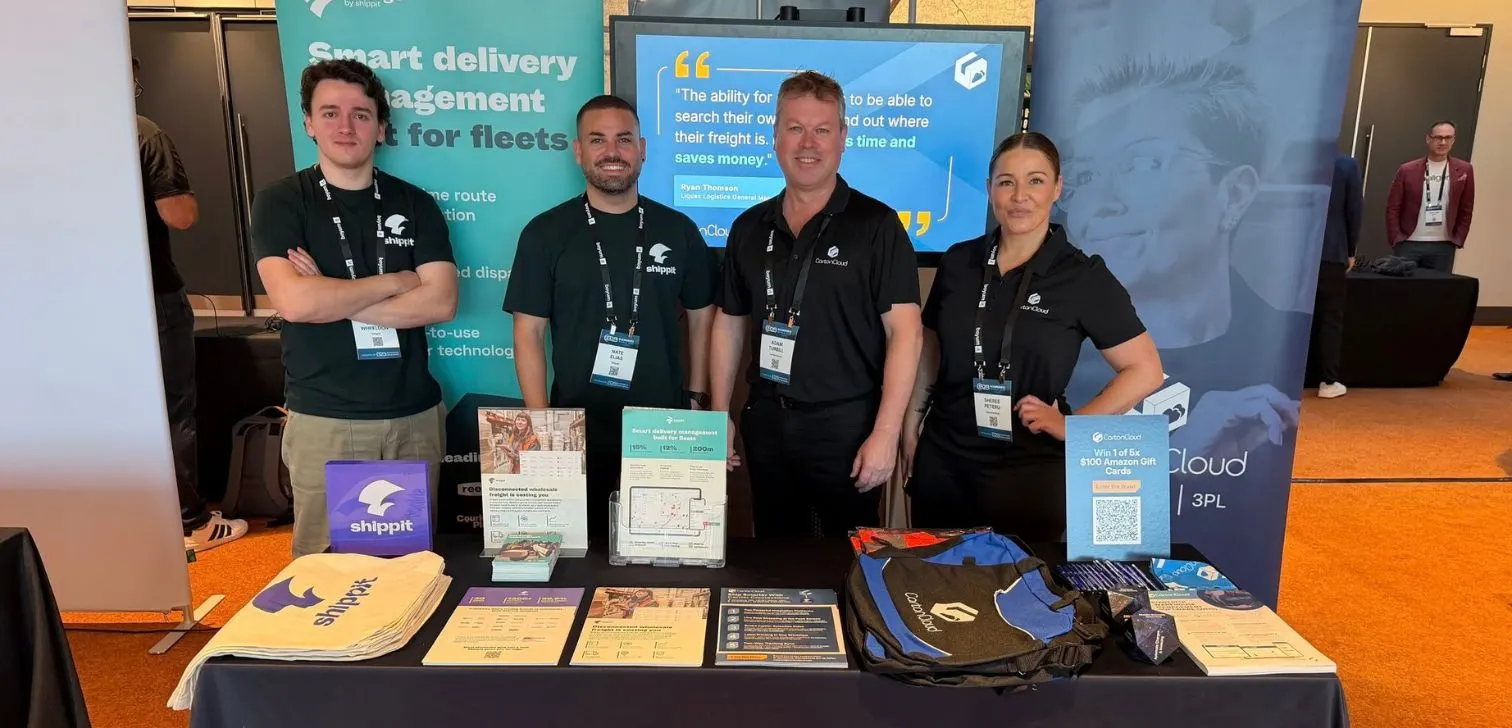
What We Heard at B2B World APAC: Large Brands Want Delivery Visibility, Not Just Warehouse Visibility
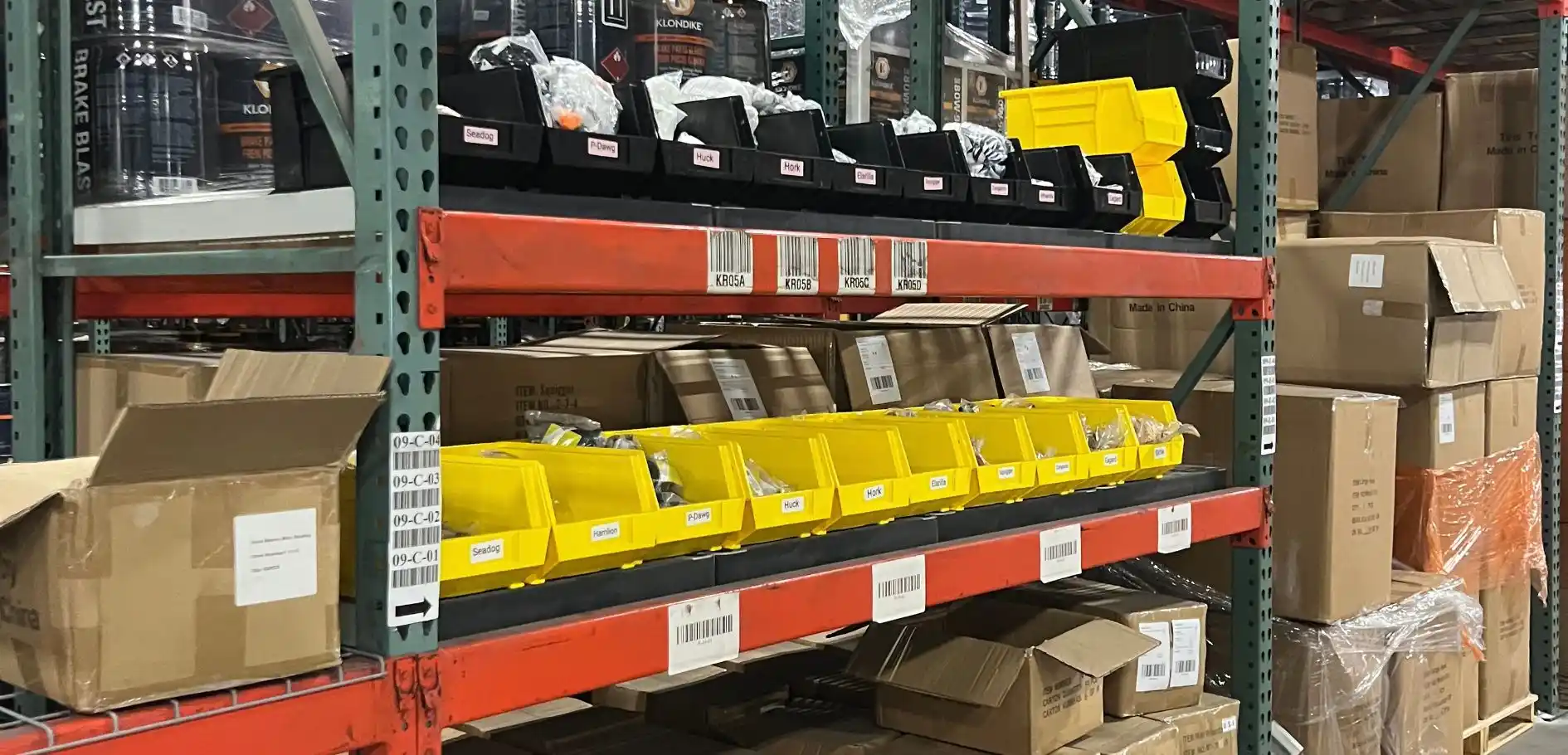
The Fastest WMS to Implement for E-Commerce Fulfillment 3PLs in the USA

This Week in Logistics: A Cost Rule Peak — Canada's Tariffs Go Live, FedEx Guarantees Your Duties, and Peak Season Surcharges Land
What's the Best WMS for Small 3PLs That Need an Easy Setup?

CartonCloud vs Extensiv: Which Platform Delivers More for 3PLs?

Get a Free, Honest Read on Your Operation, in About Two Minutes

CartonCloud’s Commitment to Security: SOC 2 Type 2 Audit Complete

How to Implement a WMS in Your Small 3PL Business: A Practical Guide
.webp)
This Week in Logistics: Multiple Warehouses, Multiple States, One Standard — How HD Warehousing Does It, With Special Guest Chad Hildebrandt, Owner & COO

August 2026: New Feature Round-Up
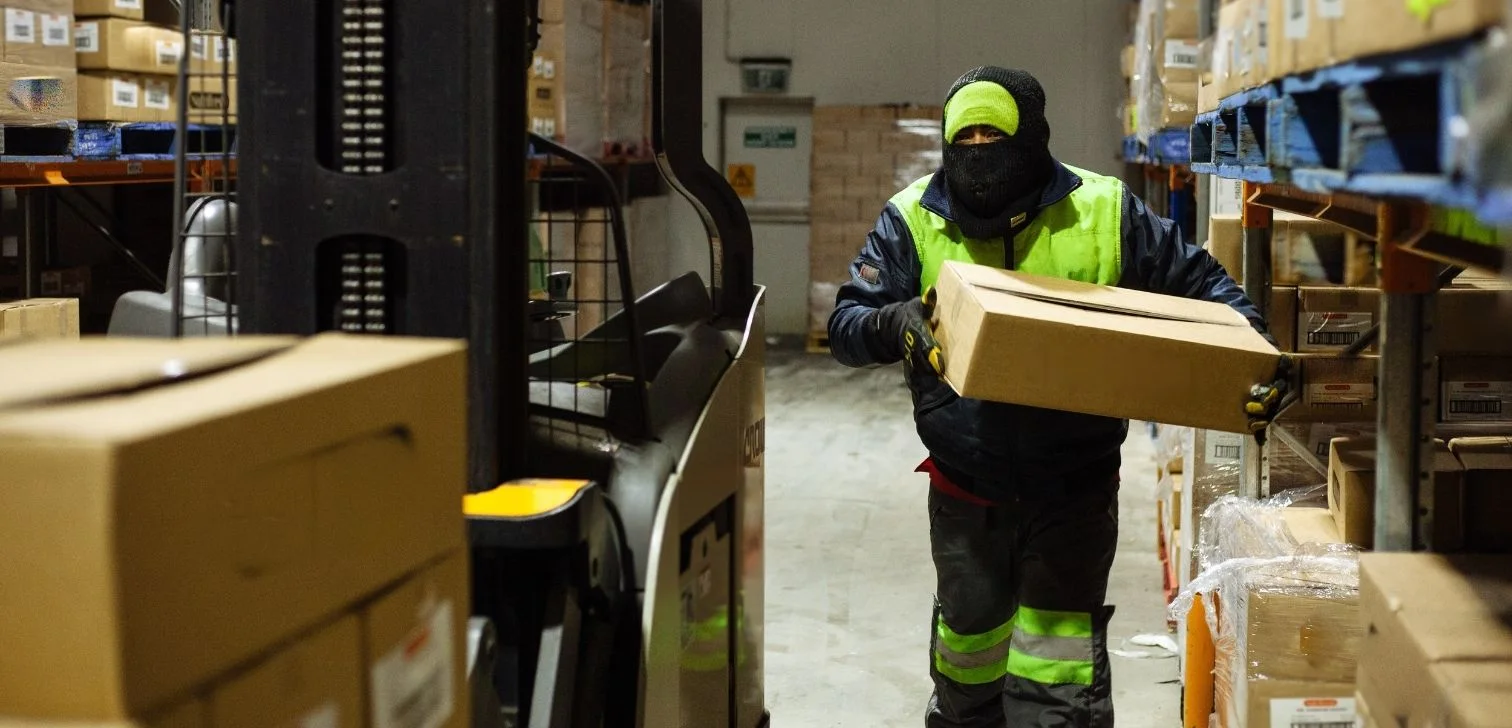
Warehouse Software for Cold Storage, Food, and Temperature-Controlled Logistics
This Week in Logistics: Season 2 Returns — US-Canada Tariffs, Oil Volatility, and Panama Canal Cuts All at Once
.webp)
How Do You Know You've Outgrown Basic Warehouse Systems? 7 Signs for Growing US 3PLs