5 Signs Your 3PL Needs a Warehouse Management System
Tightening margins, missed invoices, and lost stock are the clearest signs a growing 3PL has outgrown its current system. Here are the five warning signs to watch for, and how a warehouse management system fixes each one.
Published:
October 14, 2026
TABLE OF CONTENTS
There are some common signals that every growing 3PL eventually experiences — missed charges, lost stock, paper PODs that go missing — that quietly impact your bottom line. If any of these sound familiar, it's a sign your operation needs a warehouse management system.
— TL;DR — The short version
Five signs your 3PL needs a WMS:
- Tightening margins: You're moving more volume, but your bottom-line profitability isn't matching the extra effort.
- Missed invoice charges: Things such as ad-hoc jobs get done on the floor, but never make it to a bill.
- Lost or misplaced stock: Your stock count in your spreadsheet does not match the count on the warehouse floor.
- Manual data entry: Your admin staff are losing hours every day manually entering orders and invoices between systems.
- Lost paperwork: Lost paper PODs and delayed consignment notes are keeping you from sending out invoices and getting paid on time.
I'm Elyse Ingham, Product and Lifecycle Marketing Manager at CartonCloud. In my work helping operators adopt the system day to day, I keep seeing the same early warning signs surface in growing 3PLs — long before the business admits it's outgrown its system. Here are the five I hear about most often, and exactly why they're all fixable with the right system in place.
Sign 1: Your Margins Are Tightening — Even as Revenue Grows
This is the classic telltale sign (and we've seen it happen too often) — when your costs are growing faster than your revenue. It's a frustrating spot to be in because on paper, you're busier than ever, but your bank account isn't reflecting the hard work.
Our team frequently visits our customers in their warehouses and depots to see their operations in action, and see how we can help to streamline every inch of their workflows. When we shadow operators on the floor, we see them doing massive amounts of complex, high-touch work — like an unbilled container de-stuff, a forgotten pallet-wrap fee, or navigating a legacy rate card that hasn’t been updated for a client who suddenly shifted from full-pallet storage to intense pick-and-pack.
The problem: When you're running a manual system, you might be tracking the inventory just fine, but you have no visibility over how much that extra physical labour is actually draining your profits across thousands of transactions until it's too late.
The solution? A warehouse management system bridges the gap between the physical effort on the floor and your finances. It tracks every single action — labour, storage, handling — and instantly creates a billable charge for it. Because charges are calculated automatically against each client's rate card the second the activity happens, you stop estimating your profitability at the end of the month and start managing it in real time with actual data.
B2C Logistics described the shift for their 3PL after implementing CartonCloud’s powerful WMS software:
"We've turned an unprofitable operation into a profitable one, and we've probably had a reduction of four full-time equivalents in terms of headcount. It's reduced our overhead by as much as 20% and massively improved our accuracy — it's been a massive win for us." — Bruce Walkley, General Manager, B2C Logistics.
Sign 2: You're Regularly Missing Charges on Invoices
While Sign 1 is about not pricing your work correctly, Sign 2 is a completely different beast: this is about the physical vulnerability of paper. If your Friday afternoon billing process relies on chasing down physical pick tickets, scrawled notepad entries, or hoping someone remembers the three hours of cross-docking you did on Wednesday, you are actively leaking cash.
The problem: Paper-based billing means charges only get invoiced if someone records them, files them, and remembers to include them at month end. Ad-hoc services, after-hours handling, extra pallet movements — these are exactly the kinds of charges that fall through the cracks in manual systems.
The solution: Here's how a WMS fixes this end to end. Automated invoicing captures every warehouse event as it happens — triggered by actual actions on the floor. When a picker scans a barcode or an operator inputs a container receipt via the mobile app, the WMS instantly logs that activity against the client's rate card. Once a billing period closes, those charges compile into a complete invoice automatically — which then flows directly into your accounting software (Xero, MYOB, QuickBooks) without anyone having to export, reformat, or re-key anything. Your accountant sees accurate, itemised invoices. Your clients get billed on time. And nothing depends on a piece of paper making it back to the office.
Liquex Logistics described the reality before they switched:
"If those pick tickets don't make it back to the office, you don't charge your client — so you're running the risk of not getting all the revenue that you've physically done." After implementing CartonCloud, the turnaround was clear: "We're saving between 40 and 60 hours a week on admin, but we're doing 30 to 50% more work." — Ryan Thomson, Operations Manager, Liquex Logistics.
Sign 3: Stock Is Going Missing Between Receiving + Dispatch
The next signal happens more commonly than you think, and it’s what I like to call the “phantom stock” phone call. It’s that moment when you’re on the phone with a client arranging an urgent order and your spreadsheet says you have 10 pallets of product good to go, but your picker is standing on the floor in front of an empty bay.
The problem: When you don’t have system constraints in place, stock management relies entirely on tribal knowledge and staff memory. I've often seen warehouses run on logic like: "Oh, John usually puts that client’s overflow stock over in Bay 4." But what happens when John is sick, or the warehouse gets busy, and a pallet gets dumped in a random bulk location?
The solution: A WMS with inventory control tracks every movement — receiving, put-away, pick, pack, dispatch — via barcode scan, updating location records in real time. For operations handling date-sensitive goods, lot, batch, serial, and expiry tracking adds another layer — the system directs the right product to the right order based on expiry date, automatically. Stocktakes can be completed without halting operations, and clients can view their own stock levels on the customer portal without calling the warehouse.
Sign 4: Your Team Is Drowning in Manual Data Entry
If your staff spend significant time each day keying orders into spreadsheets, re-entering data from one system into another, or building invoices by hand — that is another signal that your operation needs a WMS.
The problem: In my experience, every single manual keystroke is a massive liability. A tiny typo on a delivery address or a mismatched SKU code doesn’t just stay in the office; it causes a massive operational chain reaction on the floor. Before you know it, you’ve got a wrong delivery out on a truck, an unhappy customer on the phone, and a costly, completely avoidable return journey to sort out.
The solution: CartonCloud removes manual data entry at the source by reading existing data directly — from email attachments, FTP, and API, and through direct integrations to e-commerce platforms, accounting systems, ERPs, and carrier platforms. Orders can flow in from online storefronts such as Shopify to your pickers’ mobile screens, ready for them to pick, pack and ship. The moment the job is done, real-time updates send back to the online store and your customer. From there, invoices flow directly through to your accounting system, meaning your admin work is essentially done for the day without lifting a finger.
Sign 5: Your Drivers Are Losing Paperwork — and It's Costing You
If you also take care of your own transport, paper is the single biggest source of lost revenue.
The problem: When a driver loses a physical POD, you don't just lose a piece of paper; you lose your legal proof of delivery. As Tony, our CartonCloud Customer Success Manager, always likes to say: “No POD, no payment.”
The solution: Even when everything goes right, those consignment notes often get left sitting in the truck cab. Your admin team can't even start the reconciliation process until the drivers return to base — sometimes hours or days later. And when the paperwork finally arrives on a desk? Someone still has to manually type it all out into your system before an invoice can even go out the door.
CartonCloud's electronic Proof of Delivery removes that bottleneck by bridging the gap between your delivery drivers and final invoice. Drivers capture signatures, photos, and timestamps on their mobile device. The ePOD uploads the moment the delivery is completed and is automatically sent to the client — with no action required from the head office. Drivers can also view and reorder their runs, navigate to destinations, and group multiple jobs for a single signature capture, all from the app.
Refrigafreighters describes what that meant for their business:
"From what would have been PODs flying out the window to lost bits of paper, it's all captured in the back end. What that means in our business is a reduction of, I'd probably say, 50% in our admin costs." — Paul Farnan, Operations Manager, Refrigafreighters.
For more on going paperless, see Three Reasons To Switch Your Warehouse To A Paperless WMS.
Recognize More Than One of These Signs?
If any of these feel familiar, it's worth taking a closer look at what a WMS could do for your operation.
If you'd like to see how it works for an operation like yours, book a free demo with our team.
Updated October 2026.
FAQ
Q: What are the signs a 3PL needs a warehouse management system?
A: The clearest signs are tightening margins despite revenue growth, invoices regularly missing charges, stock going missing between receiving and dispatch, staff spending hours on manual data entry, and drivers losing paper PODs. Any two or three of these together typically signal that the operation has outgrown its current system.
Q: How does a WMS stop a 3PL from missing invoice charges?
A: A WMS captures every chargeable warehouse event automatically — storage, handling, pick and pack, ad-hoc services — and calculates charges against each client's rate card in real time. Nothing depends on paper pick tickets returning to the office, so charges can't slip through. Invoices generate from actual activity data, not from memory.
Q: Why does stock go missing in a warehouse without a WMS?
A: Without a WMS, stock location relies on staff memory and paper records. In high-throughput operations with multiple clients, this breaks down quickly — pallets get misallocated, batches get mixed, and nobody knows where to look. A WMS tracks every movement via barcode scan, so location records update in real time with every action.
Q: How much admin time can a 3PL save by switching to a WMS?
A: Operators moving from paper-based systems consistently report significant reductions in admin time after switching to a WMS. Liquex Logistics saved between 40 and 60 hours per week on admin after implementing CartonCloud — while simultaneously handling 30 to 50% more volume.
Q: What is the difference between a WMS and a TMS for 3PLs?
A: A WMS manages warehouse operations — inventory, picking, storage, and billing. A TMS handles transport and delivery, including route planning, driver apps, and electronic proof of delivery. CartonCloud combines both in a single platform, so 3PLs with both warehousing and transport operations manage everything — from stock receipt to final delivery — without switching between systems.
Explore the resource hub
Tips, tools, downloadable guides and stories from logistics teams who are working smarter.

How to Automate Warehouse Invoicing, Rate Cards, and Reporting
WMS vs TMS: What Growing 3PLs Actually Need
This Week In Logistics: When the System Says Forty and the Shelf Says Twelve — How to Close the Inventory Gap, With Special Guest Gaubrielle Pritchard, Director of Product and Customer Marketing, Cin7
.webp)
The CartonCloud Logistics Index 2026: See where your operation stands

Running WMS and TMS Across Multiple Sites in Australia: The Questions We Answered at MegaTrans 2026

CartonCloud Feature Spotlight: July–September 2026
Deposco Alternatives: What Growing 3PLs Should Consider
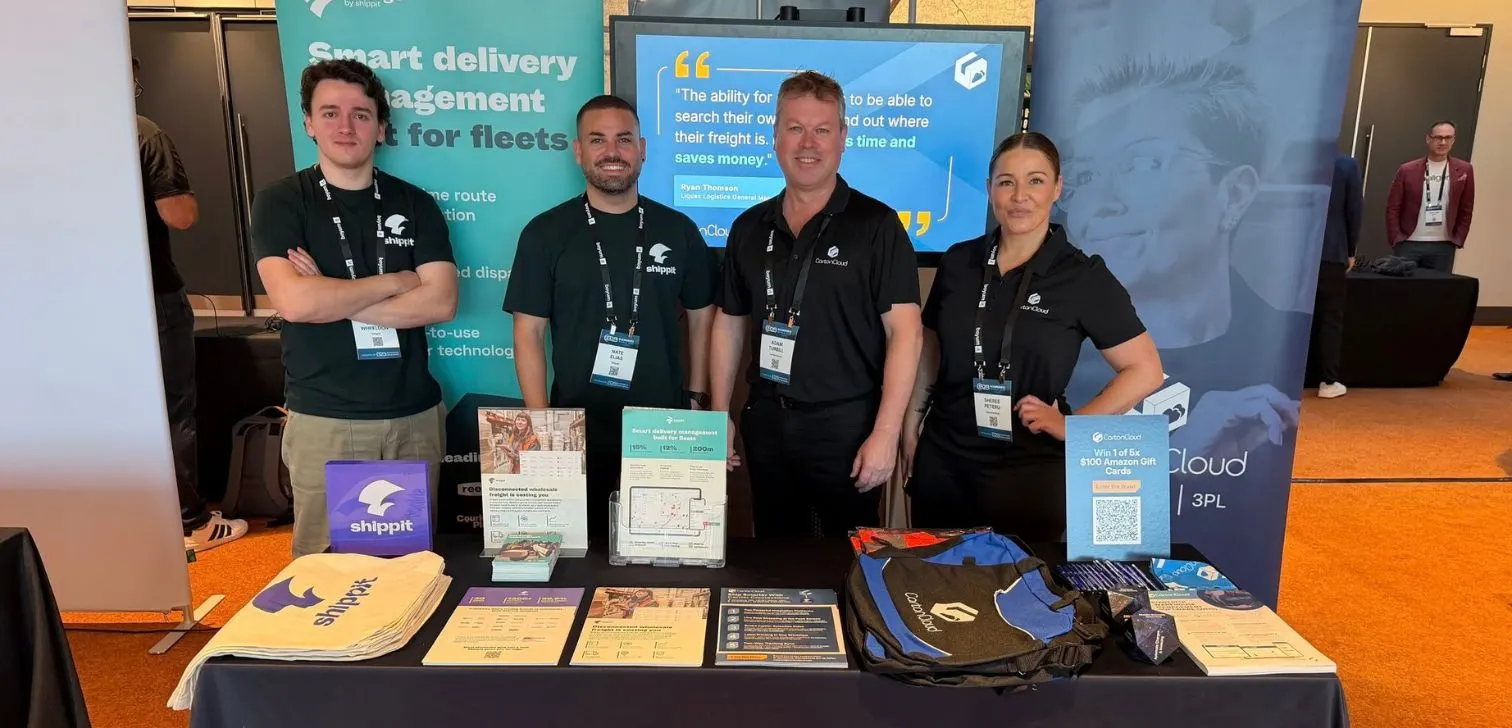
What We Heard at B2B World APAC: Large Brands Want Delivery Visibility, Not Just Warehouse Visibility
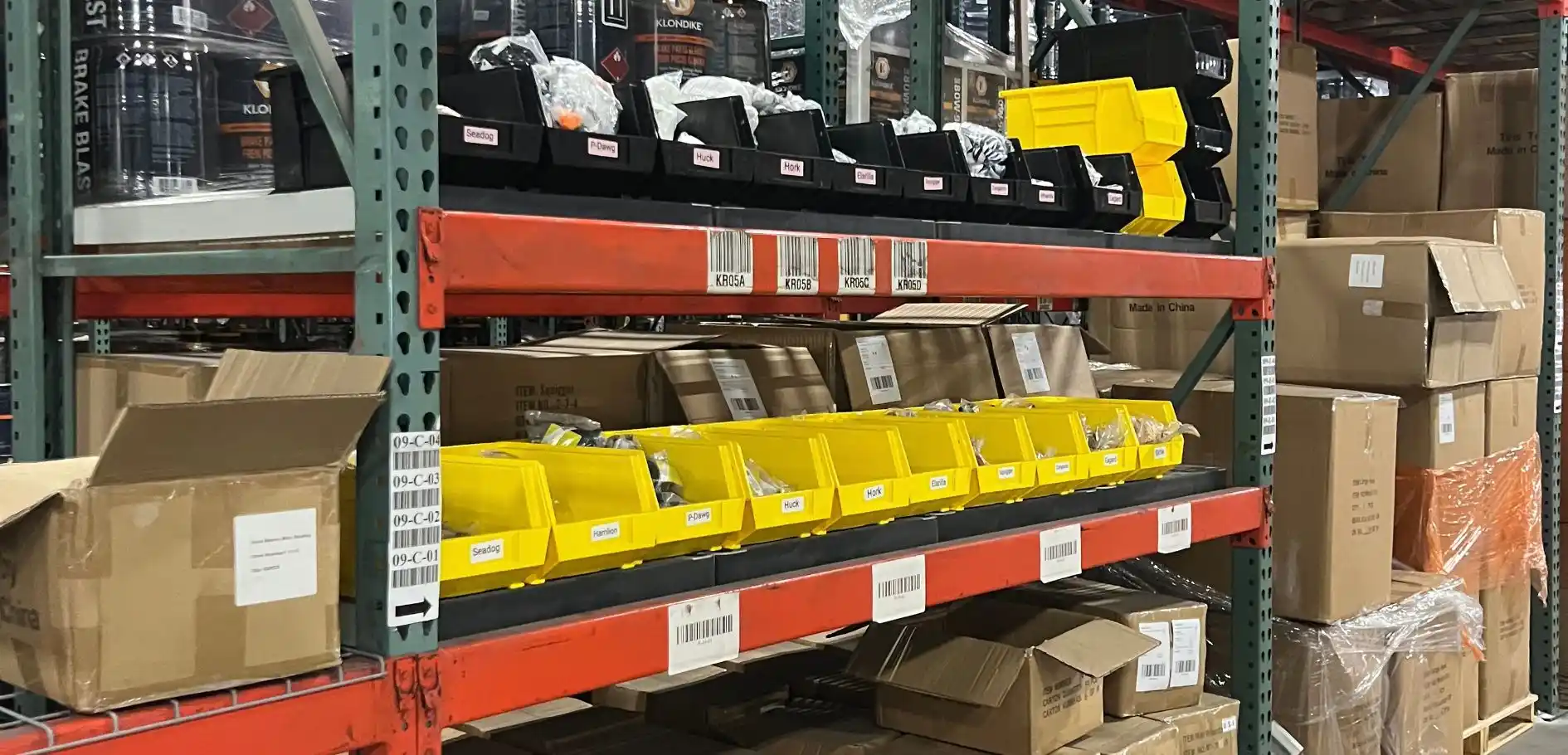
The Fastest WMS to Implement for E-Commerce Fulfillment 3PLs in the USA

This Week in Logistics: A Cost Rule Peak — Canada's Tariffs Go Live, FedEx Guarantees Your Duties, and Peak Season Surcharges Land
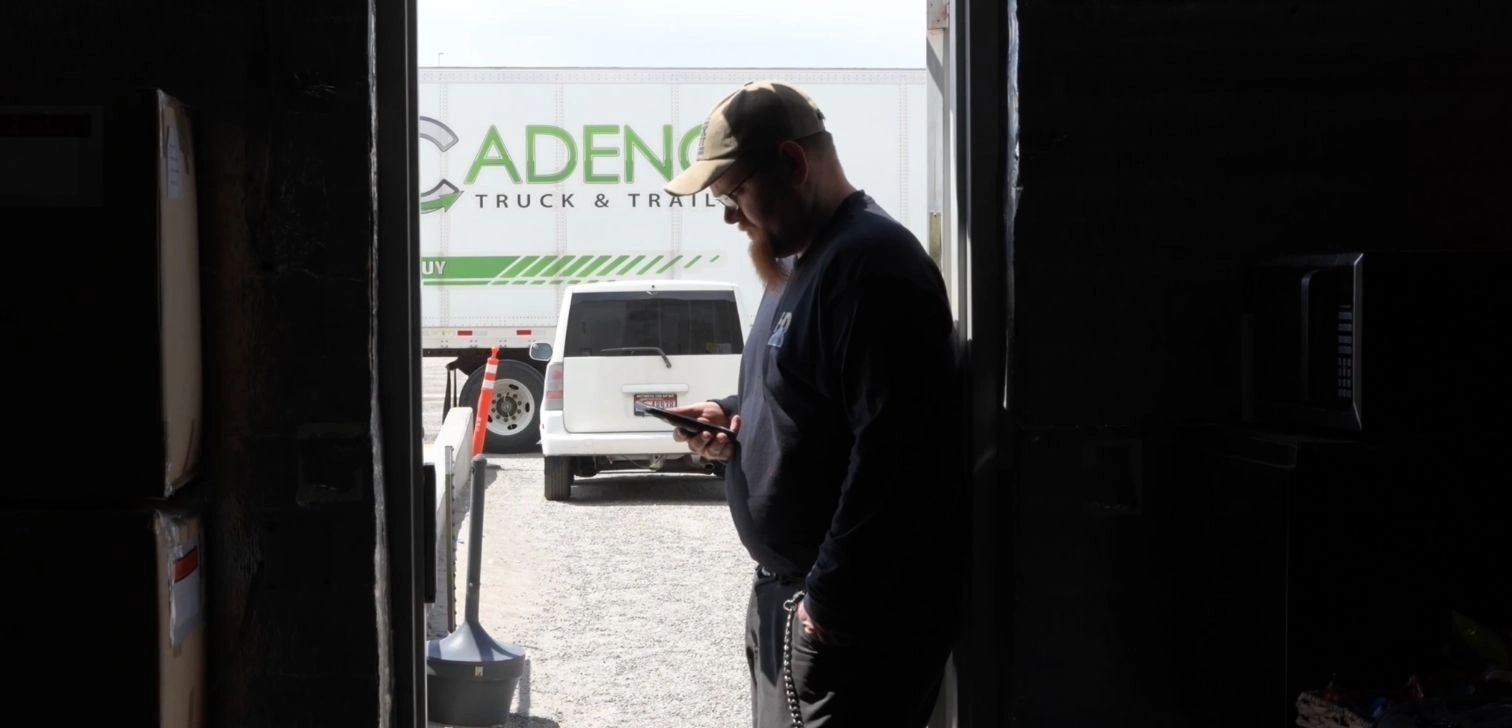
What's the Best WMS for Small 3PLs That Need an Easy Setup?

CartonCloud vs Extensiv: Which Platform Delivers More for 3PLs?

Get a Free, Honest Read on Your Operation, in About Two Minutes

CartonCloud’s Commitment to Security: SOC 2 Type 2 Audit Complete

How to Implement a WMS in Your Small 3PL Business: A Practical Guide
.webp)
This Week in Logistics: Multiple Warehouses, Multiple States, One Standard — How HD Warehousing Does It, With Special Guest Chad Hildebrandt, Owner & COO
August 2026: New Feature Round-Up
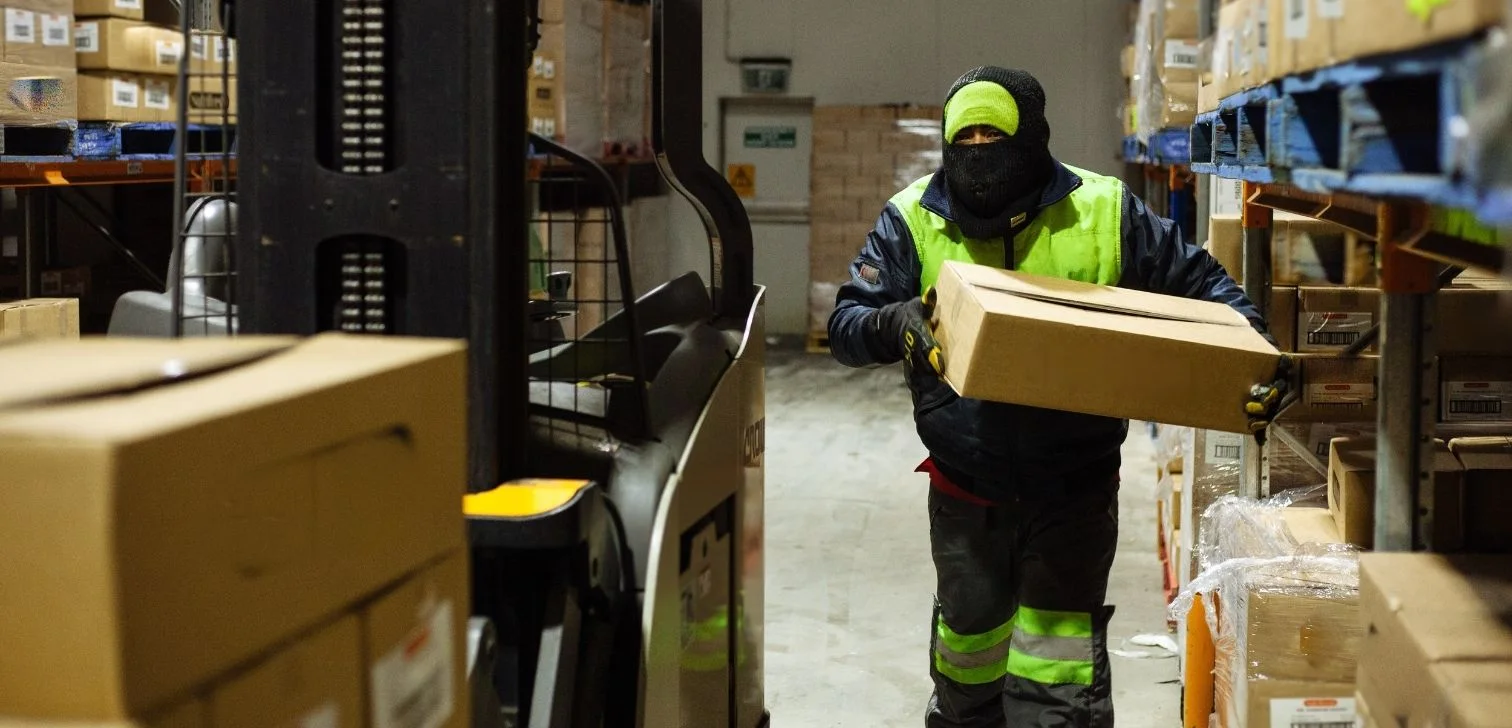
Warehouse Software for Cold Storage, Food, and Temperature-Controlled Logistics
This Week in Logistics: Season 2 Returns — US-Canada Tariffs, Oil Volatility, and Panama Canal Cuts All at Once
.webp)
How Do You Know You've Outgrown Basic Warehouse Systems? 7 Signs for Growing US 3PLs