What We Heard at B2B World APAC: Large Brands Want Delivery Visibility, Not Just Warehouse Visibility
At B2B World APAC in Melbourne, enterprise brands running their own logistics kept raising the same gap: their ERP handles the sale but leaves the customer guessing on delivery. Here's how a TMS layer closes it, without replacing a thing.
Published:
September 30, 2026
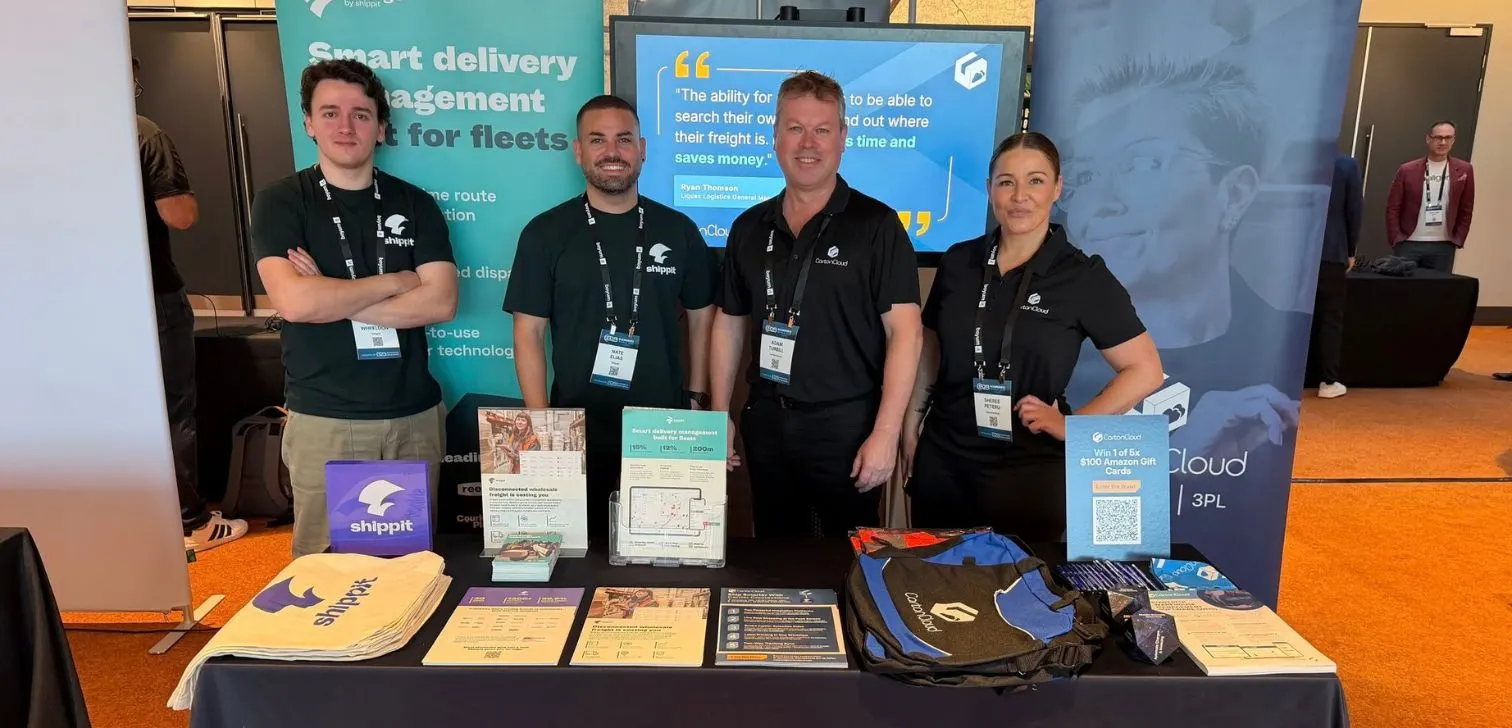
TABLE OF CONTENTS
"What actually happens after the truck leaves the dock?"
That was the hands-down question of the week back at B2B World APAC in Melbourne. Whether managing food and beverage or household consumer goods, in-house logistics teams can all hit the exact same wall: their ERP handles the sale, but leaves the customer guessing on delivery, and their own account managers and sales team fielding the calls to find out. Adding a TMS like CartonCloud alongside your existing ERP system closes that gap with proactive tracking updates, self-serve status, and digital proof of delivery, so customers get an answer without anyone having to pick up the phone.
- The Operational Gap: Enterprise FMCG and consumer brands often hit the exact same post-despatch blind spot because their ERP is built for warehouse stock control, not final-mile delivery.
- The Customer Experience Shift: Customers don't just want to know where an order is, they want the option to check it themselves at anytime.
- The Visibility Fix: An integrated TMS layer like CartonCloud delivers end-to-end delivery visibility through live GPS driver tracking, automated customer ETA notifications, and digital proof of delivery (ePOD) captured instantly on arrival.
- Plug + Play Tech: CartonCloud TMS integrates with your existing ERP stack (including SAP + Oracle), ensuring your core ERP remains your central system of record, while CartonCloud acts as the final-mile execution engine.
- The ERP + TMS Advantage: Gives in-house brand logistics teams, as well as account and sales staff fielding customer calls, the ability to deliver a modern, 3PL-grade tracking experience to their end customers, without adding operational complexity.
I'm Adam Turbill, Senior Sales Manager APAC here at CartonCloud. Because I spend most of my days working alongside 3PLs, hearing this exact same delivery challenge from enterprise brand teams was a real eye-opener. A few weeks ago I got the chance to head over to Melbourne for B2B World APAC with the CartonCloud team. It was a fantastic event, with great coffee, lively crowds, and plenty of insightful conversations.
Events like these are a fantastic pulse check on what's actually happening on the logistics floor, where the wins are, and where the bottlenecks are quietly building. For in-house brand teams in particular, one big question kept surfacing: what actually happens to visibility once stock heads out the warehouse door?
Here's a look at how connecting a TMS layer like CartonCloud alongside your existing ERP gives both your team and your end customers the full-picture visibility they've been asking for.
A quick recap from the floor
B2B World APAC brought a great crowd through our booth: logistics, retail, and supply chain people, comparing notes on freight costs, staffing pressure, and the push to get workflows off spreadsheets and paper that are still running big parts of the industry.
A conversation worth noting came from brands who run their own warehousing and distribution: large, well-known FMCG and consumer-goods names, with operations and supply chain leads circling back to the same theme again and again.
The question that kept coming up
How do you give customers the kind of proactive, self-serve delivery experience they're used to getting everywhere else, when your ERP's job stops the moment an order ships?
For these in-house teams, a global ERP like SAP or Oracle sits at the core of the operation, handling orders, stock, and invoicing. What it doesn't cover is the gap that opens up the moment an order ships: there's no easy way to tell their own customers where it actually is, or when it's landing, once it's out the door.
And it's not only the customer left in the dark. Without that visibility, it's the brand's own account managers and sales team who end up fielding the "where's my order" calls, chasing the warehouse or transport team for an answer they don't have either.
This isn't unique to what came up at B2B World APAC either. On an episode of CartonCloud's This Week in Logistics podcast, CartonCloud CEO Shaun Hagen and Shippit Co-Founder Rob Hango-Zada talked through the same shift from the freight side: tracking expectations set by fast, consumer-style deliveries are now showing up in bulk and pallet freight too, not just direct-to-consumer parcels.
"We're also seeing that e-commerce expectation bleed into B2B. If your expectations are set by buying a $50 t-shirt, when you buy a $5,000 pallet of goods, you expect something comparable in terms of visibility and delivery timeframes." — Shaun Hagen, CartonCloud CEO.
For in-house teams shipping FMCG or bulk consumer goods, that's the exact gap in this section: the same tracking standard people expect for a parcel is now the standard their own customers expect for a pallet. That standard isn't just about knowing where the pallet physically is. It's the expectation of a running update through the journey, and the ability to go check it themselves, rather than waiting on a phone call to get an answer.
Why this is harder than it sounds for in-house teams
An ERP is built to manage the transaction: the order, the stock movement, the invoice. It was never really built to manage the experience for the person waiting on the other end. For a large in-house team, that creates a specific bind:
- The ERP owns the record. It knows what shipped and when, but not where it actually is right now.
- The customer wants an answer today. A static "3-5 business days" line doesn't hold up against the real-time tracking expectations set everywhere else.
- It's not only a customer-facing problem. Every unanswered "where's my order" question gets escalated somewhere internally, usually to an account manager or salesperson who has no more visibility than the customer does.
- Building it in-house is a project, not a feature. Bolting a customer-communications layer onto an existing ERP usually means custom development, competing for the same global IT resourcing as everything else on the roadmap.
What dynamic ETAs + ePOD actually look like in practice
Now when it comes to real-time tracking and delivery visibility, the customer experience plays a big role here. Think about how food delivery apps keep users informed through several staged updates: order confirmed, order dispatched, live tracking map is shared, delivery is arriving in X minutes.
The same idea holds for B2B deliveries. Customers still expect to be told at each meaningful step, rather than having to ask or go looking for the answer themselves.
Closing this gap doesn't require scrapping your existing tech stack. Adding a TMS like CartonCloud is more of a layer that sits on top of what's already running, connecting to the ERP rather than replacing it, so your team gets the missing piece without a system overhaul:
- Dynamic ETAs: Real-time driver tracking feeds automated, proactive ETA updates straight to the end customer from pickup through to delivery, without a separate system bolted onto the ERP.
- Electronic proof of delivery: Signatures, photos, timestamps, and GPS location captured at the point of delivery, closing the gap between "shipped" and "actually delivered."
- One source of truth for the delivery leg: The ERP still owns inventory and transactions. The TMS owns everything from despatch to signed proof.
- Self-serve status updates: Customers can check delivery status themselves 24/7 through a portal instead of ringing the warehouse, the driver, or an account manager for an update.
Running a dedicated TMS alongside an ERP like SAP or Oracle gives your in-house team the exact same delivery-side visibility a 3PL offers its clients, just focused on your own end customers instead. With automated route planning, live driver tracking, real-time ETA alerts, and paperless ePOD, right out of the box, you can transform the final mile into a major competitive advantage. It saves your team, and the account managers and salespeople who'd otherwise be fielding the calls, hours of manual coordination, while keeping your buyers informed every step of the way.
We've seen this play out with existing customers running CartonCloud's TMS.
"Because CartonCloud offers that sign on glass feature and the GPS, we can actually use it to track where our trucks are at any one time. And then we can communicate to a customer to say whether we're running on time [and] tell them where their product is." — Kevin Forte, General Manager Operations, AustraCold, Australia.
Read more in AustraCold's transport visibility story.
For a deeper look at what this covers on the transport side, see Three Benefits of Improved Visibility Through Your TMS and Are You Unlocking the Full Potential of Your TMS Software?
If this sounds like a gap in your own operation, our in-house logistics team solution is worth a look, or book a free demo and we can talk through what it'd actually look like for your setup.
FAQ
Q: How can large in-house logistics teams give customers dynamic delivery ETAs?
A: Large in-house logistics teams give customers dynamic ETAs by feeding real-time driver tracking data into automated notifications sent straight to the end customer. This runs through a TMS layer rather than a separate system bolted onto the existing ERP.
Q: What's the difference between warehouse visibility and delivery visibility for a 1PL?
A: Warehouse visibility covers stock and fulfilment inside the four walls. Delivery visibility extends that to the end customer, covering real-time tracking, ETAs, and proof of delivery once goods leave the building and head to their destination.
Q: Can a TMS work alongside an existing ERP like SAP or Oracle?
A: Yes, a TMS layer complements an enterprise ERP rather than replacing it. It handles route planning, driver tracking, and ePOD, while the ERP keeps the transaction and inventory system of record intact.
Q: Why do large brands need electronic proof of delivery if they already have an ERP?
A: Large brands need ePOD because ERPs typically don't capture delivery-moment data like signatures, photos, timestamps, or GPS location. Electronic proof of delivery closes the loop between an order marked "shipped" and one confirmed as delivered.
Q: Is dynamic ETA messaging only useful for 3PLs, or does it help in-house teams too?
A: Dynamic ETA messaging helps any team delivering to end customers, not just 3PLs. In-house brand logistics teams get the same customer-experience benefit from real-time ETAs as a 3PL gives its own clients.
Explore the resource hub
Tips, tools, downloadable guides and stories from logistics teams who are working smarter.
The Fastest WMS to Implement for E-Commerce Fulfillment 3PLs in the USA
This Week in Logistics: A Cost Rule Peak — Canada's Tariffs Go Live, FedEx Guarantees Your Duties, and Peak Season Surcharges Land
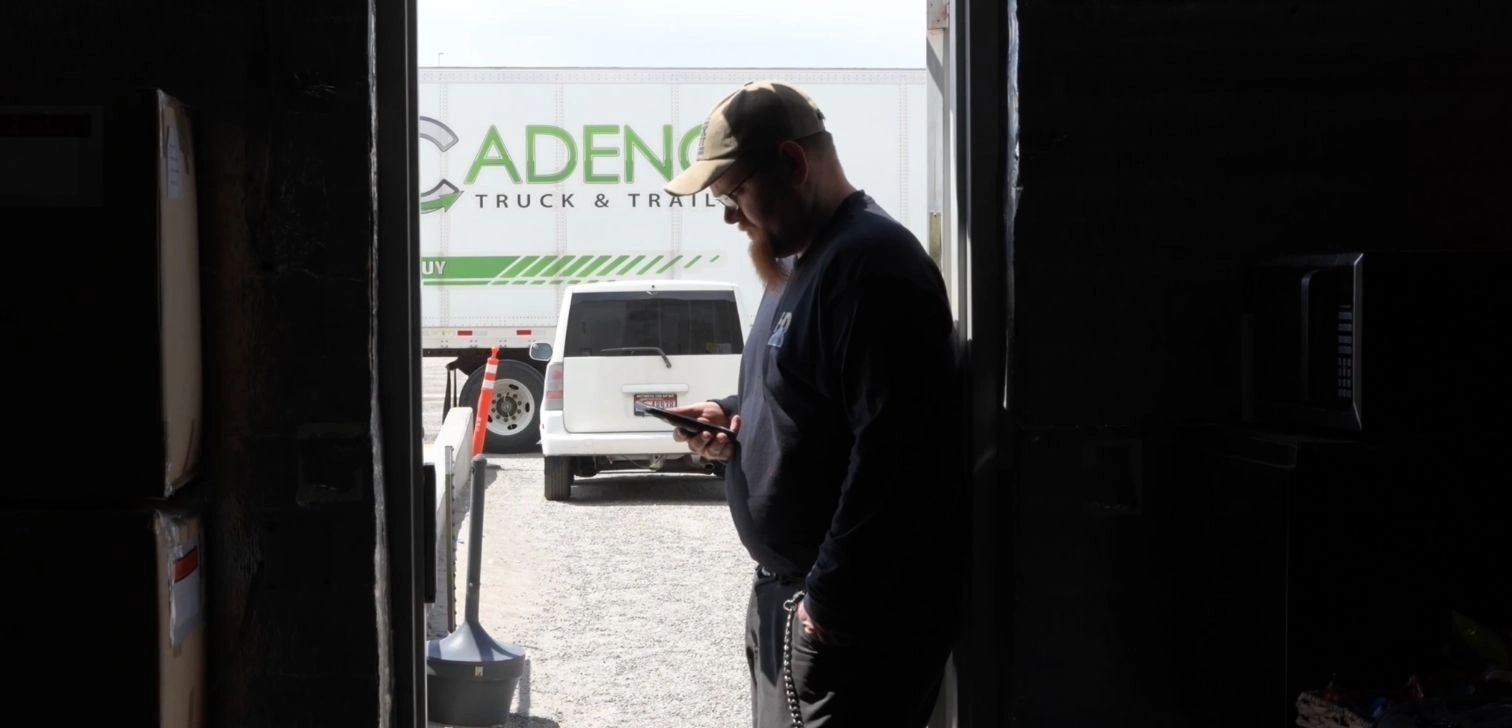
What's the Best WMS for Small 3PLs That Need an Easy Setup?
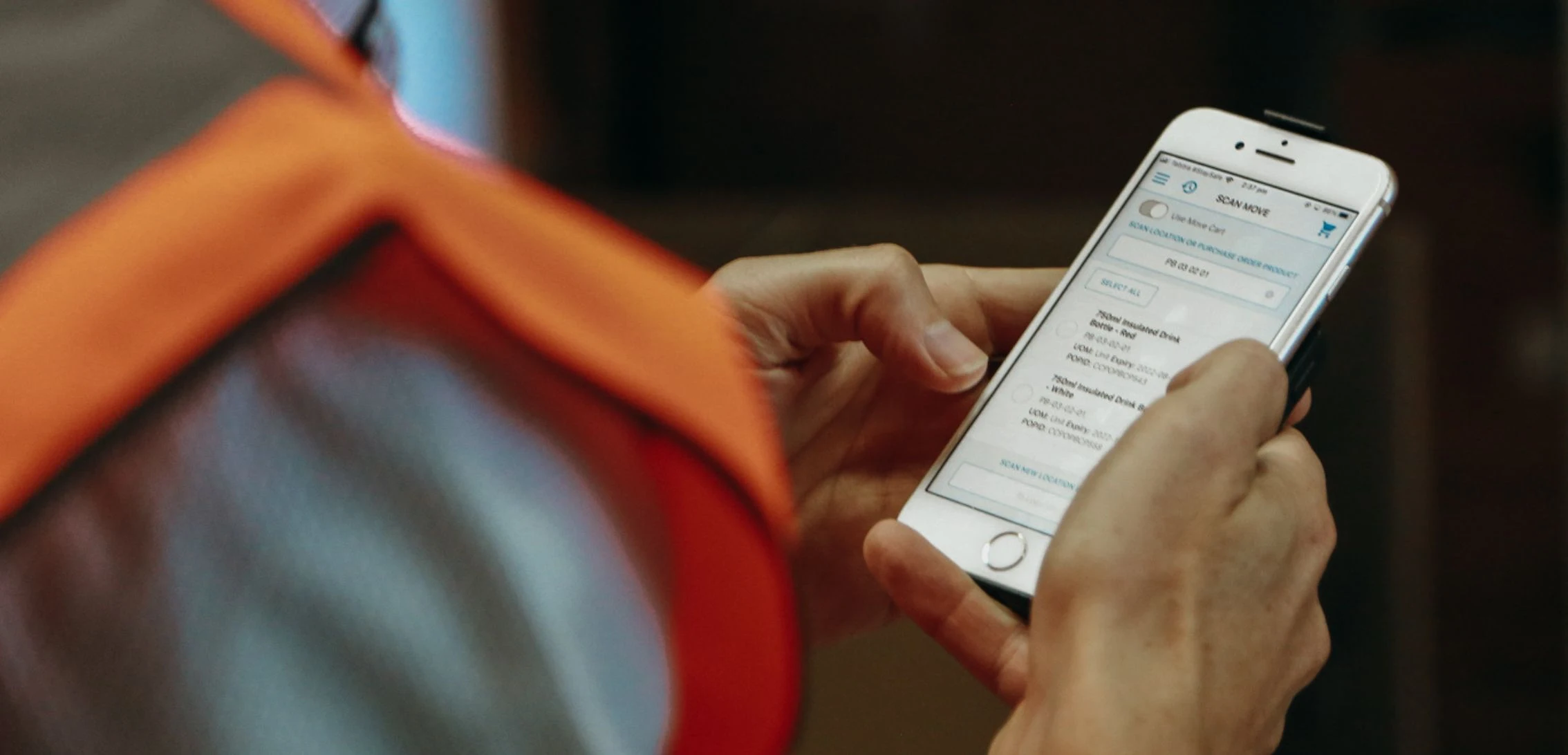
CartonCloud vs Extensiv: Which Platform Delivers More for 3PLs?
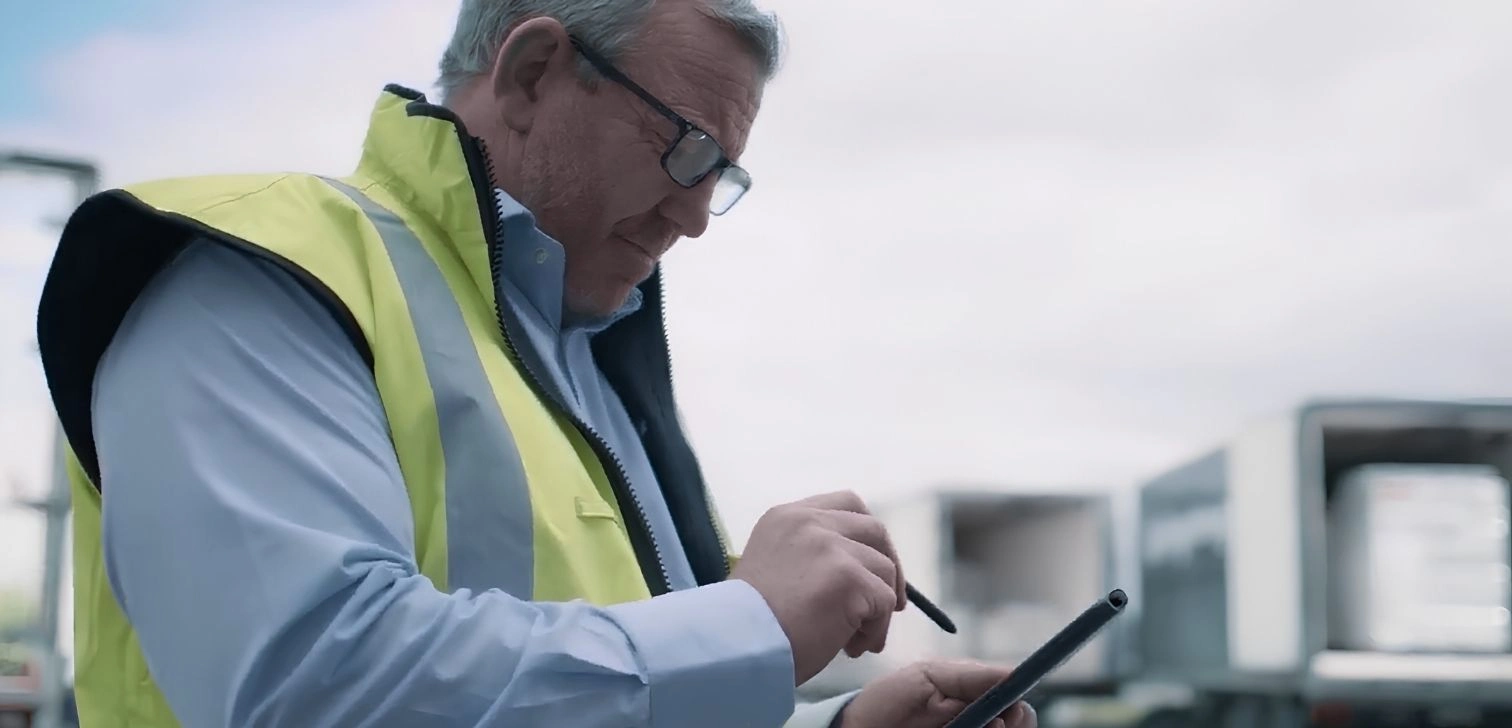
Get a Free, Honest Read on Your Operation, in About Two Minutes

CartonCloud’s Commitment to Security: SOC 2 Type 2 Audit Complete
How to Implement a WMS in Your Small 3PL Business: A Practical Guide
.webp)
This Week in Logistics: Multiple Warehouses, Multiple States, One Standard — How HD Warehousing Does It, With Special Guest Chad Hildebrandt, Owner & COO
August 2026: New Feature Round-Up
Warehouse Software for Cold Storage, Food, and Temperature-Controlled Logistics
This Week in Logistics: Season 2 Returns — US-Canada Tariffs, Oil Volatility, and Panama Canal Cuts All at Once
.webp)
How Do You Know You've Outgrown Basic Warehouse Systems? 7 Signs for Growing US 3PLs
.webp)
CartonCloud Named a 2026 "Great Supply Chain Partner" by SupplyChainBrain
.webp)
Dock Management: How We Built Visibility Into Every Delivery
.webp)
July 2026 — New Feature Round-up

What US 3PL Operators Really Say About Switching From Slow, Complex WMS Alternatives
CartonCloud vs Competitors: An Honest Comparison from an Implementation Specialist
.webp)
Running Multiple Sites from One WMS System: How HD Warehousing Scaled Without the Complexity
.webp)
This Week in Logistics: The Operator Playbook
Deposco Alternatives: What Growing 3PLs Should Consider